
Best Air Rotary Union for Reliable Performance and Durability
2026-07-31
In industries where precision and longevity are non-negotiable, the right air rotary union can make or break your operation. Yet, with so many options claiming reliability, how do you spot the one that truly delivers? Enter MOFLON—a brand that has quietly set the standard for performance and durability. This isn't just another rotary union; it's a shift in how you think about uptime and maintenance. Let’s explore what makes it the best choice when failure isn't an option.
What Sets a High-Quality Rotary Union Apart
The heartbeat of a standout rotary union lies in its materials and the precision of its manufacturing. It’s not just about picking stainless steel or brass; it’s about how those metals bond with engineered ceramics, tungsten carbide, or specialized polymers to create sealing surfaces that stay smooth under relentless friction. A smaller workshop might skip the cryogenic treatment or post-machining lapping that turns a good seal into one that has near-zero leakage after a million cycles. Those unseen steps—the micro-inch surface finishes, the hand-tuned spring loads—separate a union that merely spins from one that spins silently for years.
Beyond the build, the real differentiation comes from how the union manages the marriage of media and rotation. A high-end design doesn’t just tolerate a range of fluids or gases; it anticipates the chaos of mixed regimes—steam followed by cold water, abrasive slurries, or vacuum pulling on the same passage. The seal geometry is often asymmetrical, a carefully guarded house secret that uses fluid film dynamics to generate a lubricating barrier rather than relying solely on brute contact force. This means less wear when running dry, and a forgiveness that budget alternatives simply can’t afford. Units that pair multi-port manifolds with independent pressure zones for each medium aren’t just convenient; they prevent cross-contamination that could ruin a batch or corrode internal pathways.
The quietest mark of quality, however, is how the union ages. A premium rotary union is designed with service in mind—no special tools required, and common wear parts that can be swapped in minutes without pulling the entire machine apart. It’s not uncommon for the bearing assembly to be oil-lubricated and shielded so well that the recommended re-greasing interval stretches beyond many competing products’ entire lifetime. When you run your hand over the housing after a five-year shift and feel only a faint warmth, you’re experiencing the cumulative effect of precision clearances, balanced rotors, and thermal stability. That’s what turns a hidden component into the unsung hero of uptime.
Material Choices That Boost Lifespan
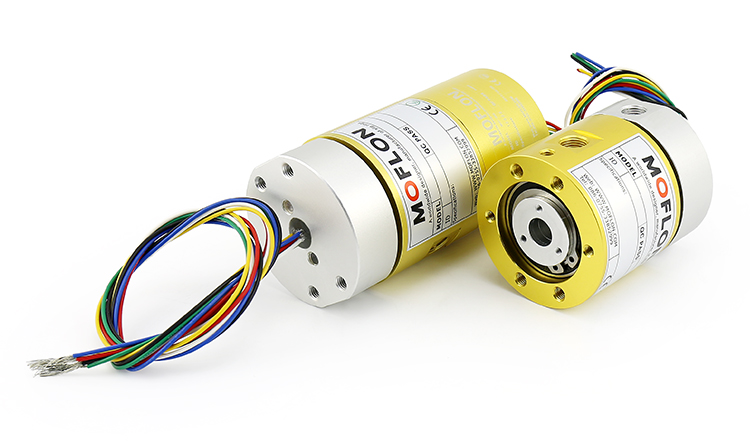
Selecting the right materials from the start can dramatically extend a product's usable life. For instance, switching from standard steel to weathering steel eliminates the need for protective coatings that eventually fail, exposing the underlying structure to corrosion. In outdoor furniture, opting for marine-grade stainless steel over coated mild steel means scratches and dings won't become starting points for rust. The initial material choice sets the foundation — a mistake here is often unrecoverable, requiring costly replacement down the line.
Common Failures and How to Prevent Them
Many equipment breakdowns stem from overlooked basics. A loose bolt, a clogged filter, or a worn belt might seem minor until they cascade into a major stoppage. Operators often miss these early warning signs simply because no one trained them to listen for abnormal sounds or to spot slight vibrations. The result is unplanned downtime that disrupts entire workflows.
Prevention starts with structured routines that are easy to follow. Instead of vague instructions, use visual checklists that guide staff through each inspection point. Pair these with simple logs where they can note small irregularities before they escalate. When maintenance tasks are broken into clear daily, weekly, and monthly steps, even a new team member can catch issues early.
Another layer of protection is building redundancy for the most fragile components. Keep critical spare parts on hand and rotate them regularly to avoid deterioration from long storage. Coupled with training that encourages problem-solving rather than just routine execution, you create a culture where failures become rare exceptions, not recurring headaches.
Installation Tips for Optimal Operation
Place the unit in a spot where air can circulate freely around it. Avoid tucking it into tight corners or pushing it flush against walls, as this can trap heat and force the system to work harder than it should. A little breathing room not only extends the life of internal components but also keeps energy consumption in check.
Double-check that all feet or mounting brackets are adjusted so the appliance sits level and stable. Even a slight tilt can cause uneven wear, vibrations, or annoying hums over time. Once it's positioned, take a moment to confirm that every cable, hose, or duct connection is snug and properly routed—loose links often lead to performance hiccups down the line.
Before relying on the unit for daily tasks, run a short test cycle after setup. This simple step helps catch any overlooked issues while everything is still fresh. A quick wipe-down of accessible surfaces is also wise, since manufacturing residue or dust from shipping can quietly affect efficiency during those first few runs.
Maintenance Practices That Actually Work
Most plant shutdowns aren’t caused by sudden, catastrophic failures—they’re the result of small, ignored warning signs that compound over time. A vibration here, a temperature spike there, and suddenly you’re looking at days of unplanned downtime. The trick is catching those whisper-quiet anomalies before they start shouting. Vibration analysis, for instance, isn’t just about checking a box—it’s about understanding the story your machinery tells through its operating patterns. When you train teams to listen to that story, you shift from reactive chaos to a rhythm of intentional, condition-based attention.
Preventive maintenance often fails because it becomes a rigid calendar of tasks disconnected from reality. Changing oil every 30 days because the manual says so might feel responsible, but it ignores how the equipment is actually performing. The smarter move? Combine usage data with operator insights. A press that runs light loads all month doesn’t need the same love as one running three shifts at max capacity. Pair that with a simple digital log—where operators note odd sounds or pressure drops—and you’ve got a living, breathing maintenance strategy that adapts instead of blindly following a schedule.
Spare parts management is the unsung villain in most maintenance stories. You’ve either got a warehouse full of parts that’ll never be used, or you’re scrambling to find a critical bearing at 2 a.m. The fix isn’t more inventory—it’s smarter organization. Tag every part with its asset number, criticality rating, and lead time. Then set up a “critical spares station” near the equipment that needs them most, with clear labels and simple checkout sheets. When a technician doesn’t have to walk 15 minutes to fetch a belt, and the part is actually there when needed, the whole plant breathes easier.
Real-World Applications Where Durability Matters
From the punishing vibrations of heavy machinery on construction sites to the relentless exposure of marine equipment to saltwater corrosion, durability isn't just a spec—it's the dividing line between operational continuity and costly failure. In mining operations, for instance, conveyor systems and drilling rigs endure abrasive materials 24/7, where a single breakdown can halt production and rack up millions in losses. These aren't edge cases; they're daily realities where components must shrug off impacts, extreme temperatures, and chemical assault without constant babysitting.
Military and defense gear sits at the sharp end of this conversation. Field radios, night-vision optics, and unmanned systems face mud, sand, and inevitable rough handling, yet they're expected to perform without a hiccup. The difference between a mission accomplished and a compromised unit often comes down to whether a device's seals hold against moisture or its circuitry withstands constant jolting. It's why manufacturers in this space test to the point of destruction, then push further—because no one reads a warranty under fire.
Even consumer tech that steps off the beaten path tells the same story. Action cameras strapped to downhill bikes, smartwatches worn by wildland firefighters, portable power stations baking in desert sun at a research outpost—all demand a level of ruggedness that goes beyond a splash-proof rating. Users in these scenarios aren't looking for delicate electronics; they need tools that work when they're wet, dusty, and dropped. It's this silent demand that drives innovations in solid-state cooling, impact-damping materials, and corrosion-resistant alloys across industries.
FAQ
Reliability comes from precision-engineered seals, robust bearing systems, and corrosion-resistant materials that maintain consistent airflow even under high pressure and temperature fluctuations. Look for units with proven track records in demanding environments like packaging or automation lines.
Durability hinges on the housing material and seal technology. Stainless steel or anodized aluminum housings resist wear and corrosion, while advanced seal designs—like multi-lip or face seals—prevent leakage and extend service life even with continuous rotation.
Undersizing can lead to pressure drops and overheating, while oversizing wastes energy and money. Match the union's flow capacity and port size to your system's exact CFM and pressure needs to ensure smooth operation and long-term reliability.
Regularly check for unusual noise or vibration, keep the unit clean from debris, and monitor seal condition. Depending on usage, plan seal replacements before failure occurs—preventive maintenance avoids costly downtime.
Yes, some unions incorporate balanced mechanical seals and precision-lapped faces that minimize friction and leakage at high RPM. Integrated lubricant reservoirs or dry-running options also help maintain integrity without frequent servicing.
High-temperature tolerance ensures the union handles heat from compressed air or ambient conditions without seal degradation. Look for unions rated for your specific temperature range to avoid swelling, hardening, or sudden failure.
Beyond price, examine certifications, material specs, and manufacturer reputation. High-quality units often feature better machining tolerances, longer warranties, and support for customized configurations—investing upfront reduces total cost of ownership.
Some hybrid models are designed for dual-purpose use with special seal arrangements. Always verify with the manufacturer that the union is rated for both positive and negative pressure to avoid system leaks or damage.
Conclusion
Achieving dependable performance and long service life from an air rotary union comes down to thoughtful engineering and material selection. High-end models distinguish themselves through precision-machined seals, optimized internal flow paths, and robust bearing arrangements that minimize wear even under continuous cycling. Material choices play a decisive role: stainless steel housings resist corrosion in wet or washdown environments, while specialized ceramic or carbon-graphite seal faces handle dry-running conditions without galling. Designers also factor in temperature extremes and pressure spikes, incorporating flexible elements that maintain a tight seal without excessive friction. These foundational choices separate units that simply spin from those that deliver years of trouble-free operation.
Common failures like leaks, overheating, or seal degradation can often be traced back to preventable issues. Abrasive particles in the air supply accelerate wear, making proper filtration essential. Misalignment during installation is another major culprit, so taking time to center the rotary union and support the shaft correctly pays off immediately. Even the best hardware needs attention: regular visual inspections, listening for unusual noise, and re-lubricating where applicable keep small problems from turning into costly downtime. From packaging machinery and robotic arms to rotary indexers in dusty factory settings, real-world demands prove that durability isn’t just a spec-sheet metric—it’s what keeps production lines moving. Consistent, simple maintenance habits paired with smart installation practices ensure that a quality air rotary union remains a reliable link in your compressed air system.
Contact Us
Contact Person: Xiangpin Li
Email: [email protected]
Tel/WhatsApp: 86 186 1706 8578
Website: https://www.moflon.com