Best Bus Shelter Designs That Redefine Urban Commuting
2026-07-10
Imagine waiting for a bus and feeling inspired by the shelter around you. The best bus shelter designs do more than shield you from the elements—they transform mundane commutes into moments of urban delight. From sleek, eco-friendly structures to tech-integrated havens, these designs are reshaping our cityscapes. At zemso, we believe that smart, beautiful shelters can elevate everyday travel. Join us as we explore some of the most innovative bus shelters that are redefining how we wait, connect, and move through our cities.
Transforming Transit Stops into Architectural Landmarks
The mundane act of waiting for a bus or train is being radically reimagined as cities worldwide treat transit shelters and stations as canvases for bold architectural statements. Rather than anonymous glass boxes, these structures now integrate sweeping parametric roofs, unexpected material palettes like weathering steel or translucent concrete, and lighting schemes that morph with the time of day. The result transforms a purely functional pause into a moment of spatial delight, where the shelter itself becomes a destination worth visiting, not just a place to depart from.
Beyond aesthetics, these landmarks actively shape neighborhood identity and pedestrian experience. A sculptural transit stop can anchor a public plaza, incorporate local artisanal craft traditions, or frame a previously overlooked view, knitting infrastructure into the cultural fabric. By elevating everyday journeys through design, they challenge the boundary between transit node and civic monument, proving that even the smallest urban intervention can elevate the collective experience of moving through a city.
Smart Shelters: Where Technology Meets Daily Commutes
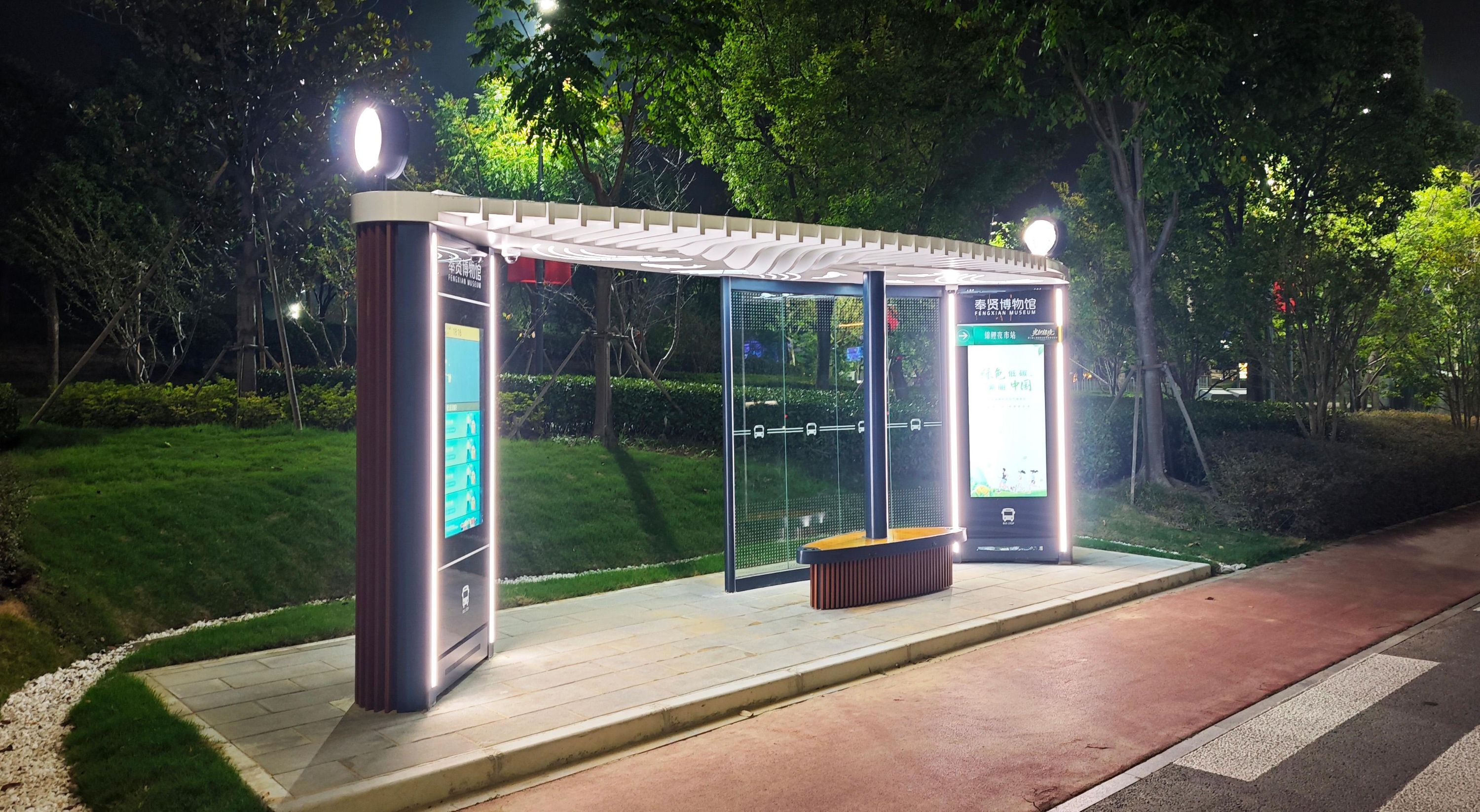
Standing at a bus stop no longer means staring at a printed schedule and hoping for the best. Modern shelters have quietly transformed into responsive hubs that read the rhythm of the city. Real-time arrival data streams onto e-ink displays that stay crisp even under harsh sunlight, while subtle LED strips shift color to signal route changes before your eyes. It’s the mundane wait, reimagined—where the shelter itself becomes a silent, attentive companion that anticipates what a commuter needs next.
Beyond schedules, these structures pay attention to the physical experience. Built-in sensors adjust overhead heating panels when temperatures drop, and misting systems activate during sweltering afternoons without anyone pressing a button. Charging pads are tucked beneath bench surfaces, letting a phone sip power as naturally as resting it on a table. Even the glass is smarter—it can tint itself to cut glare or turn transparent to let in winter sun, all while filtering out the noise of traffic so a quick call actually sounds clear.
The real shift, though, is how these spaces learn. Anonymous footfall counters help transit planners spot overlooked routes, while air quality monitors feed data into neighborhood health dashboards. Art installations on digital panels respond to the number of waiting people, turning a crowd into a collaborative light show. It’s technology that doesn’t scream for attention but folds into the background, making the daily commute feel less like a chore and more like a moment where the city gently looks out for you.
Green Roofs and Living Walls: Nature-Infused Bus Stops
On a drizzly Tuesday morning, the 38 bus shelter on Cedar Avenue feels more like a pocket park than a transit stop. Sedum carpets the roof in a patchwork of mossy greens and rust-reds, while a tapestry of ferns and flowering vines cascades down the living wall behind the bench. Raindrops bead on waxy leaves, and the air smells faintly of petrichor and damp soil. It’s a quiet sensory shift that turns an ordinary wait into something closer to a garden visit.
These green-roofed stations do more than soften concrete commutes. The planted layers absorb stormwater, cutting runoff that would otherwise swell city drains. On baking summer afternoons, the evapotranspiration from that living surface pulls temperatures down by several degrees—a small but real reprieve for passengers and pollinators alike. Bees hover around the nepeta, and sparrows flit between the ferns, stitching a thread of habitat through the transit network.
What makes these stops compelling isn’t just the ecological checklist; it’s how they nudge behavior. People linger a little longer, less glued to screens. Graffiti stays rare on surfaces that feel tended. Maintenance crews become accidental gardeners, learning which plants thrive in the microclimate of bus exhaust and foot traffic. The result is infrastructure that breathes—messy, alive, and stubbornly optimistic in a landscape of asphalt.
Modular Designs That Adapt to Evolving Urban Needs
Cities are living organisms, constantly reshaping themselves in response to shifts in population, economy, and culture. Rigid infrastructure struggles to keep up, but modular design steps into this gap with a philosophy of built-in flexibility. Instead of demolishing and rebuilding, these systems allow components to be added, removed, or reconfigured like building blocks, drastically cutting waste and disruption. A street-level retail unit today might become a community health clinic tomorrow, simply by swapping internal wall panels and service modules. This isn’t just about construction efficiency—it’s about creating urban fabric that breathes with the people it serves.
The true power of modular thinking reveals itself in how it handles unexpected change. When a neighborhood suddenly needs more green space, modular paving systems can be lifted and relocated, while planter modules slide into place without heavy machinery. During seasonal shifts, outdoor dining platforms assembled from standardised decking and frame kits can expand or contract as needed. Even utilities adapt: plug-and-play energy and water nodes make it possible to reroute services around a pop-up market or a temporary performance venue, then restore the original layout by evening. This responsive rhythm keeps public spaces alive and useful all year round.
Beyond the physical clicks and connections, there’s a quieter impact on how communities relate to their surroundings. When residents see their local square transform for a festival or watch a derelict lot bloom into tiered seating and gardens, a sense of ownership takes root. Modularity invites participation—it says the city isn’t fixed, it’s collectively shaped. Designers are now creating open-source component libraries so that citizen ideas can jump straight into mock-ups and then physical reality. The result is not a master-planned finish line, but a continuous, democratic evolution of place.
Lighting and Safety: Illuminating the Passenger Experience
Beyond simply piercing the darkness, modern transportation lighting is a silent guardian, actively shaping how safe and oriented passengers feel. Strategically placed, warm-toned floor-level illumination doesn't just look inviting—it intuitively guides the eye toward exits and step edges without the harsh glare that can disorient. Thoughtful design turns every corridor and doorway into a subtle navigation aid, where shadows are engineered to be minimal and light levels adjust seamlessly from bright concourses to darker cabins. This quiet orchestration of visibility helps prevent trips and missteps before they ever happen, making the entire journey feel both secure and effortless.
In moments of urgency, the character of light transforms instantly. Unobtrusive fixtures spring to life as a clear, directive force: amber runways trace the floor, exit symbols glow with unmistakable clarity, and pulsing beacons cut through smoke. These aren't just bulbs turning on—they're a pre-rehearsed visual language that communicates faster than words ever could. Passengers instinctively follow the illuminated path because the system is designed around human behavioral cues, drawing on years of research into how people react under stress. By tapping into that primal instinct to move toward light, an intelligently lit environment doesn't just assist an evacuation; it can fundamentally lower anxiety and help maintain calm when it matters most.
The real artistry lies in blending these two roles so gracefully that the safety mechanisms feel like an organic part of the passenger experience. From the gentle glow that lets you read a ticket without fumbling to the instantly recognizable red of an emergency alarm station, every lumen serves a purpose. This dual-function approach eliminates the need for jarring, utilitarian add-ons that scream “emergency.” Instead, the fixtures that guide you to your seat are the same ones that would lead you to safety. The result is a calm, uncluttered atmosphere where people can relax without ever consciously noticing the protective intelligence woven into the light around them.
Beyond Functionality: Art-Driven and Community-Centric Shelters
Shelters are no longer just about providing a roof over one’s head—they are evolving into expressive spaces that nurture the human spirit. By weaving art into the very fabric of their design, these shelters become canvases for creativity, where murals brighten walls, sculptures offer moments of reflection, and performance areas invite shared cultural experiences. This artistic layer transforms a utilitarian structure into a place of inspiration, helping residents reclaim a sense of identity and hope amidst displacement.
Equally vital is the shift toward community-centric models that place residents at the heart of decision-making. From co-designing living spaces with those who will inhabit them to organizing skill-sharing workshops around gardening, repair, or storytelling, these shelters thrive on collective ownership. Rather than imposing top-down solutions, they foster environments where mutual support flourishes—neighbors become collaborators, and daily routines are shaped by the rhythms of shared meals, childcare swaps, or informal gatherings in communal kitchens.
The most profound shelters blur the line between art and social connection, creating ecosystems where creative expression and community resilience reinforce each other. A mosaic project might double as a wayfinding system, while a community garden becomes both a source of fresh food and a living sculpture. In these settings, the built environment itself acts as a catalyst for dialogue and belonging, proving that truly effective shelter transcends mere functionality—it must feed the soul and knit people together.
FAQ
It's not just a shelter—it's a sculptural landmark with a sweeping, wing-like canopy that seems to float above the platform, creating a sense of movement even when you're standing still.
The design blurs the line between built and natural by integrating a green roof and allowing climbing plants to weave through the steel framework, making it feel like a living part of the landscape.
It uses dynamic LED lighting that adjusts based on the time of day and bus arrival, softly glowing at night to improve safety and visibility without harsh glare.
Glass panels and an open frame create a sense of security and openness, letting passengers see their surroundings clearly while waiting, which reduces the feeling of being trapped.
It has a specially engineered aerodynamic roof that deflects wind and channels rainwater away efficiently, paired with heated seating that activates in cold temperatures.
It's essentially a miniature architecture piece—a bold, angular concrete shelter that offers both privacy and a strong visual identity, almost like a small room on the street.
The roof is entirely covered in solar panels that power the shelter's lighting and digital displays, making it energy-neutral and a model for eco-friendly transit infrastructure.
By incorporating leaning bars instead of just benches, it encourages a more active posture and quicker turnover, subtly reducing crowding during peak hours.
Conclusion
The best bus shelter designs turn a mundane wait into an engaging urban moment. Instead of generic metal boxes, cities now treat transit stops as architectural landmarks that anchor neighborhoods and spark curiosity. Curving canopies, sculptural frames, or unexpected materials make these structures immediately recognizable, giving commuters a sense of place even on routine trips. This shift goes hand-in-hand with smart technology that responds to real needs: screens show live arrival data, USB ports keep devices charged, and adaptive lighting adjusts to crowds and daylight, making early-morning or late-night waits feel safer and less isolated.
Nature weaves through the commuter journey where green roofs and living walls cool the air, absorb rainwater, and soften hard streetscapes with a touch of wildness. Modular systems let these shelters expand or shrink as neighborhoods change, avoiding costly rebuilds. Thoughtful illumination does more than light a platform—warm, glare-free LEDs create a welcoming glow, while interactive surfaces and local artists' touches turn the shelter into a community canvas. Together, these elements redefine the daily commute: a bus stop becomes a quiet retreat, a piece of civic art, and a sign that the city cares about the moments in between.
Contact Us
Contact Person: Leo
Email: [email protected]
Tel/WhatsApp: +86 18901905138
Website: https://www.zemsogroup.com/