
Best Container House Steel Frame Forming Machine Supplier from China: Your Complete Buying Guide
2026-11-16
Finding a reliable supplier for container house steel frame forming machines from China can feel like navigating a maze. But if you're serious about structural integrity and production efficiency, the choice narrows fast. In this guide, we cut through the noise to show you exactly what to look for—and why Beenew stands out as a partner you can actually build on.
Why Container House Steel Frames Need Precision Roll Forming
Container house steel frames live or die by the millimeter. A door that sticks, a corner joint that gapes, or a floor beam that bows even slightly can turn a sleek modular home into a drafty, creaking box. Precision roll forming addresses this at the source, shaping cold steel into exact profiles with tolerances tight enough that every frame component slots together like machined parts, not hand-cut pieces. Without that repeatable accuracy, you end up shimming, grinding, and re-drilling on-site, which eats time and compromises the very modularity that makes container homes appealing.
The process also matters because these frames carry unusual loads. A repurposed shipping container already has its own structural quirks, and when you cut openings for windows, doors, or stacking modules, the remaining steel must be reinforced with new profiles that match the existing corrugations and corner castings. Roll forming lets manufacturers create custom channels, studs, and rails with consistent springback control, so the new frame members fit the container's geometry without forcing or deforming. That level of fit reduces stress concentrations and keeps the whole assembly weather-tight over years of thermal cycling.
Finally, precision roll forming keeps waste and labor down in a market that often runs on tight budgets and short build schedules. Traditional fabrication methods—cutting, welding, grinding—produce scrap, fumes, and variable results depending on who's holding the torch. Roll forming, by contrast, runs long coils through a series of rollers to produce identical profiles at high speed, with only minimal cutoff waste. For a builder putting up dozens of container homes, that means faster frame assembly, fewer callbacks for misaligned panels, and a final structure that stands square without heroic on-site corrections.
Key Machine Specifications That Actually Matter on Site
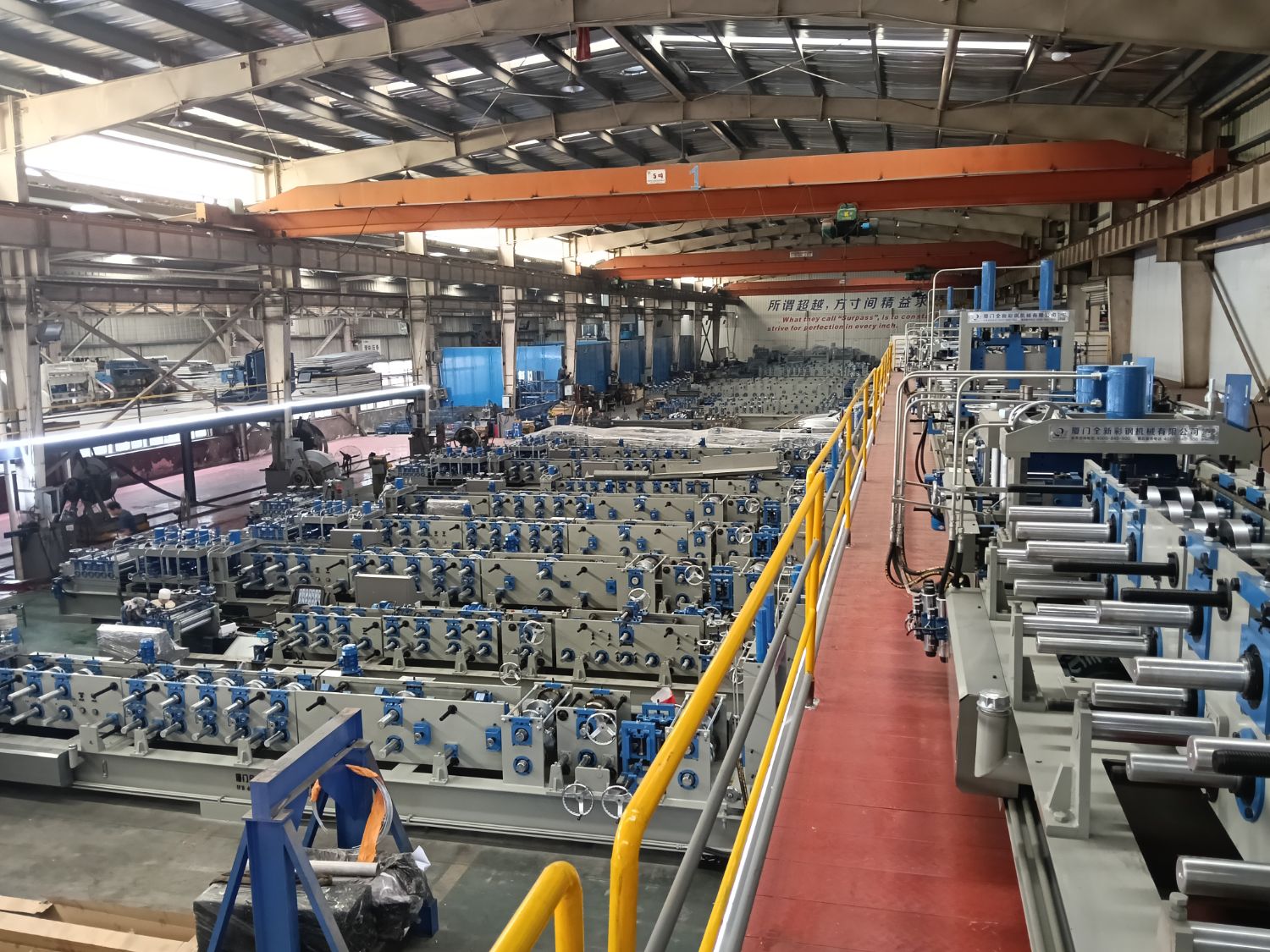
Most datasheets throw a wall of numbers at you, but on a job site the specs that actually change your day are weight, footprint, and how fast you can get it through a standard doorway. If a machine can't be lifted by the hoist you already have or needs an extra hand to squeeze through a stairwell, the advertised lift capacity becomes irrelevant. We've learned to check the physical envelope first because that's what limits where and how a machine gets used.
Hydraulic flow and electrical requirements are the next silent time-killers. A breaker attachment won't do much if the carrier can't supply the right GPM, and a 240V motor on a 120V-only site means dragging a generator around all day. Contractors who have been burned once start reading the fine print on auxiliary circuits and phase requirements before anything else.
What rarely shows up in a brochure is the service interval reality: how many grease fittings are hidden, whether the filters can be reached without removing a panel, and if the tracks can be tensioned with a common grease gun. Those are the things that turn a ten-minute daily check into an hour-long chore, or worse, lead to skipped maintenance. The best machine on paper is the one that doesn't fight you when you're already behind schedule.
How Chinese Manufacturers Differ in Build Quality and Support
Build quality among Chinese manufacturers is not a single standard but a broad spectrum. Factories that serve premium markets typically run automated lines, use higher-grade materials, and enforce multiple inspection gates, so their output can match or beat Western benchmarks. At the other end, shops focused on rock-bottom pricing may cut corners on heat treating, anodizing, or component sourcing, and that shows up as shorter service life or cosmetic flaws.
Support tends to follow the same split. Well-established exporters usually assign a dedicated contact, keep spare parts in regional warehouses, and honor warranty claims without excessive friction. Smaller or less experienced factories often respond slower, ask more questions before approving returns, and may ship replacements only after repeated follow-ups. Some also offer flexible post-sale options, such as extended coverage or remote setup help, but only when the buyer pushes for it.
The real difference shows once problems appear. A supplier with disciplined process control will trace a defect back to a specific batch, issue a corrective action report, and adjust future runs. A weak supplier may argue about responsibility or simply repeat the same mistake. Buyers who skip factory audits and sample testing are left guessing which category they are dealing with.
Common Pricing Traps and How to Avoid Them
Most pricing mistakes aren't obvious at first. Cost-plus pricing feels safe but ignores how buyers actually value the product, leaving money on the table. Chasing a competitor's price cuts is just as dangerous—it starts a race to the bottom where nobody wins. Instead, shift toward value-based pricing: talk to customers, run small price tests, and let real willingness to pay guide your decisions.
Hidden fees and constant discounts breed distrust. Customers hate surprises at checkout, and permanent markdowns teach them to wait for the next sale. Keep pricing transparent and use promotions sparingly—tied to specific events or loyal customers, not as a daily habit. Segmenting your audience also helps: price-sensitive shoppers get a basic option, while premium buyers pay for extra value without devaluing your core product.
Often the biggest trap is internal fear. Teams assume lowering prices attracts more buyers, but that rarely works unless you understand demand. Instead of guessing, gather feedback from lost deals and observe how behavior changes at different price points. Pricing should be a learning loop, not a one-time guess.
Realistic Delivery Timelines and What Delays Them
Most people assume a package will arrive exactly when the tracking page predicts, but realistic delivery windows are usually wider than the bold date shown at checkout. A domestic ground shipment might be quoted as three to five business days, yet that estimate often ignores how carriers count weekends, local holidays, or the cut-off time for handing a parcel to the driver. In practice, a package dropped off at 6 p.m. on a Friday won't move until Monday, effectively adding two days before the clock even starts. This gap between promise and reality is where many frustrations begin.
Beyond the basics of pickup and sorting, several quiet factors stretch delivery times. Weather isn't just about snowstorms; extreme heat can ground cargo planes, and heavy rain can slow last-mile vans in areas with poor drainage. Customs clearance for international orders is another wildcard—the same item can sit for two days or two weeks depending on the port, the paperwork, and random inspections. Less obvious delays come from address errors, missing apartment numbers, or a barcode that gets smudged and forces a manual re-scan at every hub. Even a fully functional supply chain can lose a day if a trailer is overweight and has to be re-balanced before hitting the highway.
What separates a realistic timeline from a marketing one is accounting for these buffers without pretending they don't exist. A competent shipper will tell you "five to seven business days" for a cross-country parcel and still expect occasional outliers, while a naive one will promise "guaranteed by Thursday" and then blame the weather. The truth is that delivery speed depends less on distance and more on the density of the route—a package going from New York to Los Angeles might actually move faster than one going from a suburb to a rural town fifty miles away, simply because the major lane has more trucks and flights to absorb hiccups. If you need something by a hard deadline, double the quoted transit time and treat any earlier arrival as a bonus, not a baseline.
Questions to Ask Before You Sign the Purchase Agreement
The stack of paper in front of you isn't just a formality; it's the entire deal reduced to ink. Before you pick up the pen, slow down and ask what happens if your mortgage approval takes longer than expected—or falls through altogether. Does the contract give you a way to walk away with your earnest money intact, or are you locked in regardless? Look for language around financing and appraisal contingencies, because those clauses are often the only escape hatch if the loan stalls or the property appraises below the agreed price.
Next, get specific about what's actually included in the sale. That built-in refrigerator, the shed out back, the curtain rods you assumed would stay—none of that is guaranteed unless it's written down. Ask how repairs will be handled after the inspection and whether the seller is obligated to fix major issues or just offer a credit. Also confirm the closing date and what happens if either side needs to push it back; a contract without a clear timeline can leave you stuck in limbo while your moving truck is already booked.
Finally, don't sign until you understand the penalties for backing out. Some agreements include a "liquidated damages" clause that could cost you far more than your deposit. Ask about any HOA restrictions, pending assessments, or easements that could affect your use of the property. If the seller declines to answer a question in writing, treat that silence as a red flag—everything you rely on later needs to be in the agreement itself, not in a friendly conversation.
FAQ
Pay attention to the supplier's track record with similar projects, the materials used in the machine frame, and whether they offer on-site installation support or remote guidance. A reliable supplier should be willing to share references and show videos of the machine running in real production conditions.
Request a live video inspection of the machine performing the exact profiles you need. Ask for a detailed specification sheet, including the thickness range of steel it can handle and the tolerance levels it maintains. If possible, visit the factory or hire a third-party inspection service to check the welding quality and control system.
Most established Chinese manufacturers can adjust the roll forming stations and cutting system to accommodate various profile widths and lengths. You will need to provide your precise drawings and expected production volume. Customization usually affects both the price and the lead time, so clarify these details early.
For a standard machine, expect around 30 to 45 days after the deposit is received. If you need heavy customization or additional features like automatic stacking systems, the timeline can extend to 60 days or more. Always confirm the shipping method and local port clearance time in your budget.
Very important. Look for suppliers who offer a clear warranty period, provide spare parts lists, and have engineers available for video calls during installation. Some companies also offer training for your operators online or at their factory, which reduces downtime after the machine arrives.
Compare the main motor power, the number of roll forming passes, the type of cutting system (hydraulic or servo), the PLC brand, and the frame structure thickness. Also check the maximum steel coil width and thickness the machine can process, as these directly affect output quality and speed.
Many Chinese suppliers offer complete turnkey lines that include decoilers, leveling units, punching systems, roll forming machines, and automatic stackers. Buying a full line from one supplier often simplifies compatibility and training, but you can also source components separately if you have specific brand preferences.
Beyond the machine price, account for international shipping, import duties, local taxes, and possible customs inspection fees. Also factor in the cost of electrical adjustments if your local voltage differs from Chinese standards, and budget for spare parts and initial consumables like cutting blades.
Conclusion
Buying a container house steel frame forming machine from China is less about chasing the lowest price and more about matching the equipment to what actually happens on a build site. Precision roll forming matters because even a 2 mm deviation in flange width or hole alignment multiplies across a 6-meter frame and forces workers to grind, shim, or re-drill on every module. The specifications worth checking are not the marketing numbers like maximum line speed or theoretical output, but the real-world tolerances on coil thickness, straightness of the finished profile, and how the punching stations hold position after a few thousand cycles. Some Chinese factories cut corners by using softer steel for the rollers or thinner frame beds, which shows up as twist and wave in the profile after the first container of coils runs through. Others invest in heat-treated rollers, servomotor-driven cutoffs, and inline straightening units. Build quality and support vary far more than the glossy brochures suggest; a supplier who sends an engineer for commissioning and keeps spare parts in a regional warehouse is worth far more than one offering a slightly faster delivery.
Pricing traps often hide in the details: a low base quote that excludes the decoiler, leveler, or extra roller sets, then charges separately for export packing, or quotes sea freight without port handling and customs clearance. Ask for a line-item quotation in writing and compare the total landed cost, not the FOB price. Delivery timelines in China are usually reliable for standard machines, but expect delays from raw material shortages, power restrictions, or holiday shutdowns—and never accept a promise without a penalty clause for late shipment. Before signing the purchase agreement, request video of your actual machine running your exact profile, not a similar model. Check the warranty period, what parts are covered, and how quickly they respond to breakdowns. Ask for three recent buyers in your region, then call them. A good supplier will welcome a pre-shipment inspection; a bad one will make excuses. The right choice isn't the cheapest or the most famous brand, but the manufacturer who answers technical questions directly and stands behind the machine after the container leaves the port.
Contact Us
Contact Person: Sophie
Email: [email protected]
Tel/WhatsApp: 8615959271231
Website: https://www.beenew-rollformer.com/