
Boiler Suit Supplier Tips for Choosing the Right Protective Gear
2026-10-22
Buying protective gear isn't just about checking off a spec sheet—it's about matching the suit to the people who wear it and the hazards they face. To make that easier, we asked a reliable boiler suit supplier, DROTEX, to break down the selection tips that rarely make it into product brochures. Here's what we learned before you commit to your next order.
The Fabric Test Most Buyers Never Run
Before you hand over money for a sofa, curtains, or even a jacket, there is one quick check that separates fabrics that last from fabrics that fall apart after six months. Take a small corner of the material and rub it hard between your thumb and forefinger for ten seconds. If loose fibers pill up, color transfers onto your skin, or the weave shifts noticeably, that fabric will look tired long before the rest of the item does.
Another part of the same test is to stretch a hidden seam or edge gently, then let it snap back. A tight, well-finished weave should recover without leaving a wrinkle or gap. In many stores, this is the exact moment a salesperson will distract you with talk about thread count or hand feel, because those things are easier to romanticize than a fabric's actual fight against friction, sunlight, and repeated washing.
The buyers who skip this usually regret it around month eight, when the armrest of the sofa looks like it has been dusted with fuzz and the cushion seams have started to grin. Running the test only takes half a minute, costs nothing, and works on velvet, linen, denim, boucle, and nearly every other textile you are likely to bring home.
Fit Problems Show Up in the Worst Moments
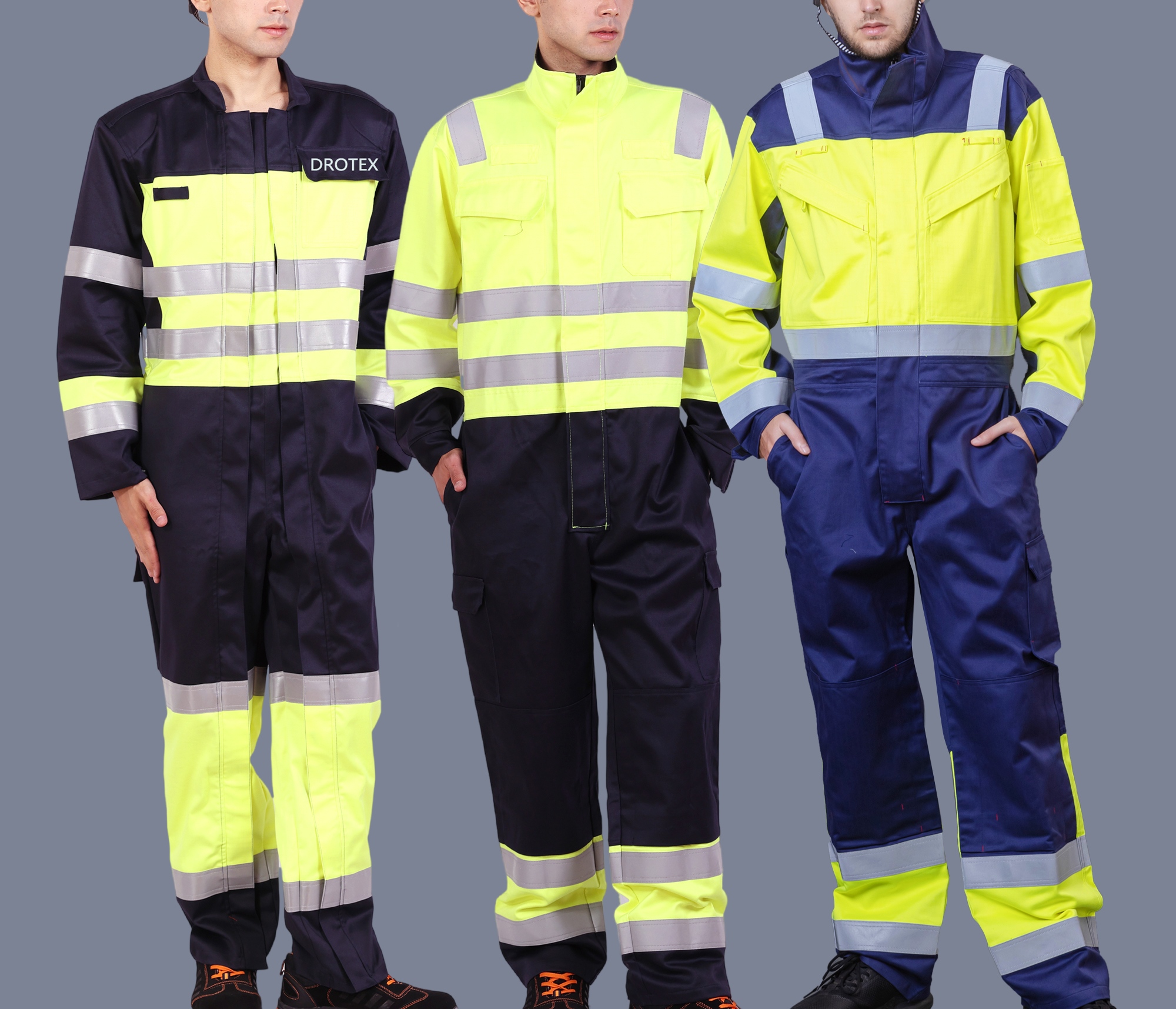
It’s rarely during a quiet morning at home that a fit issue announces itself. It’s at the exact second you bend down to pick up a dropped key, or when you reach across a conference table for a glass of water. The waistband digs, the shoulder seam shifts, the sleeve cuffs your wrist at an angle that makes typing feel clumsy. Those small tensions linger until they become impossible to ignore.
The worst part is how timing works against you. A jacket that felt fine in the fitting room turns stiff and short through the back the first time you throw a duffel bag into an overhead bin. A pair of trousers sits perfectly while you stand still, but the second you climb a flight of stairs, the fabric pulls across the hips and the hem jumps. Fit isn’t static, so problems only surface under stress, motion, or fatigue.
Good tailoring is less about looking sharp in a mirror and more about surviving those unguarded moments. If a collar chokes after you tuck in a shirt, or a skirt twists when you sit in the car, the problem was always there—it just waited for the worst possible moment to show up.
Zippers Fail First When You Ignore This
Most zipper failures aren't random accidents. They begin the moment you force a zipper that's caught on fabric instead of backing off and clearing the jam. Repeated yanking stresses the teeth and slider, causing microscopic misalignments that eventually lead to a split seam or a permanently stuck track.
Another overlooked culprit is neglecting the zipper pull itself. A loose or twisted pull puts uneven pressure on the slider, wearing down one side faster. Within weeks, the zip starts to separate from the bottom, even when fully closed. Once that happens, no amount of wax or graphite will restore it.
The fix is simpler than most people think. Before each wash, close all zippers halfway and turn garments inside out. This reduces stress on the mechanism and prevents the slider from catching on other items. For everyday jackets, run a soft pencil tip along the teeth every few months—it acts as a dry lubricant without attracting lint. Small habits like these extend zipper life far more than any repair trick after the damage is done.
That Safety Label Hides More Than It Says
A safety label tends to function as a boundary rather than a full disclosure. It tells you not to use a product near water, but it rarely mentions that a small splash can start a slow corrosion process that no label covers. The warnings are written to satisfy legal departments, not to walk you through the actual failure modes you might encounter.
What gets left out is often more instructive than what gets printed. The label will say “keep out of reach of children,” yet it won’t explain that the same product can become unstable if stored above a certain temperature for just a few hours. The real risks are buried in environmental interactions, aging materials, and uncommon use cases—none of which fit neatly into a three-line warning.
Supplier Audits Go Beyond the Brochure
A glossy brochure can make any supplier look disciplined, but the real picture only emerges once you walk the floor unannounced. Supplier audits strip away the polished claims and test whether documented procedures actually hold up under production pressure. You start noticing the small things—batch records with missing timestamps, calibration stickers that expired months ago, a training matrix that hasn't been updated since the last audit cycle.
Beyond the paperwork, the tone of the visit matters more than the checklist. A supplier that greets auditors with rehearsed answers and carefully staged workstations often hides the very issues you need to see. Better audits involve quiet observation, casual conversations with line operators, and a willingness to follow a single order from raw material to finished goods without the supplier steering you away.
The value comes from what happens after the report is filed. Rather than treating an audit as a pass-or-fail snapshot, the strongest buyers use it as a starting point for corrective action and shared problem-solving. That shift—from judging a supplier to understanding how they actually operate—is what separates a box-ticking exercise from an audit that protects your supply chain.
One Boiler Suit Is Never Enough for Real Work
Anyone who has spent a full day crawling under machinery, hauling timber, or scrubbing out a grease trap knows the truth: a single boiler suit is a fantasy. By noon, the knees are soaked, the cuffs are caked with grime, and the zipper has started to bind from the dust. You can't just shake it off and walk into the next task. Real work demands a rotation—one for the morning's heavy muck, one for the afternoon's lighter touch, and a spare hanging in the truck for the inevitable tear or spill. Treating a boiler suit as a one-and-done garment is how you end up shivering in a damp shell at 3 p.m.
Weather alone justifies a small stack of suits. A heavyweight cotton drill might be perfect for welding in a cold shop, but it becomes a sweatbox when you're tying rebar under July sun. Conversely, a breathable poly-cotton blend that keeps you cool during summer concrete pours offers zero wind resistance once autumn hits the job site. Then there's the matter of fit: a suit loose enough for layering over thermals in January won't hang right in May. If you're serious about the work, you don't ask one boiler suit to handle every season—you keep a light one, a heavy one, and a hooded option for rain.
Beyond practicality, having multiple suits is about showing up ready instead of making do. When a client sees you in a clean, intact suit on day two of a job, it reads as professionalism, not vanity. But more importantly, a spare suit means you can swap out a ripped shoulder or a splashed chest without losing an hour to a hardware-store run. The real cost of a boiler suit isn't the price tag—it's the downtime when you only own one and it fails mid-task. Stock up, break them in, and rotate hard. That's how you stay moving from the first cut to the final clean.
FAQ
Prioritize flame-resistant fabrics that meet recognized safety standards. Check the label for certifications like ISO 11612 or NFPA 2112, and avoid materials that melt or drip when exposed to heat. A snug but not tight fit also helps prevent loose fabric from catching sparks.
Ask for samples before committing to a bulk order. Look at stitching quality, fabric weight, and whether high-stress areas like knees and elbows have reinforced panels. A reliable supplier won't hesitate to share lab test reports or let you trial a few suits for a week.
Not necessarily. Thicker fabric can offer more abrasion resistance, but it might also reduce mobility and increase heat stress. The key is matching the material to the hazard—chemical splashes call for barrier coatings, while mechanical work benefits from ripstop weaves. Balance protection with comfort so people actually wear the gear.
Find out if they offer unisex or gender-specific cuts and whether they use a standard size chart or custom measurements. Ask about returns or exchanges for ill-fitting items. Some suppliers include fit trials in their service—if they do, take advantage of that before placing a large order.
There's no fixed timeline because it depends on exposure and care. Inspect suits after each wash cycle and look for fading, tears, or weakened seams. If the fabric no longer repels liquids or has visible wear in critical zones, retire it. Keep a simple log to track how long each suit lasts under your working conditions.
Disposable options make sense for short-term tasks, heavy contamination, or when laundry facilities aren't available. Reusable suits cost more upfront but last longer and can be more comfortable if they're properly maintained. Think about how often you'll need gear and what happens to it after a shift—that usually decides the winner.
Good suppliers do more than sell clothing. They can provide documentation on fabric testing, certifications, and care instructions that align with workplace safety requirements. Some even offer on-site assessments or recommend specific products based on your industry's regulations. Ask about these services early on.
Reliability matters as much as the fabric. Check whether they keep consistent stock levels, offer fast replenishment, and have a clear warranty or defect policy. A supplier who communicates proactively about delays or product changes is worth more than a slightly cheaper one who disappears after the invoice.
Conclusion
Most buyers never think to run their own quick fabric check before signing off on a boiler suit order, and that oversight can cost them later. Take a patch of the actual sample, splash it with a bit of oil or solvent, and see whether it repels or soaks through. If the material turns slick or starts breaking down, you are not looking at protective gear; you are looking at a compromise. Fit matters just as much, especially when someone is hunched over an engine or reaching for a valve. A suit that pulls tight across the shoulders or rides up at the ankle becomes a hazard, not a shield. Then there are zippers—cheap ones seize, split, or lose teeth after a few weeks. Run the zipper up and down twenty times on every sample and check for snags. And do not take the safety label at face value. A printed standard means little without a batch test report or a certifier you can verify independently.
Real supplier audits go past shiny brochures and polished sales decks; you need to walk the production floor, ask about raw material sourcing, and request third-party test results on the exact fabric weight and seam strength being quoted. A dependable supplier will show you their rejection logs and quality control checkpoints, not just a photo of a neat factory. Finally, remember that one boiler suit is never enough for real work. Crews rotate through hot, greasy, or wet conditions, and gear needs washing, drying, and repair time. Buying a small set of identical suits for each worker means someone is always in a clean, intact suit instead of stretching a stained, worn one past its limit. That practical rotation, paired with careful supplier vetting, is what keeps protection consistent rather than decorative.
Contact Us
Contact Person: Sandy
Email: [email protected]
Tel/WhatsApp: 86150 8310 5120
Website: https://www.frdrotex.com