
China Veterinary GS-441524 Injection: Essential Guide for Treating FIP in Cats
2026-11-16
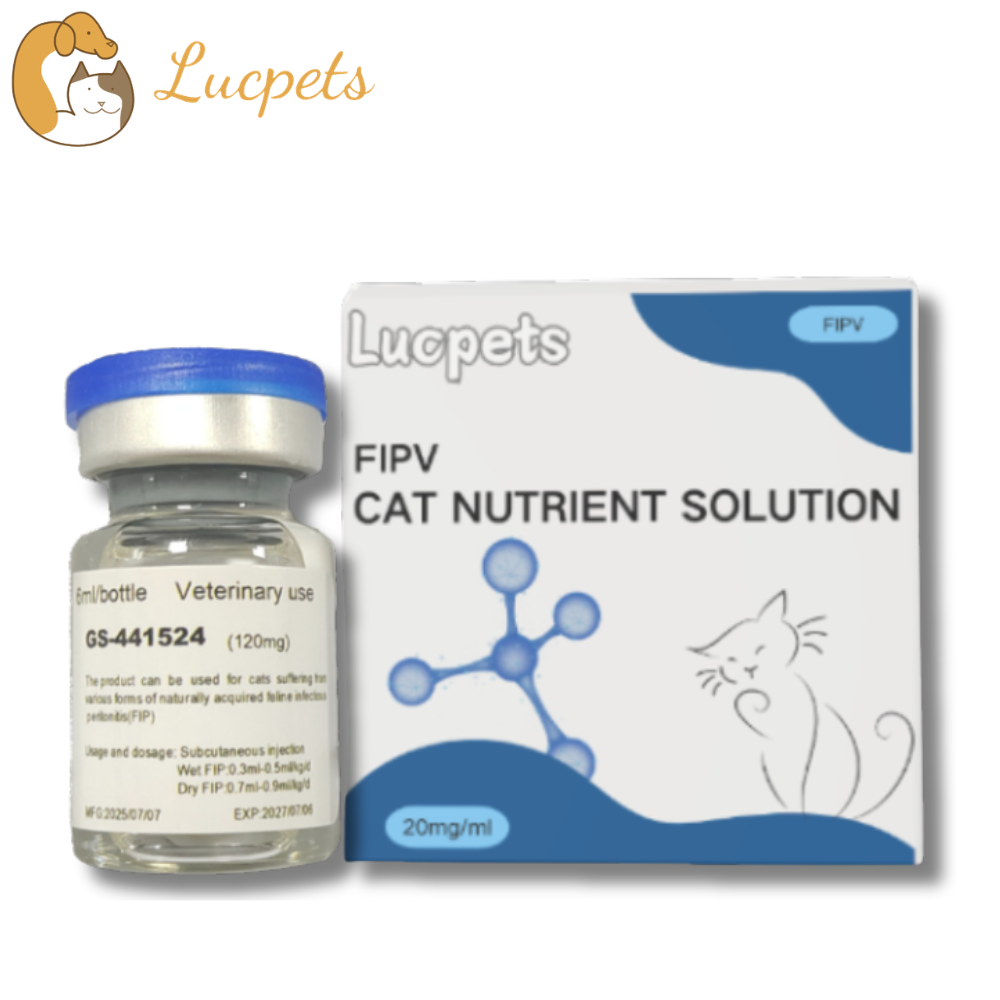
When your cat is diagnosed with FIP, the world stops. For years, this diagnosis meant heartbreak. But a quiet revolution in veterinary medicine is changing that story—and it's happening in China. GS-441524 injections have emerged as the most effective treatment, yet navigating the landscape can be overwhelming. This guide cuts through the noise, focusing on what actually works. Whether you're sourcing from Lucpets or exploring alternatives, you need clear, practical information—not marketing fluff. Let's dive into the essentials.
Why GS-441524 Injections Remain the Frontline Choice for FIP
GS-441524 injections have held their ground as the go-to treatment for feline infectious peritonitis (FIP) for reasons that go beyond mere efficacy. Unlike oral formulations that rely on consistent absorption and can be affected by a cat's appetite or digestive issues, injectable delivery ensures the drug reaches therapeutic levels rapidly and predictably. This reliability is critical in a disease where every day counts, and even a short lapse in dosing can allow the virus to rebound.
Veterinarians and cat owners alike keep returning to injections because they offer a level of control that other routes simply haven't matched. The subcutaneous route allows for gradual, steady release, which helps maintain the kind of sustained pressure on the virus needed to achieve a durable cure. Many early adopters who used the injectable form during the pioneering stages of FIP treatment saw remarkable recoveries, and that track record continues to shape current practice, even as newer options appear.
It is not just about tradition, though. The injectable formulation has been studied extensively in real-world settings, with countless cats pulling through after a full course. That body of evidence, combined with the ability to adjust doses precisely and monitor response closely, makes injections the safest default for a disease that demands aggressive, uninterrupted intervention from the very first day.
Spotting Reliable Chinese Suppliers: Red Flags and Must-Checks
A supplier who dodges live video calls or sends only polished brochures is already telling you something. Reliable factories usually have no issue walking a phone through the workshop, even if it’s messy. If they refuse to show the production floor, claim the camera is broken, or keep pushing pre-recorded clips, treat that as a red flag. Also watch for quotes that sit far below the typical range for your product category—materials and labor costs do not vary that wildly from one province to another.
Before committing, check the company name on China’s official corporate registry. Look for matching registration scope, operating status, and any past penalties. A supplier registered as a trading firm but claiming to own a factory needs extra probing. Ask for their business license number and cross-check it against other documents like bank account details or export records. Discrepancies in addresses, legal representatives, or company names are common in scam setups.
Never skip a sample order just because the catalog photos look professional. Place a small trial run and inspect not only the product quality but also consistency across units. During the sample phase, pay attention to how they handle feedback. A good supplier asks detailed questions about your specification and flags potential issues before production, while a risky one agrees to everything instantly and later delivers something different. For larger orders, arrange a third-party pre-shipment inspection and keep deposit payments tied to clear milestones rather than handing over 50% upfront.
Pain-Free Injection Tips: Making Every Dose Count
A lot of the sting from an injection comes down to simple physics and a bit of prep. If your medication is stored in the fridge, let it sit out for ten to fifteen minutes so it reaches room temperature. Cold liquid hitting muscle or fat tissue triggers a sharper pain response. Also, ask your pharmacist for the thinnest gauge needle that can still deliver your dose safely—thinner needles cause less tissue disruption. And here's a trick most people miss: before you even touch the skin, consciously relax the muscle you're about to inject into. If you're tense, the needle meets resistance and hurts more. Take a slow breath, drop your shoulders, and let the area go soft.
The actual injection technique matters just as much as the gear. Don't jab—instead, use a quick, confident motion to pierce the skin in one smooth go. Hesitating halfway through only doubles the discomfort. For subcutaneous shots, pinch up a generous fold of skin so the needle goes into fat, not muscle, which reduces pain significantly. For intramuscular injections, stretch the skin flat with your free hand rather than bunching it up. And never rush the plunger: push the medication in over a count of five to ten seconds. A slow, steady push lets the tissue accommodate the fluid without stinging. If you feel a burn, pause for a second, then continue even more slowly.
Right after the needle comes out, press a clean cotton ball or gauze firmly over the site—but don't rub. Rubbing can irritate the tissue and make soreness worse. Hold pressure for about thirty seconds to stop any bleeding and keep the medication from leaking back out. Then move the area gently: walk around or rotate your arm a few times. That helps the medicine spread and prevents it from pooling in one spot. Finally, keep a simple injection log on your phone—note which side and exact location you used each time. Rotating sites by at least an inch every dose prevents knots, scar tissue, and that achy "I just shot up" feeling that makes the next injection harder to take.
Tracking Progress: Key Milestones During the 12-Week Protocol
Rather than weighing yourself every morning or obsessing over daily fluctuations, focus on a handful of checkpoints spread across the 12 weeks. Week 3 often marks the first noticeable shift in energy and sleep quality, while week 6 is a better moment to assess changes in body measurements and strength output. By week 9, you can usually spot consistency patterns in your workouts and eating habits that either need a small course correction or deserve reinforcement.
Keep a simple log that captures only what actually matters to you—maybe resting heart rate, how your clothes fit, or the weight on your key lifts. Photographs taken in the same lighting every four weeks tend to reveal changes that the scale misses entirely. Instead of judging progress by a single number, compare the same milestone across different cycles, because improvements in recovery, mood, and joint comfort often show up long before visible body composition shifts.
Combining Antivirals with Nutrition and Immune Support
Antivirals can reduce viral load, but they don't achieve much if the body lacks the resources to repair damaged cells and mount a proper immune response. Pairing them with targeted nutrition isn't a nice-to-have; it changes how well the medication performs. For example, adequate protein intake supplies amino acids for antibody production, while vitamin C and zinc support the activity of immune cells that antivirals rely on to finish the job.
The gut often becomes a weak point during viral infections, especially when medications disrupt the microbiome. Including fermented foods, soluble fiber, and plenty of fluids helps maintain the gut barrier and supports lymphatic tissue where a large share of immune activity happens. This isn't about replacing antivirals with supplements—it's about giving the drug a functional environment to work in, so the body can clear the virus without secondary complications.
Timing matters as much as the nutrients themselves. Taking antivirals with food can improve absorption for some medications, while others need an empty stomach. Meanwhile, spacing out mineral supplements like zinc or magnesium prevents them from competing with the drug for transport. A simple schedule, built around meals and medication times, often makes the difference between a sluggish recovery and a steady one.
Navigating Import Rules and Prescription Requirements
Bringing medication across borders rarely follows a straight line. Each country layers its own restrictions on top of international shipping conventions, and what passes without question in one place can trigger delays or confiscation a few hundred miles away. Start by checking the destination's list of controlled substances rather than assuming your prescription is universally accepted. Some common medications for anxiety, pain, or sleep fall into a gray zone where personal use quantities might be allowed with proper documentation, while larger amounts invite scrutiny.
A physical prescription signed by your doctor is almost always worth more than a digital note. Keep the medication in its original packaging with the pharmacy label intact, showing your name, the drug name, and the dosage. If you're traveling with a Schedule II or III controlled substance in the United States, consider requesting a letter from your prescriber that states the diagnosis, the generic and brand names, and the total quantity you'll carry. This letter doesn't override local law, but it gives customs officers a clear paper trail to verify rather than guess.
For longer stays or larger supplies, contact the embassy or consulate of the destination country before you pack. Some nations require advance permission for any amount of certain drugs, and the approval window can stretch for weeks. Also check whether your medication is even sold there under a different name or format; if not, you may need to carry enough for the entire trip and explain that in writing. When in doubt, declare the medication rather than hiding it. A short conversation at the border is far less disruptive than having your supply seized or facing a fine for undeclared imports.
FAQ
GS-441524 is a nucleoside analog that blocks viral RNA replication. Feline infectious peritonitis virus depends on this replication to spread, so the drug interrupts that process and gives the cat's immune system a chance to clear the infection.
The cost difference is the main reason. Compounded or approved options in some countries can be extremely expensive or hard to access, while Chinese manufacturers and veterinary suppliers often offer the same active ingredient at a fraction of the price. Many owners import it after their vet confirms the diagnosis.
Most protocols run for 84 days, or 12 weeks. Some cats with neurological or ocular FIP may need a slightly longer course. Stopping early is risky because it can lead to relapse.
The injection is usually given subcutaneously, often along the scruff or flank. Rotating sites helps prevent skin irritation and abscesses. Using a new, sharp needle each time and warming the vial slightly can make the injection less painful.
Local skin reactions like sores or thickening are common, especially with repeated injections. Some cats develop lethargy, reduced appetite, or mild vomiting. Bloodwork may show elevated liver enzymes or changes in white blood cell counts, so regular monitoring matters.
Not immediately. Vets usually wait for a 12-week observation period after the last dose. If the cat stays clinically normal, gains weight, and has stable bloodwork during that window, the chance of long-term remission is high, but relapse can still occur in a small percentage.
This varies by country and even by state or province. In many places, importing an unapproved veterinary drug for personal use falls into a gray area. You should check local regulations and work with your vet to document the medical need before ordering.
Conclusion
GS-441524 injections hold their place as the first-line treatment for feline infectious peritonitis largely because they deliver the antiviral directly into the bloodstream, bypassing the gut issues that can plague sick cats. Oral forms exist, but when a cat refuses food or struggles with absorption, injectable GS-441524 gives owners a more predictable way to keep drug levels steady. That said, sourcing from Chinese manufacturers calls for a sharp eye. Reliable suppliers share batch-specific third-party lab reports without hesitation, keep packaging and storage instructions clear, and don't push payment through sketchy channels. Red flags include fuzzy certificates of analysis, wildly low prices, and promises that sound too good to be true. Injection comfort also matters. Using a fine needle, warming the vial to body temperature, rotating sites, and injecting slowly can turn a stressful moment into a manageable routine.
During the 12-week protocol, progress shows up in small but meaningful ways: fever breaks, appetite returns, fluid in the belly or chest shrinks, and the cat starts grooming again. Bloodwork markers like the albumin-to-globulin ratio, hematocrit, and lymphocyte counts give a more objective picture, but daily behavior is just as telling. Nutrition and immune support run alongside the antiviral, not behind it. High-quality protein, omega-3 fatty acids, B vitamins, and a low-stress environment help the body rebuild what FIP has torn down. Import rules add another layer. Many countries require a veterinary prescription or special import permit for unapproved drugs, and customs can seize shipments without proper paperwork. Keep records, know your local regulations, and plan ahead so a supply gap doesn't interrupt treatment.
Contact Us
Contact Person: Aaron
Email: [email protected]
Tel/WhatsApp: +86 18177165140
Website: https://www.lucpetsglobal.com