
Choosing the Right Caster Wheels: Insights from Leading China Manufacturers for Your Business
2026-02-03
Navigating the vast world of caster wheels can be daunting, especially when sourcing from China's leading manufacturers. In this blog, we dive into expert insights to help you make informed decisions for your business operations. Discover key factors like durability, load capacity, and customization options that drive success. For top-tier solutions, consider CMCL, renowned for quality and innovation in the industry. Let's explore how the right casters can boost efficiency and reduce costs, setting your business apart in a competitive market.
Essential Factors in Caster Wheel Selection: Expert Tips for Durability and Performance
Selecting caster wheels that last and perform well is key to smooth operations in any setting, from warehouses to offices. Many people focus only on load capacity, but overlooking aspects like wheel material or bearing type can lead to premature wear. For instance, choosing polyurethane wheels over hard rubber can reduce noise and floor damage, especially on delicate surfaces. It's not just about picking a wheel; it's about matching it to your specific environment and usage patterns to avoid costly replacements and downtime.
Durability hinges on factors like wheel diameter and tread design. Larger wheels roll more easily over obstacles and uneven floors, reducing strain on both the equipment and operators. Meanwhile, the right tread—whether soft for shock absorption or firm for speed—can significantly impact performance. Experts often advise considering shock-absorbent options in busy areas to protect both the casters and the floors, ensuring longevity without sacrificing mobility. A small investment in quality here can pay off with fewer maintenance headaches down the line.
Performance is also tied to the swivel mechanism and mounting style. Full-swivel casters offer superior maneuverability but may require more maintenance if not properly sealed against dust and debris. In contrast, rigid casters provide stability for straight-line movement. By assessing daily tasks and movement frequency, you can tailor your selection to enhance efficiency. Remember, the best caster setup is one that balances durability with smooth operation, tailored to your unique needs—not a one-size-fits-all solution.
Material Insights for Caster Wheels: How China's Top Manufacturers Ensure Quality and Versatility
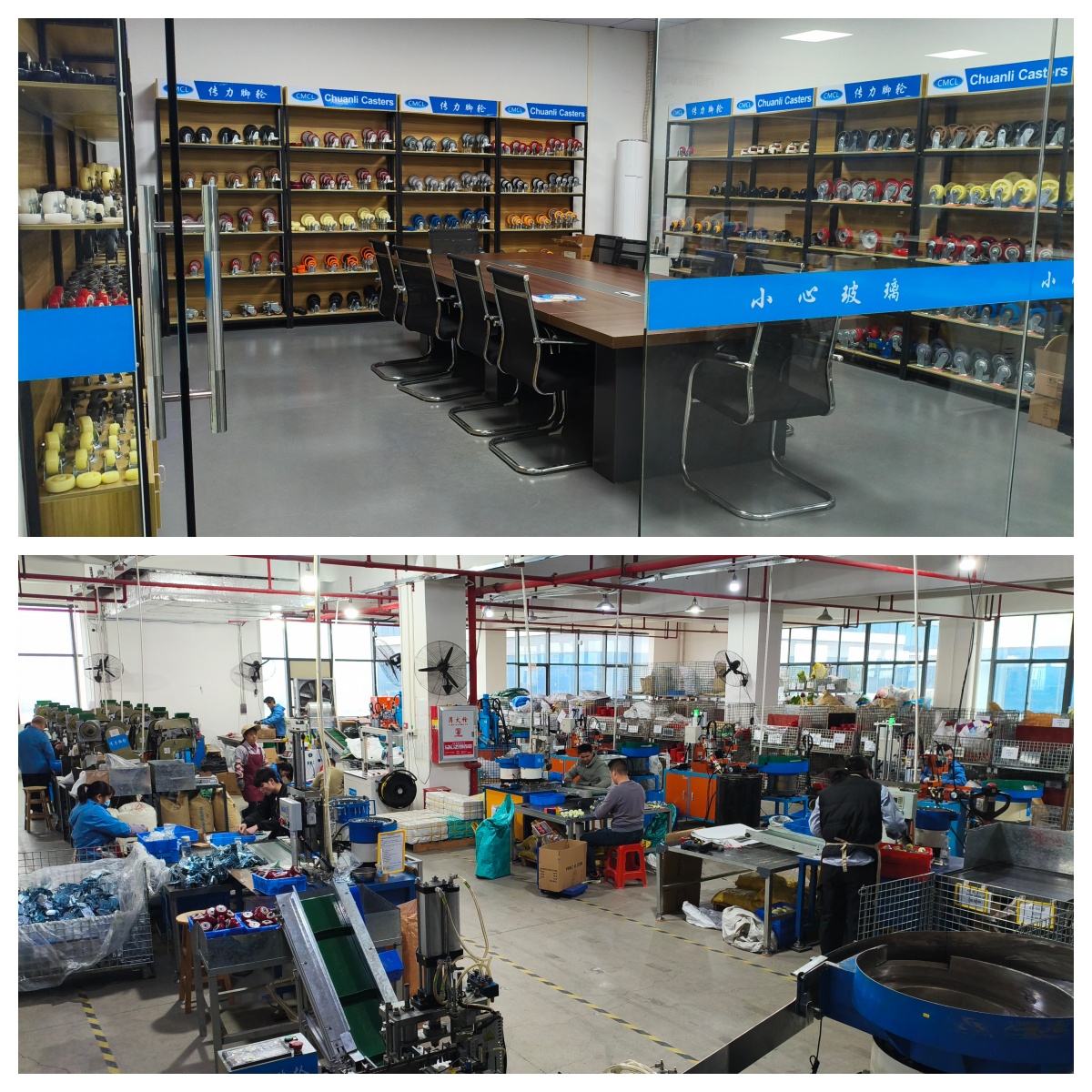
At the heart of durable caster wheels lies a deep understanding of material science, and China's top manufacturers have mastered this through extensive research and innovation. They don't just rely on standard options like polyurethane or rubber; instead, they explore advanced composites and engineered plastics tailored to specific industrial needs. By customizing material blends for enhanced load-bearing capacity, abrasion resistance, or chemical tolerance, these producers ensure that each wheel performs optimally in diverse environments, from warehouses to healthcare facilities.
To achieve such quality and versatility, leading Chinese firms invest heavily in precision manufacturing processes that refine material properties during production. This includes techniques like injection molding with strict temperature controls and post-processing treatments that improve surface hardness or reduce friction. They collaborate closely with material suppliers to source high-grade raw components, often conducting rigorous in-house testing to verify durability under extreme conditions. This proactive approach minimizes defects and extends product lifespan, giving end-users reliable performance across varied applications.
Beyond technical specs, these manufacturers prioritize adaptability by designing caster wheels that can switch between different floor types or handle sudden shifts in usage. For example, they might integrate hybrid materials that combine the quietness of rubber with the strength of nylon, allowing a single wheel model to serve multiple roles in logistics or retail settings. This focus on material versatility not only cuts costs for clients but also simplifies inventory management, making Chinese-made caster wheels a go-to choice globally for industries seeking both robustness and flexibility.
Cost-Effective Solutions: Balancing Budget and Efficiency in Caster Wheel Procurement
Finding the right caster wheels doesn't have to mean choosing between affordability and performance. Many buyers assume that lower prices inevitably lead to quicker wear or reduced functionality, but by focusing on specific needs and material quality, it's possible to strike a balance. For instance, polyurethane wheels might cost a bit more upfront than basic plastic ones, yet their durability and load capacity often translate into fewer replacements and less downtime overall. This approach not only keeps initial expenses in check but also ensures smoother operations in warehouses, offices, or industrial settings.
A smart procurement strategy involves looking beyond the sticker price to consider factors like wheel construction, bearing types, and environmental suitability. Swivel casters with precision ball bearings, though slightly pricier, offer superior maneuverability that can boost efficiency in tight spaces, reducing labor strain and potential damage to floors. By assessing usage scenarios—whether it's for heavy machinery on rough surfaces or light carts in clean rooms—you can avoid overspending on over-engineered options or cutting corners on critical features. This targeted evaluation helps align spending with actual operational demands, making every dollar count toward long-term reliability.
Building relationships with suppliers and exploring bulk purchase discounts can further enhance cost-effectiveness without sacrificing quality. Many manufacturers offer tailored solutions or flexible pricing for repeat orders, allowing businesses to secure durable casters at competitive rates. Additionally, investing in wheels with easy maintenance features, like replaceable treads or sealed bearings, minimizes future repair costs and extends product life. Ultimately, a balanced procurement plan focuses on value over mere price, ensuring that caster wheels contribute to seamless mobility and operational efficiency while staying within budgetary constraints.
Customization Options from Leading Suppliers: Tailoring Wheels to Your Specific Business Needs
When partnering with top suppliers, you gain access to a wide array of customization options that go beyond standard designs. These providers understand that every business operates uniquely, whether you're in logistics, construction, or retail. By offering tailored wheels, they help optimize your operations for efficiency and safety, ensuring that equipment moves smoothly in your specific environment. This personalization can include adjustments in size, material durability, and load capacity, all crafted to meet the demands of your daily tasks without compromise.
Leading suppliers stand out by focusing on your individual requirements rather than pushing one-size-fits-all solutions. They engage in detailed consultations to pinpoint factors like terrain challenges, weather conditions, or industry regulations that might affect wheel performance. This collaborative approach results in bespoke products that enhance productivity and reduce downtime. You'll find options for specialized treads, corrosion-resistant coatings, or noise-reduction features, each designed to address the nuances of your business setting and improve overall workflow.
The real advantage of these tailored wheels lies in their long-term value and flexibility. As your business evolves or expands, top suppliers can adapt their offerings to new scenarios, whether that involves scaling up for heavier loads or integrating smart technologies for better tracking. By investing in customization, you're not just purchasing wheels—you're building a partnership that supports growth and innovation, ensuring your equipment remains reliable and effective over time.
Industry Applications and Best Practices: Maximizing Caster Wheel Utility Across Sectors
Industries from manufacturing to healthcare have harnessed caster wheels to enhance mobility and efficiency in ways that often go unnoticed. In automotive assembly lines, for instance, these wheels allow tool carts to glide smoothly between stations, cutting downtime and boosting productivity. Meanwhile, hospitals rely on sturdy, easy-to-clean casters for patient beds and medical carts, ensuring quick responses in emergencies without sacrificing hygiene. This versatility stems from tailored designs, like heavy-duty wheels for factories or antimicrobial ones for sterile environments, proving that a simple component can drastically transform operations when matched with sector-specific needs.
Best practices for optimizing caster wheels focus on customizing their use rather than applying a one-size-fits-all approach. For warehouses, it involves selecting wheels with high load capacities and durable treads to handle constant movement and rough floors, preventing wear and tear that leads to costly replacements. In office settings, noise-reducing casters and floor protectors preserve quiet and prevent damage to carpets, enhancing workplace comfort. Regular maintenance, such as checking for debris in swivels and lubricating bearings, extends their lifespan across all applications, emphasizing proactive care over reactive fixes.
By embracing innovation, companies can maximize utility further, like integrating smart casters with sensors in logistics to track inventory movement in real-time, or using ergonomic designs in retail to ease employee strain during restocking. These strategies not only improve safety and efficiency but also foster adaptability, allowing businesses to pivot quickly as demands evolve. Ultimately, the key lies in continually assessing wheel performance against operational goals, ensuring that even this small part contributes significantly to broader successes in diverse sectors.
Sustainability and Safety Standards in Caster Manufacturing: What Businesses Should Prioritize
In today's industrial landscape, companies aren't just looking for casters that roll smoothly; they're scouting for options that contribute positively to their environmental footprint and safety records. The push toward sustainability means manufacturers must prioritize materials that are recyclable or sourced responsibly, like steel alloys or bio-based polymers, reducing waste and energy consumption. Meanwhile, safety isn't just about avoiding workplace accidents—it's embedded in design choices, such as non-marking wheels that prevent floor damage and locking mechanisms that enhance stability. Businesses that ignore these standards risk falling behind as regulations tighten and consumer preferences shift toward greener, safer products.
From a practical standpoint, prioritizing these standards often starts with rigorous testing and certification processes. For instance, casters built to handle heavy loads safely might undergo stress tests to meet industry benchmarks like ISO or ANSI guidelines, ensuring they don't fail under pressure. On the sustainability front, manufacturers are increasingly adopting circular economy principles, designing casters for easy disassembly and reuse, which cuts down on landfill contributions. Smart businesses also look for suppliers who transparently report their carbon emissions and labor practices, as this builds trust and aligns with broader corporate social responsibility goals, making operations more resilient in the long run.
Ultimately, balancing sustainability and safety requires a holistic approach that goes beyond mere compliance. Companies should foster partnerships with caster producers who innovate in areas like energy-efficient manufacturing or noise reduction, which can improve workplace ergonomics and reduce environmental impact simultaneously. By integrating these priorities early in procurement decisions, businesses not only safeguard their teams and assets but also enhance brand reputation, attracting customers and investors who value forward-thinking practices. In a competitive market, those who lead in these areas often find themselves setting new industry standards rather than just following them.
FAQ
Leading manufacturers in China emphasize assessing load capacity, floor type, and environmental conditions like moisture or chemicals, which impact wheel material choices and longevity.
They custom-design wheels with features such as high-temperature resistance for factories or noise reduction for warehouses, using insights from client feedback to optimize performance.
Materials like polyurethane, rubber, or nylon affect traction and wear; Chinese experts advise matching the material to usage scenarios to reduce replacement costs and improve safety.
Yes, by sourcing from China, companies access competitive pricing through scaled production, while manufacturers ensure quality via rigorous testing and compliance with international standards.
Innovation drives advancements in swivel mechanisms and ergonomic designs, enhancing mobility and reducing operator strain, with ongoing R&D focused on sustainability and smart features.
They offer flexible production lines and digital prototyping to expedite custom orders, leveraging supply chain efficiencies to meet tight deadlines without sacrificing precision.
Overlooking compatibility with existing equipment or ignoring certification requirements can lead to failures; manufacturers recommend detailed consultations and sample testing before bulk purchases.
Trends include eco-friendly materials, IoT-integrated wheels for tracking, and modular designs for easy maintenance, which Chinese manufacturers are pioneering to help businesses stay ahead.
Conclusion
Choosing the right caster wheels is crucial for business efficiency, requiring a balance between durability, performance, and cost. Insights from leading China manufacturers emphasize key factors such as load capacity, wheel material, and floor compatibility to ensure longevity and smooth operation. Expert tips suggest prioritizing high-quality materials like polyurethane or rubber for versatility across various environments, from warehouses to healthcare facilities. By focusing on these essential aspects, businesses can select wheels that enhance operational reliability while minimizing maintenance needs and downtime.
Additionally, top Chinese manufacturers offer customization options and cost-effective solutions, allowing businesses to tailor wheels to specific applications without exceeding budget constraints. Industry best practices highlight the importance of adhering to safety standards and sustainability in manufacturing, ensuring wheels meet regulatory requirements and environmental goals. This holistic approach, combining material insights, customization, and sustainability, helps maximize utility across sectors like logistics, hospitality, and manufacturing, ultimately supporting business growth and operational excellence through informed procurement decisions.
Contact Us
Contact Person: Ruby
Email: [email protected]
Tel/WhatsApp: +86 13360379367
Website: https://www.cmcl-casters.com