
Concrete Reclaimer Manufacturer Reveals Key Strategies for Sustainable Aggregate Recycling
2026-08-08
Concrete reclaimers are reshaping how the construction industry handles waste, but what really sets the top-performing systems apart? As a leading force in this field, Sinou is pulling back the curtain on the strategies that make sustainable aggregate recycling not just possible, but profitable. From cutting water usage to recovering high-quality sand and gravel, the insights shared here challenge conventional wisdom — and might just change how you view your next concrete project. Dive in to discover the key moves that turn leftover concrete into a resource you can’t afford to ignore.
Rethinking Construction Waste: A Manufacturer’s Take on the Next Life of Concrete
As a manufacturer who's spent decades watching concrete come and go, I've started to see it less as a finished product and more as a material in transit. The debris from a demolished building isn't just waste—it's a deposit for something new. We're rethinking the very idea of construction waste, treating it not as an endpoint but as the beginning of another cycle. After all, concrete never really stops being useful; we just need to get better at unlocking its next life.
In our plants, we're experimenting with advanced crushing and separation techniques that turn old concrete into high-quality recycled aggregate. But it's not just about crushing—it's about understanding the chemistry, the mineralogy, how the original mix and exposure history affect its second life. We're learning that with the right treatment, recycled concrete can actually match or even outperform virgin materials in some applications, especially when you factor in the carbon savings from avoiding new cement production.
The shift requires more than just new machinery; it demands a new mindset across the supply chain. Architects need to design with deconstruction in mind, contractors need to sort more carefully on site, and clients need to value the story behind reused materials. When concrete gets a next life, it carries a history that makes a project more authentic. For us, it's about proving that circularity isn't just a slogan—it's a practical, profitable reality that reshapes how we build.
The Reclaimer Tech That Finally Makes High-Quality Recycling Profitable
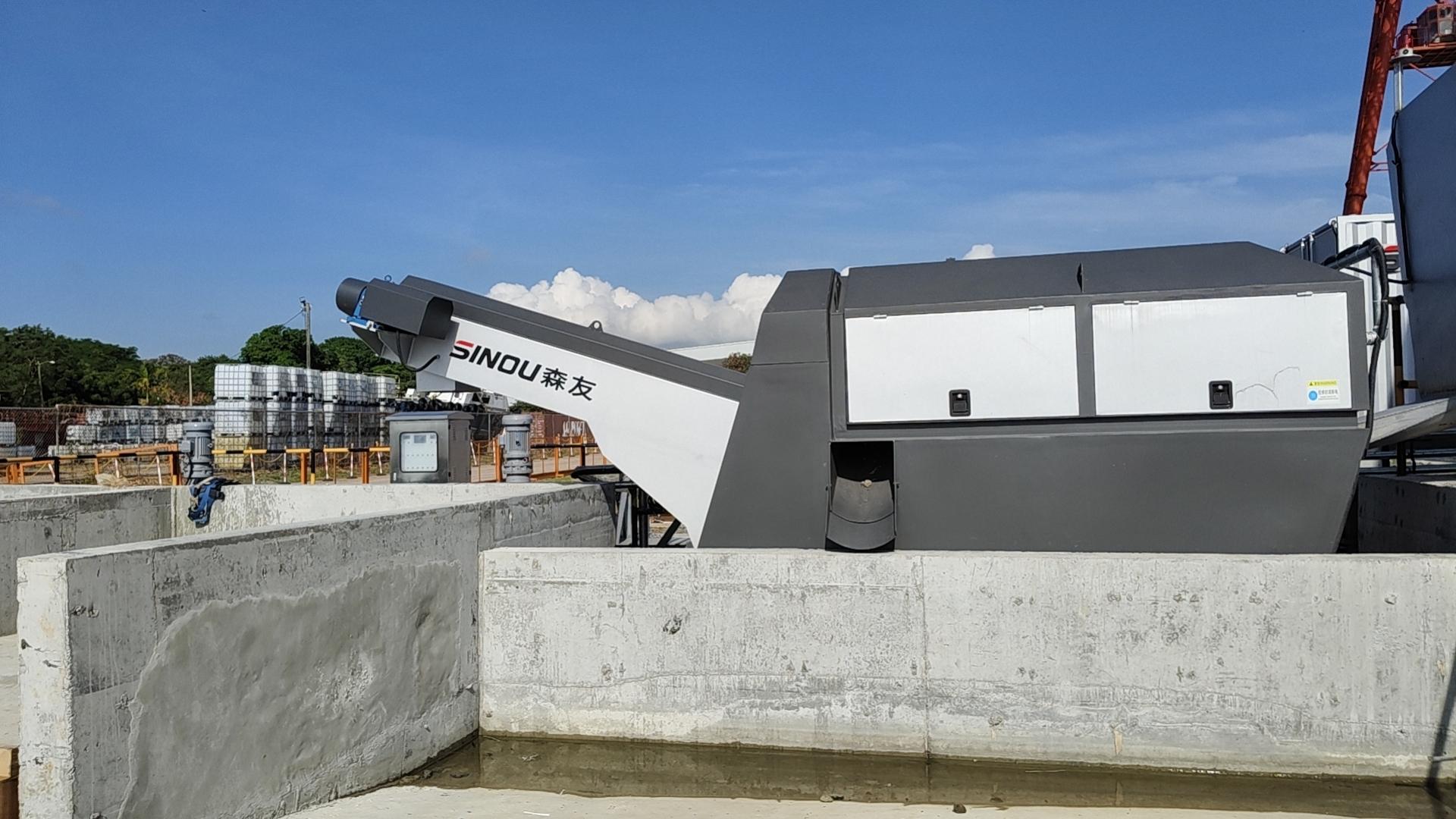
For years, the recycling industry has struggled with a painful paradox: the cleaner and more sorted the material, the more valuable it is—but getting it that pure often costs more than the end product can fetch. Traditional mechanical sorting hits a wall when faced with mixed plastics, composite packaging, or contaminated streams, leaving mountains of waste that are technically recyclable but economically hopeless. This new class of reclaimer tech changes the equation entirely, combining advanced sensor arrays, AI-driven air jets, and robotic arms that can identify and pluck out high-value polymers at a granularity that human sorters and older optics simply can't match.
What sets it apart is not just speed or accuracy, but the ability to adapt in real time to shifting waste composition—learning the signature of a new laminate or a sudden influx of black plastics without manual recalibration. The output is a stream of near-virgin-quality flakes ready for manufacturers who were previously forced to use pricey raw materials, turning a cost center into a revenue engine. Plant operators are now seeing payback periods shrink from decades to just a few years, attracting capital that once shunned the sector. Suddenly, high-grade recycling isn't a subsidized afterthought—it's a standalone business with margins that actually make sense.
Why More Sites Are Switching to Closed-Loop Aggregate Systems
Conventional aggregate processing often leaves behind a trail of waste, with wash water and fine particles ending up in lagoons or being trucked away. Closed-loop aggregate systems flip this entire model by capturing, cleaning, and recirculating nearly all the water used in production. That means less freshwater pulled from municipal supplies or natural sources, which is a growing concern in regions facing tightening environmental regulations or drought conditions. For many site managers, making the switch isn’t just about sustainability reports—it’s a direct response to rising water costs and the logistical headaches of handling slurry disposal. When you can turn what was once a waste stream into a reusable resource, the operational savings stack up quickly.
Another reason this approach is gaining ground is simply because it keeps the worksite cleaner and safer. Without open settling ponds or constant haul-offs, sites have more usable space and far fewer issues with runoff management. Equipment lasts longer, too, since recirculated water tends to be free of the corrosive chemicals that sometimes hitch a ride in raw groundwater. As a result, maintenance intervals can stretch out, and the whole system becomes less reactive. It’s a shift that rewards those who think beyond the obvious, turning a blind spot in traditional design into a real competitive edge.
Perhaps the most underrated advantage is the consistency it brings to the final product. When you’re working with recycled process water, the interaction between water chemistry and aggregate surfaces becomes predictable, leading to tighter control over gradation and fewer rejected loads. This kind of refinement didn’t use to be a priority, but as specs tighten across the industry, simply meeting baseline requirements no longer cuts it. Increasingly, the sites that stick with older open-loop methods find themselves fighting uphill against material quality issues that could have been engineered out from the start.
Smart Strategies for Reducing Contamination in Recycled Concrete
Effective management of incoming demolition debris is the first real line of defense. Instead of accepting mixed loads that bring unwanted materials like wood, gypsum, and plastics straight to the crusher, forward-thinking operators are setting strict source-separation requirements and visually inspecting each truck at the gate. Simple steps like designated drop zones for different material types and quick manual sorting before crushing can remove the bulk of impurities that would otherwise degrade the final product.
Advanced separation technologies are reshaping what is possible in a recycling yard. Water-based density separation systems, for instance, use upward currents to float off lightweight contaminants such as paper and foam, while heavier concrete sinks and is recovered. Eddy current separators efficiently pull aluminum and non-ferrous metals from the stream, and powerful magnets handle rebar and iron. These tools, once found only in state-of-the-art facilities, are becoming more accessible and are proving critical for producing high-grade recycled aggregates.
Precision handling on the crushing floor is just as important as mechanical cleanup. Many plants now run material through a series of size reduction steps, with scalping screens and air sifters placed at multiple points to remove fines and lightweight contaminants before they can be pulverized and spread evenly into the aggregate. This staged approach means that each piece of concrete is given the best chance to shed attached mortar, clays, and organics without over-crushing and embedding difficult-to-separate particles into the grain.
Beyond Compliance: How Sustainability Goals Are Driving Real Change
For years, corporate sustainability efforts were largely a box-ticking exercise—meeting minimum regulatory standards, publishing glossy CSR reports, and hoping no one looked too closely. That mindset is fading fast. Now, ambitious environmental and social targets are rewriting the rules of competition. Companies that once viewed sustainability as a cost center are discovering it can unlock new revenue streams, deepen customer loyalty, and sharpen operational efficiency. The shift is not about altruism; it is about recognizing that moats built on carbon-intensive processes or linear supply chains are eroding. Forward-thinking executives treat emissions reduction targets the same way they treat R&D milestones: as signals of future readiness.
This evolution is most visible in sectors like fashion and electronics, where circular design principles are moving from niche experiments to mainstream strategy. Instead of simply using recycled materials, brands are redesigning products for disassembly, creating take-back loops that turn used goods into valuable inputs. It is a radical departure from the days of incremental efficiency tweaks. Meanwhile, procurement teams are retooling entire supplier networks, not just to screen out bad actors, but to co-invest in regenerative agriculture or clean manufacturing capacity. These moves demand patience and upfront capital, but they also create stickier relationships and reduce exposure to volatile commodity markets.
Critically, the momentum is no longer driven solely by activist pressure or PR crises. It is being fueled by a quieter, more persistent force: risk management. Climate-related disruptions, resource scarcity, and shifting workforce expectations are becoming tangible balance-sheet concerns. Companies that set bold internal benchmarks—often surpassing what any law requires—are building the muscle to adapt before regulation forces their hand. The result is not just a cleaner footprint, but a more resilient organization that attracts talent, secures cheaper financing, and earns the benefit of the doubt in turbulent times. In this sense, sustainability goals have become the new strategic plan, quietly redefining what it means to be a durable business.
What a Decade of Innovation Tells Us About the Future of Concrete Recycling
The past ten years have reshaped how we think about construction waste, pulling concrete recycling from a niche concern into a central pillar of sustainable building. Early efforts were often crude, focusing on crushing debris for low-grade fill, but recent breakthroughs in processing technology now allow us to recover high-quality aggregates that rival virgin materials in strength and durability. This shift didn’t happen overnight—it came from relentless experimentation with advanced sorting systems, chemical treatments to loosen old cement paste, and smart crushing techniques that preserve the integrity of the original stone.
As we look ahead, the lessons from this decade of trial and error are crystal clear: the future hinges on designing concrete for disassembly from the start. Innovations like self-healing binders and modular precast elements are already pointing the way, making it easier to separate and reuse components without downgrading their performance. Meanwhile, carbon-capturing recycled aggregates are emerging as a dual-purpose solution, locking away CO₂ while reducing the need for energy-intensive virgin mining.
Perhaps most telling is the cultural shift within the industry. What began as a regulatory push has evolved into a genuine market pull, with architects and developers now demanding recycled content not just for compliance but for the competitive edge it offers. The next wave will likely blend digital tools—think blockchain-tracked material passports—with on-site mobile recycling units that close the loop in real time. If the last decade taught us anything, it's that concrete recycling isn't just about managing waste; it's about reimagining what our built environment can become.
FAQ
The core process involves crushing the returned concrete and then washing it through a series of screens and cyclones. This separates the sand and gravel from the cement slurry. Advanced reclaimers also use a flocculation system to recover water and return clean aggregates to stockpiles.
By reusing materials that would otherwise go to landfills, we cut down on mining for virgin resources. It also reduces the carbon footprint of construction projects since less energy is used in transporting and processing new materials. The closed-loop water system in our reclaimers drastically minimizes freshwater consumption on concrete plants.
We've integrated a high-frequency dewatering screen that produces aggregates with less than 10% moisture, making them immediately ready for reuse. Our automated control system adjusts separation parameters in real time based on material consistency, which consistently achieves over 99% recovery of sand and gravel.
The payback is seen in three areas: zero disposal costs for leftover concrete, drastically reduced purchases of new aggregates, and lower water bills. Many of our customers see a full return on their investment within 18 months, and the system adds a new revenue stream if they sell the recycled aggregates.
We design our units to keep all processing water in a closed circuit, with zero liquid discharge. The fine particles are filtered and compacted into a semi-solid cake that can be safely reused as a lime substitute. This meets even the strictest zero-waste mandates without any external runoff or contamination risk.
It's essential. Our reclaimers clean returned concrete with high-pressure spray bars, and the grey water is immediately pumped to a buffer tank where fine solids settle. The clarified water is reused for truck washouts, batching, or dust suppression. This can save a plant over a million gallons of fresh water per year.
Conclusion
Concrete reclaimers are fundamentally reshaping how the construction sector handles demolition debris. Instead of carting broken concrete to distant landfills, forward-thinking manufacturers now recover aggregates that are indistinguishable from—or even stronger than—quarried stone. Through smarter crushing, screening, and separation methods, what used to be a costly waste stream has become a reliable revenue source. Modern reclaimers can deliver precisely graded material with extremely low contamination, all while slashing water and energy use. That efficiency has made on-site closed-loop systems the go-to choice for more and more project teams: demolished slabs get processed right where they fall and immediately go into the next pour. Besides dodging hauling charges and tip fees, the practice trims carbon emissions tied to new extraction and truck miles.
But good equipment alone doesn’t guarantee clean aggregate. Contractors are adopting a mix of practical tactics to keep unwanted debris out—pre-sorting on the demolition floor, using magnets to catch metal fragments, and deploying sensor-based sorters that spot and eject wood, plastic, and drywall. That rigor is building market trust, and specifiers now routinely approve recycled concrete for everything from road base to structural elements. Meanwhile, sustainability ambitions are accelerating the trend. No longer content with box-ticking compliance, builders are chasing green certifications, shrinking their embodied carbon, and responding to clients who demand better environmental performance. Reflecting on ten years of progress, the road ahead points to even smarter machines that learn from every batch, tighter integration with digital construction tools, and a future where job-site waste is simply a design error—not an inevitability.
Contact Us
Contact Person: HaiYan
Email: [email protected]
Tel/WhatsApp: +86 18957325588
Website: https://www.senyoubeton.com/