
Cosmetic Tube Packaging Factory Redefining Premium Beauty Product Design
2026-08-16
In a market saturated with ordinary packaging, one Chinese factory is quietly rewriting the rules of luxury cosmetics. Sanrong Packaging has turned tube design into an art form, blending precision engineering with unexpected material textures that make consumers stop, touch, and remember. But what exactly does it take to elevate a humble tube into a premium brand statement? Here’s a closer look at the innovation reshaping beauty shelves worldwide.
The Unseen Details That Make a Cosmetic Tube Feel Expensive
Run your thumb along the edge of a cap that closes with a faint, cushioned click rather than a hard plastic snap. That single moment of resistance, the way the ridges align without a visible seam, tells you this tube was machined to tolerances most brands never bother to specify. It is not louder or heavier by accident; it is deliberate quiet luxury built into the part your fingers touch first.
Notice the shoulder where the tube narrows toward the nozzle. On cheaper packaging, this transition is abrupt, a molded step that catches light unevenly. Here, the curve is gradual and soft, almost like the neck of a glass bottle. The material has a slight give under pressure, then returns to shape without leaving a crease, which keeps the product from pooling around the opening. These are details no one photographs, but everyone feels when they squeeze.
Even the label sits slightly recessed into the surface, so the edge never lifts when the tube flexes. The printing has a fine, velvety tooth rather than a slick gloss, absorbing light instead of reflecting it. Turn the tube in your hand and the text stays crisp from every angle, a sign of multiple passes with low-ink coverage. None of this is obvious at first glance. It is the reason the object feels expensive without a single logo screaming for attention.
Why Your Luxury Formula Deserves More Than a Stock Tube
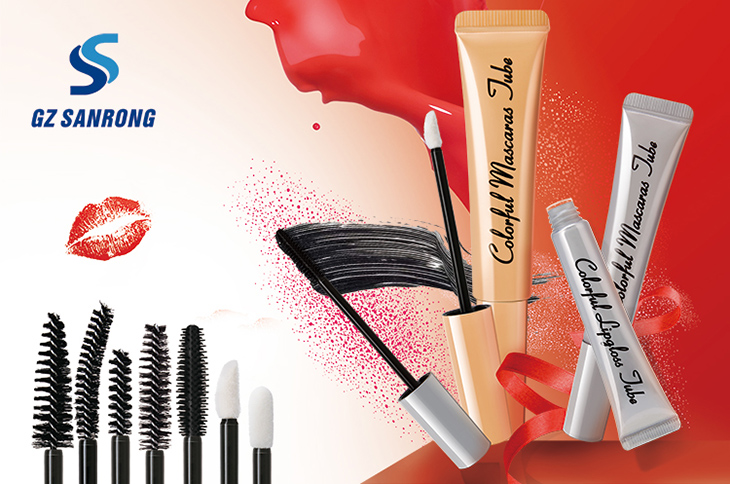
Most luxury skincare and cosmetic brands spend years perfecting a formula, then drop it into the same off-the-shelf tube a dozen other labels use. The disconnect is immediate: you can feel the thin plastic, the generic cap, the label that starts to peel at the edges. A stock tube doesn’t just undersell the product—it quietly signals that the inside isn’t worth a better container. For a formula built on rare ingredients or precise pH balancing, that mismatch erodes trust before the first application.
Custom packaging, on the other hand, lets the formula dictate the delivery system. A heavier wall, a soft-touch finish, a cap that clicks with intention—these aren’t decorative extras. They protect actives from light and air, control dosing, and give the ritual a weight that mirrors the price point. When the tube feels as deliberate as the cream inside, the entire experience becomes coherent. That coherence is what luxury buyers actually pay for.
From Prototype to Production: How Agile Factories Cut Launch Timelines
Moving a prototype into full production used to mean weeks of retooling, manual quality checks, and countless back-and-forth emails. Agile factories replace that with modular workcells and digital twin simulations. A design tweak made on Tuesday can be tested on virtual equipment overnight, then rolled out to a physical line by Thursday morning. The goal isn't just speed—it's keeping the original design intent intact while the factory adapts around it.
One overlooked factor is how these factories handle small-batch validation. Instead of waiting for a massive production run to uncover flaws, they run short cycles with real-time sensor data feeding back into the design loop. Engineers see temperature variance, torque drift, or material inconsistencies as they happen, not in a report two weeks later. That tight feedback shortens the gap between what works on a bench and what survives a real assembly line.
Suppliers get pulled into the process earlier, too. Agile factories often share live production dashboards with component vendors, so lead times shrink from months to days. When a bracket needs a slight geometry change, the vendor's CNC program updates the same afternoon. It's this blend of digital visibility and physical flexibility that lets a product jump from prototype to shipping without the usual dead weeks in between.
Material Innovation in Tube Packaging: Beyond Basic Plastic
Conventional polyethylene and polypropylene tubes are giving way to feedstocks that quietly lower carbon footprints without changing the familiar squeeze and roll-up behavior. Sugarcane-based PE has gained real traction because the plant absorbs CO₂ during cultivation, offsetting part of the resin’s upstream emissions. Meanwhile, mechanically recycled PCR content now appears in tube shoulders, caps, and sleeves at levels that would have been unthinkable a decade ago, with some suppliers exceeding 50% while still passing burst and drop tests.
Beyond swapping raw materials, manufacturers are rethinking the tube’s layered anatomy. Older barrier tubes often combined EVOH or aluminum with polyethylene, making the package nearly impossible to recycle in standard streams. Mono-material PE and PP tubes now use thin barrier coatings or carefully tuned crystallinity to achieve similar oxygen and moisture protection, while remaining compatible with existing recycling infrastructure. A quieter but equally important shift is lightweighting: micro-ribbed walls and foam-core sleeves trim resin use by up to a fifth without sacrificing grip or durability.
Paper-based tubes with ultra-thin plastic liners have moved from niche concepts into commercial production, cutting plastic weight by roughly half for products that do not demand aggressive barrier performance. On the more experimental end, PHA and PLA blends are appearing in limited runs for personal care and sunscreen, though their moisture resistance and shelf-life claims still require careful validation. The common thread is not a single miracle material but a portfolio approach—each tube chooses the least impactful structure that still protects the formula inside.
Sustainable Luxury: Can Eco-Friendly Tubes Still Look and Feel Premium?
For years, the unspoken rule in packaging was that recycled materials had to feel flimsy, thin, or slightly rough. That rule is breaking apart. A well-made eco tube can carry the same quiet weight as a conventional one if the walls are extruded from high-density bio-polyethylene or carefully sorted post-consumer resin with even wall thickness. Attention goes into the cap fit, the matte finish, and the way the tube springs back after a squeeze. None of that requires virgin plastic—it requires a manufacturer willing to tune the tooling and reject batches that feel hollow.
Premium cues have also shifted. Gloss and heavy metallic coatings are no longer the only signals of expense. A subtly textured surface, a muted mineral pigment, or an uncoated label can read as more considered, and these details align naturally with bio-based and recycled substrates. The real test is avoiding the cheap, papery feel that dogged early eco tubes. That's solved by layering materials, adding a slight radius to the shoulder, or using a denser grade of PCR that holds its shape under repeated use.
Touch is only part of the story. The click of a closure, the resistance of the squeeze, and the soft drag of a fingertip across the surface all feed into perceived quality. Brands that prototype these small interactions often find that an eco tube can outperform a glossier, lighter-feeling conventional tube. Sustainable luxury, then, isn't about making do with less—it's about using material limits as a reason to design more deliberately.
Engineering the Perfect Squeeze: Dispensing Systems That Protect Your Formula
The relationship between a formula and its dispensing system is often overlooked, yet it can make or break product integrity. Whether you’re working with a thick emulsion, a volatile serum, or a highly reactive active blend, the delivery mechanism must be tuned to the material's rheology and chemical sensitivities. A poorly matched pump or valve can introduce air, cause separation, or leach unwanted compounds into the formula—subtle failures that only become apparent weeks or months down the line.
At the heart of protective dispensing lies precision engineering: choosing materials that resist interaction with your actives, designing pathways that minimize shear and turbulence, and incorporating closure systems that prevent backflow or oxidation. For instance, airless bottles with multilayer collapsible bags keep oxygen away from fragile antioxidants, while spring-free valves in lotion pumps eliminate metal contact that could destabilize pH-sensitive formulas. Even the geometry of the nozzle matters—too wide and you invite contamination; too narrow and you create dead zones where formula can stagnate.
The goal is not just to move product from container to hand, but to preserve its intended character from first use to last. That means stress-testing the entire dispensing path: simulating repeated actuations, temperature swings, and partial fills. The best systems feel effortless to the user yet operate as guardians of the chemistry inside—delivering the same drop, the same texture, the same efficacy, every single time.
FAQ
Instead of offering generic stock tubes, the factory focuses on precision engineering and material innovation. Each tube is developed with the product's texture and dispense rate in mind, so a thick body butter gets a wider orifice while a fluid serum uses a controlled-flow nozzle. This detail-oriented approach reduces waste and elevates the daily ritual.
Premium is treated as a sensory experience, not just a price tag. The team experiments with soft-touch coatings, brushed metal accents, and weighted caps that feel substantial in the hand. Prototypes are tested under real bathroom conditions, including humidity and frequent opening, to ensure the luxury feel lasts until the last use.
The factory works with aluminum, PCR plastics, bio-based PE, and glass-like acrylics. Finishes range from matte UV lacquer and gradient spray to hot-stamped foil and debossed logos. Clients can mix finishes on a single tube to create contrast, such as a glossy shoulder with a velvet-textured body.
Yes, custom molds are built in-house for asymmetrical profiles, oval shoulders, or flat-cap designs that break away from the usual cylinder. For branding, the factory supports 360-degree printing, inside-tube messaging, and tactile QR codes that remain scannable even after repeated handling.
Sustainability is built into the structure rather than added as an afterthought. Options include mono-material tubes for easier recycling, refillable designs with replaceable inner cartridges, and lightweighting that reduces plastic by up to 40 percent while maintaining a rigid, premium shell. Water-based inks and solvent-free adhesives are standard.
It starts with a technical consultation to map product viscosity, fill temperature, and shelf-life needs. Sketches move to 3D renders, then functional prototypes are produced within two weeks. Clients receive a small batch for stability and drop testing before full production begins, with a dedicated engineer tracking every revision.
Each production run undergoes automated vision inspection for surface defects, leak tests under pressure and vacuum, and torque testing on caps. Samples from every batch are kept for twelve months to trace any issue back to a specific machine setting or material lot.
The factory offers low minimum order quantities starting at 5,000 tubes for select stock styles, along with shared tooling programs that make custom shapes more affordable. New brands also get guidance on filling compatibility and label adhesion, so they avoid costly mistakes during launch.
Conclusion
Luxury beauty is rarely about loud statements; it lives in the weight of a cap, the softness of a matte finish, and the exact resistance of a tube when you press it. A cosmetic tube packaging factory that truly understands premium design starts with these tactile details—things that don't show up on a spec sheet but define how a product feels in the hand. A stock tube can never carry a high-end serum or cream convincingly because it lacks the nuance of custom wall thickness, subtle shoulder geometry, and a coating that resists fingerprints while keeping its sheen. Small-batch prototyping through agile production lines also means a brand can move from formula lock to market-ready packaging in weeks, not months, without sacrificing the precision that makes the final piece feel considered rather than generic.
Material choices have shifted dramatically. Today's factories work with post-consumer recycled resins, bio-based polymers, and mono-material constructions that still deliver the soft-touch or high-gloss finishes associated with luxury. Sustainable doesn't have to mean rough or dull; the right extrusion and decoration techniques can make an eco-friendly tube indistinguishable from a conventional premium one. At the same time, the dispensing system is engineered as carefully as the outer shell—thin-wall orifices, airless mechanisms, and precision nozzles protect fragile actives from oxidation and contamination while giving the user a controlled, satisfying dose. It's this combination of sensible material science, fast turnaround, and obsessive attention to how the tube opens, squeezes, and closes that moves a product from ordinary packaging into a true extension of the brand.
Contact Us
Contact Person: Alex Wu
Email: [email protected]
Tel/WhatsApp: 86-20-37965868
Website: https://www.gzsanrong.com/en.html