
Earthing Switches: Essential Safety Equipment for Electrical Systems
2026-01-23
Have you ever wondered what keeps high-voltage electrical systems safe during maintenance or emergencies? At the heart of this critical safety mechanism lies a component often overlooked yet indispensable: the earthing switch. These devices play a vital role in grounding electrical circuits, preventing dangerous voltages from lingering and protecting both equipment and personnel. In this blog, we delve into why earthing switches are essential safety equipment, exploring their function, applications, and the innovative solutions offered by leaders in the field like Lugao. Whether you're an engineer, a facility manager, or simply curious about electrical safety, join us as we uncover the key aspects that make earthing switches a cornerstone of reliable power systems. Stay tuned to learn how integrating advanced earthing technology can enhance safety and efficiency in your operations.
Understanding Earthing Switches: A Crucial Component for Electrical Safety
Earthing switches, often overlooked in power system discussions, play a vital role in ensuring safety during maintenance and fault conditions. While circuit breakers handle the active flow of electricity, earthing switches are designed to safely ground equipment, preventing accidental re-energization and protecting personnel from electric shocks. They are typically installed alongside disconnectors or isolators, creating a secure environment for technicians to work on de-energized lines without the risk of stray currents. Without these devices, routine inspections and repairs could become hazardous endeavors, risking both human life and infrastructure integrity.
What sets earthing switches apart is their ability to handle high fault currents, making them essential in scenarios like short circuits or lightning strikes. Unlike simple grounding rods, they are engineered to withstand the mechanical and thermal stresses of sudden surges, ensuring that excess energy is safely dissipated into the earth. This capability isn't just about compliance with safety standards—it's a practical necessity in industrial settings where downtime from electrical accidents can lead to significant financial losses. By providing a reliable path for fault currents, earthing switches help maintain system stability and prevent cascading failures that might otherwise cripple an entire grid.
In practice, the installation and operation of earthing switches vary based on application, from substations to renewable energy plants. Their design often includes features like visible breaks to confirm grounding status, adding an extra layer of assurance for operators. By integrating these switches into safety protocols, industries can foster a culture of proactive risk management, moving beyond reactive measures to prevent incidents before they occur. Ultimately, understanding their function highlights how even small components contribute to the broader goal of robust electrical safety.
How Earthing Switches Prevent Accidents in High-Voltage Systems
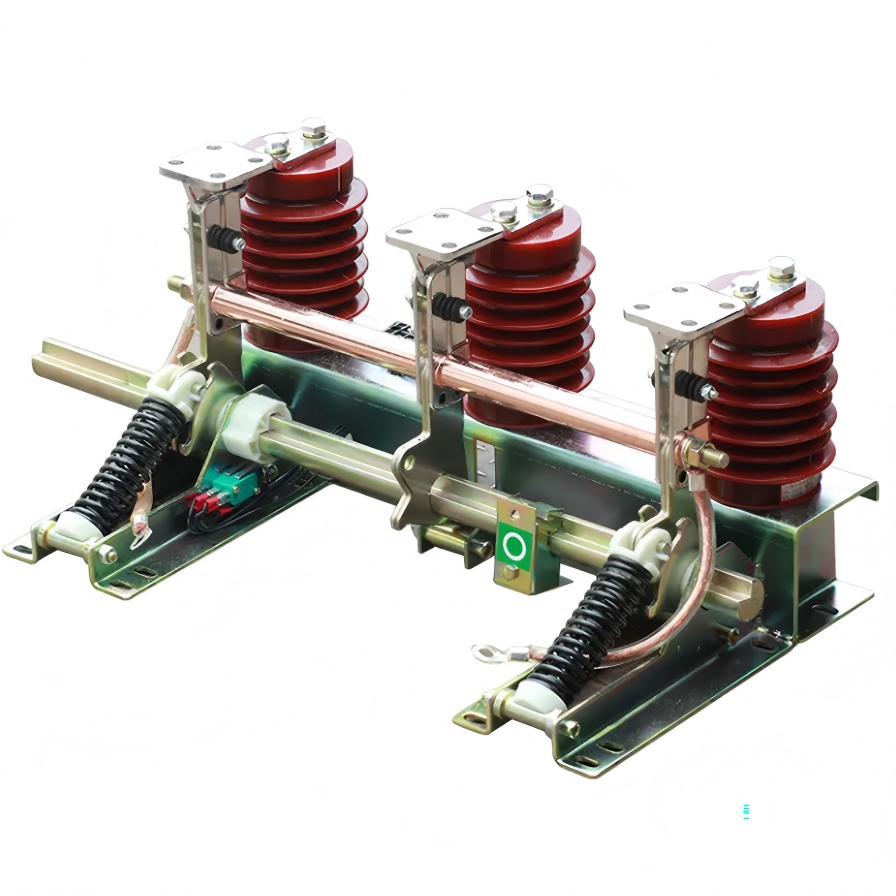
In high-voltage electrical systems, earthing switches play a crucial role in enhancing safety by providing a reliable path to ground during maintenance or fault conditions. These devices are strategically installed within switchgear to isolate sections of the circuit, allowing technicians to work on de-energized equipment without the risk of electrical shocks. By connecting live parts to earth, earthing switches effectively neutralize any residual voltage that might linger, ensuring that the environment remains hazard-free for personnel. This proactive measure is essential in preventing accidents that could arise from unexpected power surges or accidental re-energization, making them a cornerstone of operational safety protocols in industries like power generation and transmission.
Beyond mere isolation, earthing switches contribute to system stability by minimizing the potential for arc flashes and other dangerous phenomena. When a fault occurs, these switches can quickly divert fault currents to ground, reducing the duration and intensity of electrical disturbances. This rapid response helps protect sensitive equipment from damage and limits the spread of faults across the network. In practice, this means fewer disruptions to power supply and a lower likelihood of cascading failures that could lead to broader accidents or outages. Their design often incorporates robust mechanisms to withstand harsh conditions, ensuring reliable performance even under stress.
Moreover, the integration of earthing switches with modern control systems allows for enhanced monitoring and automation, further reducing human error. By providing clear visual or electronic indications of grounding status, they enable operators to confirm safe conditions before proceeding with tasks. This level of verification is vital in complex high-voltage setups where multiple safety layers must align to prevent catastrophic incidents. As technology evolves, these devices continue to incorporate innovations like remote operation and data logging, which help refine safety practices and adapt to emerging challenges in electrical infrastructure management.
Types of Earthing Switches Used in Modern Power Grids and Facilities
In the fast-paced world of high-voltage power systems, earthing switches emerge as indispensable tools for ensuring operational safety and maintenance readiness. Rather than a one-size-fits-all solution, modern grids and facilities deploy a variety of these switches, each tailored to specific voltage levels and installation environments—be it in substations, transmission lines, or industrial plants. The diversity stems from unique engineering demands, such as the need for rapid disconnects during fault conditions or integration with automated control systems, making them far more than simple backup devices.
Take maintenance earthing switches, for example, which are commonly installed in substations to safely ground equipment like transformers and circuit breakers before servicing. Their robust construction handles heavy currents, ensuring workers can carry out repairs without the fear of unexpected energization. Meanwhile, portable or temporary earthing switches offer flexibility in field operations, allowing crews to establish grounding points on otherwise live systems during emergency fixes or upgrades. Innovations here include lightweight materials and ergonomic designs that boost efficiency without compromising on safety protocols.
Beyond these traditional types, the rise of smart grids has spurred the development of fault-making earthing switches, capable of intentionally creating a short-circuit to isolate faults and protect the wider network. Paired with sensors and real-time monitoring, these advanced switches minimize outages and enhance grid resilience. From heavy-duty permanent installations to agile, tech-enhanced variants, the array of earthing switches reflects the evolving landscape of power management, where precision and adaptability are key to keeping electricity flowing smoothly and safely.
Installation and Maintenance Guidelines for Reliable Earthing Switch Operation
Proper installation is crucial for ensuring the dependable performance of earthing switches in electrical systems. Start by verifying that all components, such as contacts and insulation materials, are free from damage and contamination before assembly. Position the switch in a clean, dry location to prevent moisture or dust buildup, which can lead to malfunctions or safety hazards. For example, in a substation setting, securing the switch on a stable mounting surface with correct alignment ensures smooth operation and minimizes mechanical stress during switching cycles.
Regular maintenance plays a key role in extending the lifespan and reliability of earthing switches. Schedule periodic inspections to check for signs of wear, corrosion, or loose connections—common issues that can degrade performance over time. Testing the switch's operation under load conditions helps identify potential problems early, such as improper grounding or electrical arcing. A practical tip: keep a maintenance log to track these checks and any adjustments made, which can provide valuable insights for troubleshooting and optimizing future operations.
To stand out from generic guidelines, consider integrating advanced practices like predictive maintenance using sensors to monitor switch conditions in real-time. This approach allows for proactive adjustments, reducing unplanned downtime and enhancing safety. Additionally, tailor maintenance routines based on the specific environment—for instance, switches in coastal areas may require more frequent cleaning to combat salt corrosion. By combining thorough inspections with innovative strategies, you can achieve a more resilient and efficient earthing switch system that adapts to real-world challenges.
Real-World Applications: Where Earthing Switches Make a Difference
In the realm of electrical engineering, earthing switches play a pivotal role in ensuring safety and reliability across diverse industries. For instance, in power substations, these devices are critical for creating a safe environment during maintenance by grounding circuits to prevent accidental energization, thus protecting personnel from electrical hazards. This application extends to renewable energy systems, such as wind and solar farms, where earthing switches help manage fault currents and maintain grid stability, enabling efficient integration of green energy into existing infrastructure.
Moving beyond large-scale utilities, earthing switches find practical use in industrial settings like manufacturing plants and data centers. Here, they are employed to safeguard expensive equipment from voltage surges and to ensure operational continuity by quickly isolating faulty sections during electrical disturbances. Their deployment in railway electrification systems further underscores their versatility, where they help prevent accidents by grounding overhead lines during repairs or emergencies, contributing to enhanced public safety and reduced downtime in transportation networks.
In everyday applications, earthing switches are also instrumental in residential and commercial buildings, working behind the scenes to protect against electrical fires and shocks. They are integrated into electrical panels to provide a failsafe mechanism that redirects excess current to the ground, mitigating risks in homes and offices. This widespread adoption highlights how these unassuming components are fundamental to modern electrical safety, making tangible differences in both specialized industries and common environments by blending innovation with practical reliability.
Future Trends and Innovations in Earthing Switch Technology
The landscape of earthing switch technology is shifting toward smarter, more responsive designs that integrate seamlessly with modern power grids. Instead of just acting as safety devices, these switches are evolving into diagnostic tools—capable of monitoring insulation conditions and predicting maintenance needs. Imagine a substation where switchgear not only grounds circuits but also alerts operators to potential failures before they escalate, cutting downtime by half. This move from reactive to proactive systems is driven by the demand for greater grid resilience in an era of extreme weather and renewable energy integration.
Another key innovation lies in materials science, with research pushing the boundaries beyond traditional copper and steel. New composites and coatings are emerging to enhance durability and reduce environmental impact, especially in harsh offshore wind farms or remote locations. Some prototypes even incorporate superconductors, enabling faster switching times and lower energy losses—a game-changer for high-voltage applications. As regulations tighten around sustainability, manufacturers are also exploring eco-friendly designs that minimize resource use and recyclability, ensuring longevity without compromise.
Looking ahead, the convergence of IoT and earthing switches promises a revolution in real-time data analytics. Future models might feature embedded sensors that communicate directly with cloud platforms, allowing for remote adjustments and automated responses to grid fluctuations. This isn't just about upgrading hardware; it's about creating an interconnected ecosystem where safety and efficiency coexist. By blending these trends, the next generation of earthing switches will redefine reliability, making power systems not only safer but also more adaptable to our electrified world.
FAQ
Earthing switches are primarily used to safely discharge residual voltage from equipment by connecting it to the ground, ensuring personnel safety during maintenance.
While disconnectors isolate circuits for operational purposes, earthing switches specifically ground equipment to eliminate electrical hazards, often working in conjunction with disconnectors for comprehensive safety.
High-voltage systems often feature fast-acting and maintenance earthing switches, with fast-acting types designed for rapid operation to protect against faults, and maintenance types used during repairs.
In substations, earthing switches prevent accidental energization of de-energized equipment, reducing risks of electric shock and arc flashes for workers performing inspections or repairs.
Yes, automated earthing switches allow remote or programmed operation, enhancing safety by minimizing manual intervention and enabling quicker response in emergency scenarios.
Regular inspections for corrosion, lubrication, and operational testing are key to ensure earthing switches function reliably, as failure could compromise entire electrical safety protocols.
Conclusion
Earthing switches serve as indispensable safety components in electrical systems, grounding live conductors to eliminate hazardous voltages during maintenance or faults. Their pivotal role extends across various high-voltage settings, ensuring personnel safety and preventing catastrophic accidents by isolating electrical energy. Beyond basic safety, these switches support reliable grid operation, from power generation plants to industrial facilities, demonstrating their versatility and critical importance in modern electrical infrastructure.
Advancements in earthing switch technology, including diverse types like portable and fixed models, enhance adaptability to specific applications. Proper installation and maintenance are essential for optimal performance, as real-world cases show how these switches mitigate risks in complex systems. Emerging trends focus on smart, automated solutions, promising greater efficiency and resilience for future power networks, solidifying their status as essential equipment in evolving electrical safety standards.
Contact Us
Contact Person: Doreen
Email: [email protected]
Tel/WhatsApp: 8618057712366
Website: https://www.liugaopower.com/