
Laser Allergy Relief: Which Option Is Right for You?
2026-07-27
If you're one of the millions suffering from seasonal or year-round allergies, you know the frustration of endless sneezing, itchy eyes, and congestion that pills and sprays can't always fix. Laser allergy relief is emerging as a promising drug-free alternative, but with different technologies like photobiomodulation and laser acupuncture, how do you choose? This guide breaks down the options so you can find what truly works—and discover the precision of GUANG TAI devices trusted by professionals worldwide.
How Laser Allergy Relief Works at a Cellular Level
Laser allergy relief uses specific wavelengths of light to interact with cells involved in allergic reactions, primarily mast cells and basophils. These cells are loaded with histamine and other inflammatory mediators. When the coherent light hits the tissue, it is absorbed by chromophores within the mitochondria, triggering a cascade of photochemical reactions. This boosts adenosine triphosphate (ATP) production, enhancing cellular metabolism and promoting repair. The increased energy helps stabilize mast cell membranes, reducing their tendency to degranulate and release histamine unnecessarily.
Beyond mast cell stabilization, the treatment modulates intracellular signaling pathways. It affects calcium ion flux and reactive oxygen species (ROS) balance, blunting the hyper-reactivity of immune cells. At the same time, laser light stimulates the production of anti-inflammatory cytokines while downregulating pro-inflammatory ones. This shifts the local tissue environment from a state of chronic allergic inflammation toward one of balance and healing. Essentially, it recalibrates the cellular machinery, so the body responds more appropriately to harmless triggers like pollen or pet dander.
Another key aspect is the influence on lymphatic drainage and microcirculation. The energy encourages mild vasodilation and improves blood flow, which helps clear away accumulated allergens and inflammatory debris from the affected tissues—such as nasal passages or bronchial linings. Improved lymphatic function means immune complexes and excess fluid are removed more efficiently, reducing swelling and congestion. Over time, this consistent cellular assistance can retrain the local tissue to maintain a calm, tolerant state rather than mount an aggressive allergic response with every exposure.
Comparing Low-Level Laser Devices for Home vs. Clinic Use
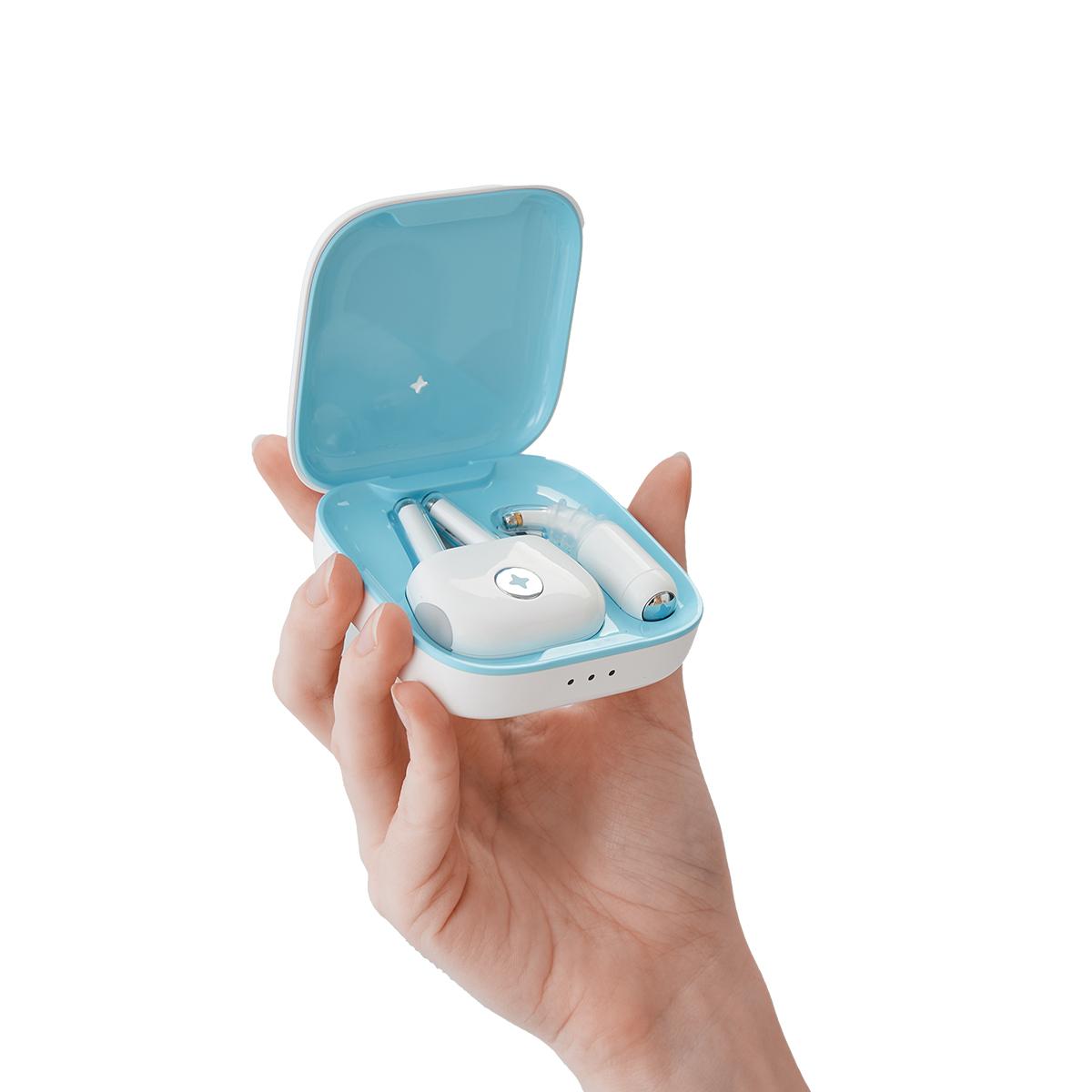
When weighing the choice between a home-use low-level laser device and a professional clinic treatment, power and precision are usually the biggest differentiators. Clinic-grade units often have higher output and more targeted applicators, allowing a trained practitioner to address specific areas with greater intensity. This can translate to faster results, but it also means scheduling appointments and paying per session. Home devices, in contrast, are designed for safety and convenience, operating at lower intensities that require more frequent and longer sessions to achieve comparable effects over time.
The experience itself diverges considerably. A clinic visit brings expert oversight—the operator can adjust protocols, combine therapies, and immediately handle any skin reactions. For many, this professional reassurance justifies the higher cost per session. At home, you trade that oversight for privacy and a relaxed, self-paced routine. The treatment becomes part of your daily or weekly self-care ritual rather than a medical appointment, which can improve consistency for some users but also demands self-discipline to stick with the schedule.
Cost structures are often the practical deciding factor. Clinic treatments present an ongoing expense that accumulates, whereas a home device is a one-time purchase—though quality home units still represent a significant upfront investment. It’s also worth considering the technology’s lifespan and what new research might refine in the coming years. Ultimately, neither option is universally superior; it’s about matching the device’s capabilities to your lifestyle, comfort with technology, and how much value you place on professional supervision versus the freedom of treating on your own terms.
What a Typical Treatment Cycle Looks Like
A typical treatment cycle often begins with a thorough baseline evaluation, which may include blood work and imaging to tailor the protocol to your body. From there, most cycles span roughly four to six weeks, though the rhythm can shift depending on how your ovaries respond. You'll usually start with daily hormone injections for about ten to twelve days, designed to encourage multiple follicles to mature. During this stretch, brief monitoring appointments every couple of days let the clinic track your progress and make any necessary medication adjustments.
Once the follicles are ready, a trigger shot prompts final maturation, and roughly thirty-six hours later, the egg retrieval takes place. This is a short procedure, often under light sedation, and most people head home within an hour or two. While you're recovering, the lab handles fertilization and watches the embryos develop—typically for five to six days. If you're doing a fresh transfer, one embryo (or sometimes two) is placed into the uterus a few days after retrieval; otherwise, promising embryos are frozen for a later cycle.
The final stage is the two-week wait before a pregnancy test. Those days can feel long, and it's normal to notice mild cramping, bloating, or spotting, which may be early signs or simply side effects from earlier medications. Every cycle carries its own set of emotional and physical twists, and clinics often have a nurse coordinator you can reach with questions at any point. While the overall roadmap is similar for many, the experience is deeply personal, and your care team will adapt each step to keep the process as smooth as possible.
Allergy Types That Respond Best to Laser Therapy
Laser therapy has shown particularly impressive results for individuals dealing with seasonal allergies, especially those triggered by pollen and grass. The precision of the laser allows it to target the specific nasal and sinus tissues that overreact during high-pollen seasons, calming the hypersensitivity without affecting surrounding areas. Patients who typically rely on daily antihistamines often find that after a series of treatments, their dependence on medication drops dramatically, and symptoms like sneezing fits and itchy, watery eyes become far less intrusive in their daily lives.
Another group that sees substantial benefit includes people with pet dander allergies. Whether it's cats, dogs, or other furry companions, the constant exposure at home can make life miserable. Laser therapy works by reducing the inflammatory response in the nasal passages when allergens are encountered, essentially retraining the body's immune system to react less aggressively. Many pet owners report that after completing their sessions, they are able to spend time with their animals without the usual congestion, wheezing, or skin irritation, which often feels like a transformative change for those who had considered rehoming their pets.
Mold allergies, which tend to be persistent and difficult to evade, also react favorably to laser intervention. Because mold spores are ubiquitous in damp environments, sufferers frequently deal with year-round symptoms that don't respond well to standard avoidance strategies. The laser's anti-inflammatory effect on the mucous membranes provides long-lasting relief, and some studies suggest it may even help modulate the immune markers responsible for the chronic sensitivity. Patients with mold allergies typically notice a gradual but steady improvement, with fewer sinus infections, less post-nasal drip, and a marked reduction in that constant state of fatigue associated with allergic inflammation.
Laser, Pills, or Shots: Sorting Through the Trade-Offs
Finding the right treatment often means weighing the very tangible differences between a quick in-office procedure, a daily pill, or an occasional injection. Lasers promise precision, targeting specific trouble spots with minimal systemic impact, but the cost and downtime can be a deal-breaker. Pills slip easily into a morning routine, yet their effects ripple through your entire body, sometimes bringing side effects you never signed up for. Shots, on the other hand, offer a middle ground—lasting results without daily discipline, but the needle itself can be a hurdle.
The real trade-off usually comes down to how much convenience you’re willing to sacrifice for control. Lasers hand the control to a specialist and ask you to make peace with recovery time. Pills put you in the driver’s seat every single day, which sounds great until you forget a dose or grow tired of the ritual. Injections relieve you of that daily burden but tie you to a clinic visit or a nerve-wracking self-administered moment every few weeks. None of these paths is inherently better—it’s about which set of annoyances you can actually live with.
Cost, both immediate and long-term, adds another layer to the decision. A laser session might dent your wallet significantly upfront, yet it could be a one-and-done deal. Pills seem cheap at the pharmacy counter, but years of refills quietly stack up. Shots often land somewhere in between, with a higher price tag but fewer doses. Beyond money, there’s the invisible cost of your attention—what you lose when you’re constantly managing a treatment instead of just living your life. Before deciding, it helps to ask yourself not just what you’re solving, but what you’re willing to put up with in the process.
Vetting a Specialist Without Falling for Hype
Real expertise rarely announces itself with flashy promises or exaggerated credentials. The most reliable specialists tend to understate their capabilities while overdelivering on results. Instead of getting swept up in slick marketing or bold guarantees, focus on tangible evidence of their work. Look for concrete examples that demonstrate deep understanding, not just rehearsed talking points. When someone can explain a complex concept in simple terms without relying on buzzwords, that’s often a stronger signal than any certificate on the wall.
Pay attention to how they handle uncertainty. A genuine expert feels comfortable admitting when something falls outside their wheelhouse, rather than pretending to have all the answers. This intellectual honesty is rare and worth its weight. You might also watch for their reaction to thoughtful questions—do they welcome the scrutiny or deflect with vague reassurances? How they engage reveals more than any polished pitch ever could.
Finally, value substance over presentation. A specialist who focuses on understanding your specific context before proposing solutions shows they’re not just running a script. The best professionals earn trust through quiet competence, not noise. Measure them by the depth of their insights and the clarity they bring, not by how much they impress in a first meeting.
FAQ
Laser allergy therapy uses low-level light applied to acupuncture points or directly on the skin to desensitize your body to allergens. Unlike allergy shots that introduce allergens into your system, laser treatments aim to rebalance the body's reactions without needles or medication.
Yes. The most common are cold lasers and bioresonance lasers. Cold lasers use specific wavelengths to stimulate cells, while bioresonance devices pair the laser with electromagnetic frequency patterns of allergens. Some clinics also use erbium or CO2 lasers for nasal tissue reshaping in severe sinus cases.
A session usually takes 10 to 20 minutes. You'll typically need 8 to 12 sessions over a few weeks to start, with occasional maintenance visits later. The exact number depends on your sensitivity and how your body responds.
For most people, it's very safe. Side effects are rare but can include mild redness or a temporary increase in allergy symptoms as the body adjusts. It's non-invasive and doesn't damage tissue, but you should always check that your practitioner is properly trained.
It's mainly used for environmental allergies like pollen, dust, and pet dander, as well as some food sensitivities. It's less proven for severe food allergies that cause anaphylaxis, so those cases still require strict avoidance and emergency plans.
If you've tried antihistamines or sprays without lasting relief, or you want a drug-free alternative to shots, it might be worth exploring. A consultation with a specialized practitioner can help determine if your specific triggers and health status make you a good fit.
Studies show mixed but promising results. Some clinical trials report significant symptom reduction for seasonal allergies, while others find little difference from placebo. Much depends on the technique and the individual. It's considered a complementary approach rather than a guaranteed cure.
Costs vary widely by location and provider, but generally range from $50 to $150 per session. Since many insurance plans don't cover it, you'll likely be paying yourself. Ask about package pricing, which can reduce the per-session cost.
Conclusion
Laser allergy relief works by delivering specific wavelengths of light into tissue, where it's absorbed by cellular components like mitochondria. This interaction seems to calm the hyperactive immune response that drives allergy symptoms, reducing inflammation and curbing the release of histamines. It's not a magic wand—you don't walk in sneezing and walk out cured. Instead, the therapy gradually retrains cells over multiple sessions, making it most effective for seasonal allergies, pet dander, and mild to moderate reactions. For severe food or drug allergies, it's generally not the first line of defense. When choosing a device, the real split comes down to convenience versus intensity. Home units are small, handheld, and designed for daily use, but they use lower power and require longer, more frequent sessions. Clinic-based lasers are stronger and can target deeper tissue, often meaning fewer overall treatments, though each session costs more and demands your time in an office.
A typical treatment plan starts with two to three sessions a week for about a month, then tapers off to maintenance. Some people notice a difference within a couple of weeks, while others need the full cycle. Compared to antihistamines that mask symptoms or immunotherapy shots that demand a lengthy commitment, laser therapy sits in an interesting middle ground. It's drug-free and has almost no side effects, but it's not as instantly gratifying as a pill, nor does it promise the long-term desensitization that shots can provide. Pinning your hopes on a dodgy practitioner, though, can derail the whole thing. Look for a specialist who's transparent about what lasers can and can't do for your specific allergy profile. A red flag is anyone who guarantees a cure or pushes a package deal without a proper assessment. The sensible approach is to weigh the daily hassle of allergies against the time and money you're willing to invest, then decide if a home device fits your lifestyle or if the clinic's extra power justifies the trips.
Contact Us
Contact Person: Leon Yi
Email: [email protected]
Tel/WhatsApp: +86 17363316873
Website: https://zzgt.en.alibaba.com/