
Laser Hair Removal Glasses Factory Insights: Crafting Safe and Effective Protective Eyewear
2026-07-28
When it comes to laser hair removal, safety is non-negotiable—and that starts with the right protective eyewear. But have you ever wondered what goes on behind the scenes to craft glasses that truly shield your eyes? In this blog, we take you inside the world of LASERPAIR factory, where precision engineering meets rigorous safety standards to deliver eyewear you can trust. Get ready to uncover the secrets behind safe and effective laser hair removal glasses.
What Most Buyers Overlook About Laser Safety Eyewear
Many buyers fixate on optical density and wavelength coverage, overlooking how frame design and lens tint actually affect daily usability. A pair that technically blocks the laser but is uncomfortable or distorts color perception will likely be left in a drawer. Wraparound styles with adjustable temples and soft nose bridges encourage consistent wear, while specialized tints can preserve natural color recognition without compromising protection. If the eyewear feels like a hindrance, even the highest-rated filter becomes useless in practice.
Another subtle point is the degradation of protective lenses over time. Scratches, chemical exposure, and prolonged UV can create microscopic flaws that weaken the material's ability to absorb laser energy. Inspecting eyewear under a bright light for stress cracks or clouding should become routine, yet few users do this. Some manufacturers provide a lifespan estimate based on lab testing, but these numbers assume ideal storage and careful handling—conditions rarely met in fast-paced workshops or field environments.
Buyers also miss the importance of fit over prescription glasses or other PPE. Ill-fitting overlap can create gaps that allow stray reflections to sneak in at the temples or brow line. Trying on laser safety glasses while wearing a face shield, respirator, or corrective lenses reveals whether the combination can be safely integrated into real working conditions. It’s worth requesting samples from suppliers to test not just the optical specs, but the practical ergonomics before committing to a bulk purchase.
The Link Between Lens Quality and Practitioner Performance
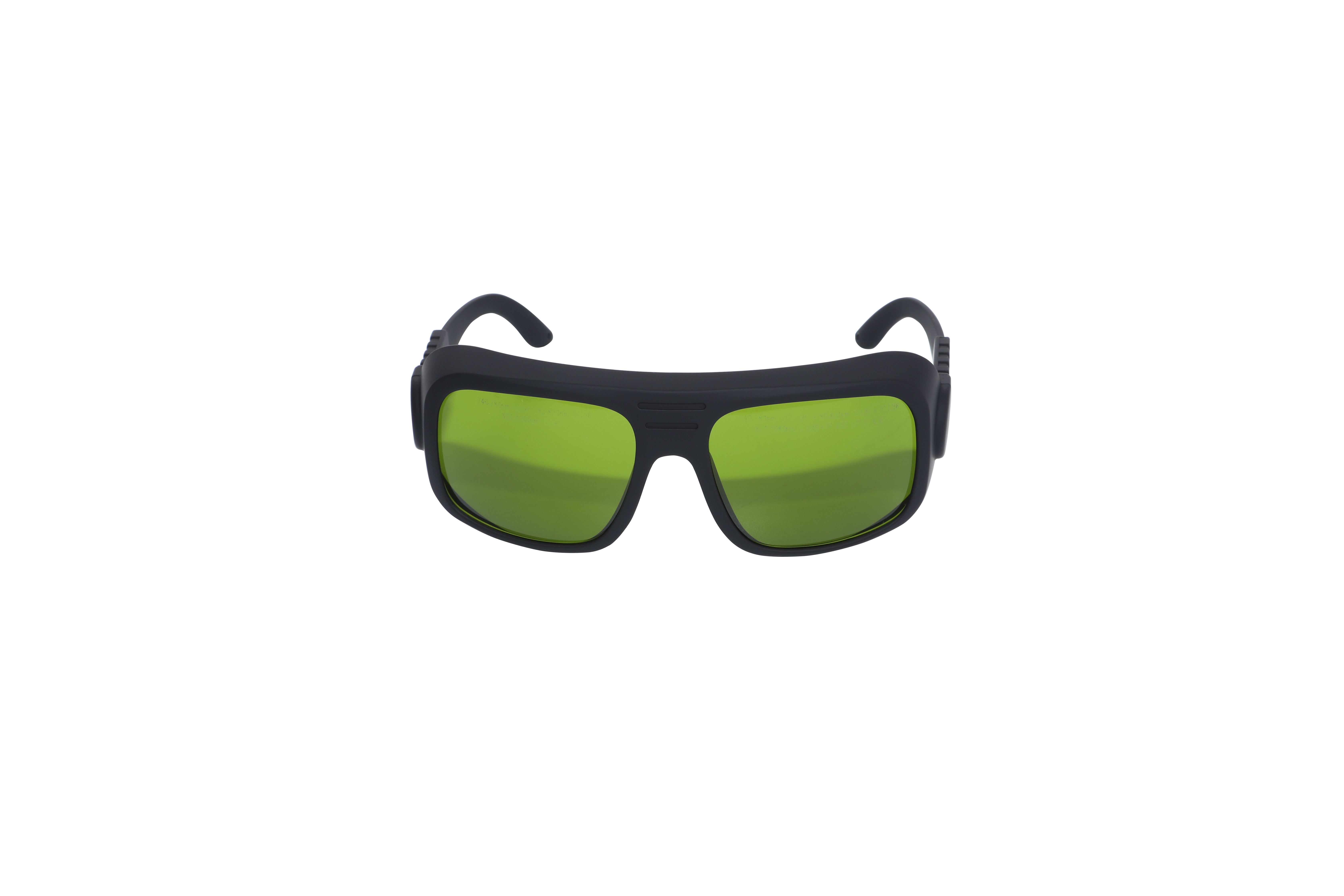
In any field that relies on visual precision, the quality of the lens serves as the silent partner to a practitioner's skill. A superior lens resolves minute details, maintains contrast in challenging light, and minimizes distortion, allowing professionals to interpret subtle cues that might otherwise go unnoticed. Whether it's a surgeon navigating delicate tissues, a quality inspector scanning for microfractures, or a cinematographer framing a critical scene, the glass they look through directly shapes their decision-making speed and accuracy. When the image is crisp and true-to-life, cognitive load decreases, leaving more mental room for the complex judgments that define expert performance.
Conversely, even the most experienced practitioner can be undermined by subpar optics. Soft edges, chromatic aberration, or insufficient light transmission force the brain to work overtime compensating for visual noise, leading to fatigue and an uptick in errors over prolonged sessions. This degradation is often subtle at first—a slight misjudgment of depth, a missed irregularity—but accumulates into concrete performance gaps. In high-stakes environments, the lens isn't just a tool; it's a critical link in the chain of perception, where optical shortcomings directly translate to flawed outcomes.
Consider the ergonomic dimension as well: a thoughtfully designed lens system that delivers consistent clarity across the field of view allows practitioners to maintain natural posture and steady focus. Instead of squinting, refocusing, or repositioning to compensate for optical weaknesses, they can remain fully immersed in the task. This seamless interaction between instrument and user fosters a state of flow where technical proficiency meets effortless execution. The investment in premium glass, therefore, is not merely about hardware specifications—it's an investment in human reliability and peak professional delivery.
Inside a Cleanroom: Where Contamination Isn't an Option
Walking into a cleanroom feels like stepping onto another planet. The air is heavy with stillness, filtered thousands of times per hour until every cubic foot contains just a handful of particles too small for the eye to see. Employees shuffle in wearing head-to-toe suits that leave nothing exposed, their breath captured behind multiple layers of fabric. Every movement is deliberate, every surface a potential threat. A simple scratch of the skin or a mote of dust from a notepad could halt production or ruin a batch of sensitive microchips. The environment doesn’t forgive carelessness—it demands a mindset where every action is weighed against the invisible enemy of contamination.
The rigor extends well beyond the bunny suits and sticky floor mats. From the choice of writing tools to the way someone walks, every detail is engineered to minimize risk. Paper is banned—lint-free alternatives take its place. Makeup, cologne, and even certain fabrics are forbidden outside because they shed too much. Cleaning protocols border on ritualistic: wipes move in precise, overlapping strokes with specialized solutions, and surfaces are tested constantly with particle counters. For those who work inside, it becomes second nature, a kind of hyper-awareness that doesn’t switch off when the airlock cycles them back into the regular world. There, in that sealed bubble, purity is the product, and one mistake is all it takes to break the chain.
How Small Design Tweaks Reduce Eye Fatigue Over Time
Subtle adjustments in interface design can dramatically lessen the strain on our eyes during prolonged screen use. Increasing contrast ratios just enough, shifting color temperatures toward warmer hues, and fine-tuning font weights are not radical changes—they’re almost invisible—but they allow our eyes to work less to extract information. Over hours of reading or designing, this reduced effort prevents the gradual buildup of tension that leads to headaches and blurred vision.
Spacing and alignment also play a quiet role. Generous padding around text blocks and consistent vertical rhythm reduce the micro-movements our eyes make when scanning a page. Every tiny adjustment away from optimal positioning adds up, forcing the ciliary muscles to constantly adapt. Thoughtful layouts that respect natural reading patterns keep the eyes in a relaxed, neutral state, making marathon work sessions feel less punishing by day’s end.
The Truth About "Universal Fit" and Why Customization Matters
The phrase "universal fit" sounds reassuring—one product that works for everything, no hassle. But in reality, it's often a compromise. What fits "most" rarely fits any single situation perfectly. Gaps, awkward adjustments, and premature wear are common when products are stretched to cover too many bases without specific engineering.
Customization, on the other hand, starts with your exact needs. Instead of settling for an approximate match, you get a solution shaped around your equipment, your workflows, and your goals. That means better performance, fewer breakdowns, and less time wasted on workarounds. The difference isn't just about size—it's about how well the product integrates into your reality.
When a product is made for you, it respects the details that mass production ignores. Materials, dimensions, tolerances—every element can be tuned. That level of attention turns a basic component into a reliable asset. So while "universal fit" might win on convenience at first glance, customization wins where it counts: in daily reliability and long-term value.
From Raw Polymer to Protective Shield: A Transparency Journey
Every transparent shield begins as nothing more than unassuming raw polymer pellets—tiny, milky granules that hold little resemblance to the crystal-clear barriers they are destined to become. This transformation is both a feat of materials science and a careful orchestration of heat, pressure, and precision. The journey starts when these polymers, often polycarbonate or acrylic, are melted down into a viscous, honey-like liquid. At this stage, even the slightest impurity or uneven cooling can introduce cloudiness, so manufacturers work in tightly controlled environments to preserve the material's innate clarity.
Once the molten polymer is shaped—whether by injection molding, extrusion, or casting—it still lacks the toughness required to be called a protective shield. The next phase is often a thermal or chemical treatment that aligns the polymer chains into a more ordered, stress-resistant structure. For polycarbonate, a sudden quenching process locks in an amorphous, non-crystalline state that maximizes impact resistance without sacrificing transparency. Acrylic, by contrast, is often slowly annealed to remove internal stresses that could later cause crazing or distortion. It's a delicate balancing act: push too far and the material becomes brittle, not far enough and it remains vulnerable.
The final leap from transparent sheet to genuine protective shield isn't just about strength—it's about the addition of invisible functional layers. A hard coating might be applied to resist scratches, while a hydrophobic top layer ensures water beads away, maintaining optical clarity in wet conditions. Some shields even receive an anti-fog treatment, crucial for applications like face shields or visors. By the end of this journey, the raw polymer has been transformed into something remarkable: a nearly invisible barrier that can stop a projectile, withstand harsh cleaning chemicals, and remain perfectly clear, year after year.
FAQ
The process starts with picking the right materials—polycarbonate lenses for impact resistance paired with specialized coatings that block the exact wavelengths used in hair removal lasers. Engineers work closely with dermatologists to ensure the glasses don’t just meet safety standards but feel comfortable during long sessions, with adjustable frames and anti-fog vents.
Each batch undergoes rigorous spectrophotometer testing to verify optical density across the full range of target wavelengths. Factories build calibration checkpoints into the production line—if a lens shows even a slight deviation, the whole lot gets pulled and retooled until uniformity is bulletproof.
Regular sunglasses only reduce visible brightness, not the intense, focused energy of a laser beam. Laser glasses use absorptive dyes or reflective coatings that are tuned to scatter or absorb specific wavelengths before they reach the eye, preventing retinal burns or permanent damage—something off-the-shelf lenses never account for.
Beyond compliance with international standards like ANSI Z136 and EN 207, the real differentiator is custom engineering. Top factories work directly with equipment manufacturers to match protective curves to device parameters, offer private-label branding, and maintain in-house optical labs that speed up R&D from months to weeks.
Stress testing goes beyond the optical bench—frames get flexed thousands of times, lenses are repeatedly dropped onto concrete from shoulder height, and whole units sit for days in heavily humidified chambers. Only models that survive without cracking, fogging up permanently, or losing coating integrity make it to market.
Absolutely, but it takes smart material sourcing—using Korean or Japanese optical-grade raw materials while automating lens tinting and cutting reduces labor costs without touching quality. The trick is to avoid cheap Chinese substitutes that might drift in wavelength filtering specs, so audits stay tight on the supply chain.
Conclusion
In the world of laser hair removal, the quiet hero is often the protective eyewear—yet many buyers fixate on wavelength specs while overlooking how lens quality directly shapes a practitioner's daily performance. Premium glasses start not with coatings but with raw polymer selection, where optical-grade materials are transformed into transparent shields inside cleanrooms so rigorously controlled that a single dust particle is a failure. This meticulous environment ensures lenses remain free of distortions, which can otherwise cause subtle focus shifts that gradually induce eye fatigue during long treatments. Small design refinements, such as balanced weight distribution, temple flex zones, and slightly angled lens curvature, further reduce strain, allowing practitioners to maintain precision from the first pulse to the last.
The real insight from deep inside a factory is that 'universal fit' is a myth—real comfort and safety demand customization. Nose bridge geometry, wrap angle, and even the way frames sit against the brow all influence light leak paths and wearer endurance. Our production approach blends material science, ergonomic data, and custom fitting to craft eyewear that protects seamlessly without intruding on clinical workflow. It's not just about blocking lasers; it's about engineering a transparent extension of the practitioner's own eyes, so they can work confidently and comfortably through hours of treatments, knowing the shield they wear is as thoughtfully crafted as the procedures they perform.
Contact Us
Contact Person: Jenny
Email: [email protected]
Tel/WhatsApp: +86 13537713281
Website: https://www.laserpair-safety.com/