Leading AA/AMPS Copolymer Options: A Guide to the Top 10 Choices
2026-07-14
Selecting the ideal AA/AMPS copolymer isn’t just a routine checklist item—it’s the pivot point between mediocre and exceptional performance in cooling water systems, oilfield applications, and detergent formulations. Whether you’re chasing calcium tolerance, iron dispersion, or long-term thermal stability, the sheer number of products can feel overwhelming. That’s where a trusted navigator makes all the difference. Drawing on deep market insight and hands-on formulation know-how, EVO has curated this no-nonsense guide to the top 10 choices that consistently outperform the competition. Let’s cut through the noise and spotlight the chemistries that truly deliver.
The Chemistry Behind High-Performance Copolymers
At the molecular level, high-performance copolymers owe their exceptional properties to a carefully orchestrated arrangement of two or more distinct monomer species. Unlike homopolymers, where a single repeating unit dictates behavior, copolymers leverage the synergistic interplay between different chemical blocks. This allows engineers to fine-tune thermal stability, mechanical strength, and chemical resistance by simply adjusting the ratio and sequence of the constituent monomers. The real art lies in controlling the polymerization process to achieve a desired microstructure—be it random, alternating, block, or graft—which directly influences how the polymer chains pack, crystallize, and interact under stress.
The relationship between monomer selection and end-use performance is both subtle and profound. For instance, introducing a rigid aromatic segment alongside a flexible aliphatic chain can create a material that remains tough at low temperatures without becoming excessively brittle. Polar functional groups may be inserted to enhance adhesion or paint compatibility, while fluorinated blocks dramatically lower surface energy for non-stick applications. Modern synthetic methods, such as controlled radical polymerization and ring-opening metathesis, have unlocked an unprecedented level of precision, enabling the creation of copolymers with molecular weight distributions so narrow that their physical properties become remarkably predictable.
Yet, what truly sets these materials apart is how their chemical architecture translates into real-world resilience. In automotive fuel lines, for example, a copolymer might resist swelling from aggressive biofuel blends while maintaining flexibility under constant vibration. In medical devices, carefully designed copolymers balance sterilization tolerance with biocompatibility. The secret often resides in phase-separated domains at the nanoscale: one block provides a hard, crystalline framework, while another forms a soft, energy‑absorbing matrix. It is this ability to marry contradictory traits within a single macromolecule that keeps high-performance copolymers at the forefront of materials science.
Applications That Demand Exceptional Stability
Some technologies quietly fade into the background, and that’s exactly their purpose. In fields where precision can mean the difference between safety and catastrophe, components must perform without deviation, year after year. Think of aerospace navigation, medical infusion systems, or undersea communication relays—here, stability isn’t a feature; it’s the entire contract.
Such applications often expose hardware to relentless stress: thermal swings, vibration, pressure extremes, or electromagnetic interference. A part that drifts by a fraction of a percent might go unnoticed in consumer electronics, but in these environments, that drift could trigger false readings or outright system failure. Designers choose materials and topologies that resist aging, with many components undergoing thousands of hours of accelerated life testing to prove they’ll hold true long after the warranty expires.
Interestingly, the demand for exceptional stability is growing outside traditional strongholds. Renewable energy inverters, distributed seismic monitoring, and autonomous vehicle sensor fusion all require reference-grade consistency that was once reserved for laboratory equipment. Achieving that level of reliability means simplifying signal chains, minimizing part count, and often locking down calibration in ways that make field tweaks unnecessary. When you deploy something where physical access is limited or impossible, you build it once—and you build it to stay put.
How Molecular Weight Influences Copolymer Efficiency
The molecular weight of a copolymer plays a pivotal role in determining its overall efficiency in application, whether as a dispersant, emulsifier, or structural component. Shorter chains, with their lower entanglement density, diffuse rapidly and adsorb quickly at interfaces, which can be advantageous in processes like pigment dispersion where rapid coverage is critical. However, these low-molecular-weight species may lack the mechanical robustness or steric stabilization needed for long-term performance, often leading to flocculation or phase separation under stress.
As chain length increases, the copolymer gains the ability to form more extensive entanglements and thicker protective layers around particles or droplets. This enhanced steric hindrance improves stability against aggregation, a key factor in high-performance coatings and adhesives. Yet there is a practical ceiling: overly long chains can slow diffusion, reduce adsorption kinetics, and increase solution viscosity to unworkable levels, potentially compromising the very efficiency they were meant to boost. The balance hinges on matching the molecular weight to the specific mechanism by which the copolymer operates.
In some systems, a bimodal or broad molecular weight distribution deliberately combines the merits of both extremes—short chains for rapid initial coverage and long chains for enduring stability. This strategy often yields synergistic effects that a single narrow distribution cannot replicate, highlighting that efficiency isn't simply a function of average molecular weight but of how the entire distribution is tailored to the operational demands of the copolymer. Subtle variations in polymerization conditions, such as initiator concentration or temperature, allow fine-tuning of this distribution, making it a powerful but often underappreciated design lever.
Comparing Cost-Effectiveness Across Leading Options
When evaluating cost-effectiveness, it's crucial to look beyond the upfront price and consider long-term value. Some options may appear cheaper initially but come with hidden fees or require frequent upgrades. For instance, subscription-based services often lock you into recurring payments that add up over time, while one-time purchases might lack essential support or updates. Analyzing the total cost of ownership over a typical usage period reveals which solutions genuinely deliver more for your investment.
Another factor to weigh is how well each option aligns with your specific needs. A tool that is feature-rich but overly complex can lead to wasted time and training expenses, negating any savings. Conversely, a streamlined solution might lack critical functionality, forcing you to integrate additional products and inflate costs. Mapping out your must-have features and estimating the resource drain of potential workarounds helps paint a clearer picture of real-world value.
Finally, consider the impact of scalability and flexibility on your budget. A service that charges per user or scales easily with growth can prevent overspending in the early stages while accommodating expansion without a punishing price hike. Similarly, options with flexible contract terms allow you to adjust or cancel without penalties, reducing financial risk. By comparing these dynamic aspects, you can identify the most sustainable and economical choice for your evolving requirements.
Sustainability and Environmental Impact Considerations
In today’s manufacturing landscape, the conversation around sustainability has shifted from a niche concern to a central operational pillar. Companies are actively rethinking material sourcing, energy consumption, and waste management not merely to comply with regulations, but to build long-term resilience. The push toward closed-loop systems—where waste from one process becomes raw material for another—has gained real traction, reducing landfill contributions and cutting down on the need for virgin resources. This isn’t just about swapping one material for another; it involves a fundamental redesign of production flows to minimize ecological strain from the outset.
Beyond the factory floor, the ripple effects of environmental choices are being scrutinized across entire supply chains. Brands are now expected to trace the origins of their components and verify that extraction or farming methods don’t lead to deforestation, water depletion, or soil degradation. This level of transparency often uncovers uncomfortable truths, pushing businesses to collaborate with suppliers on regenerative practices. For instance, investing in renewable energy for manufacturing is no longer enough; the energy sources powering upstream partners matter just as much. The result is a more holistic view of impact, where carbon accounting stretches from raw material to end-of-life disposal.
Perhaps the most telling shift is in how product longevity and end-of-life planning are becoming design prerequisites rather than afterthoughts. Modular designs that allow easy repair, upgrade, and eventual recycling are disrupting the traditional take-make-waste model. Some forward-thinking teams are even exploring biodegradable alternatives that leave no microplastic traces, acknowledging that everything we produce eventually returns to the environment. It’s a quiet but profound realignment: instead of asking how to make products slightly less harmful, the real innovation lies in creating goods that actively contribute to ecological recovery.
Choosing a Copolymer That Matches Your Formulation Needs
Finding the right copolymer often starts by stepping back and looking at the whole formulation picture, not just the polymer in isolation. Think about the end-use environment: will the material face moisture, UV exposure, or constant flexing? A copolymer that works beautifully in a rigid indoor application might fail outdoors. Matching polymer backbone chemistry to those real-world stressors prevents premature failures and keeps your product performing long after it leaves the production line.
Beyond durability, consider how the copolymer interacts with other ingredients in your mix. Some copolymers can unintentionally scavenge additives or shift cure profiles. Running simple compatibility tests early — like checking for haze formation or shifts in viscosity — can save you from reformulation headaches later. The ideal copolymer not only delivers mechanical strength but also slides seamlessly into your existing workflow without demanding an overhaul of your processing parameters.
Also, don't overlook subtle property trade-offs. A copolymer that boosts flexibility might reduce chemical resistance, and vice versa. Defining your non-negotiables upfront helps narrow choices quickly. Sometimes a slightly lower-profile performance in one area opens the door to big gains where it actually counts, like improved adhesion or easier recycling. The best fit often comes from weighing these trade-offs against what your customers truly value in the finished product.
FAQ
Their sulfonate groups shrug off divalent ions like calcium, so they keep working when conventional dispersants fail. Plus you get excellent scale inhibition and particle suspension, even under harsh pH and temperature swings.
Look at the molecular weight and the charge density—higher AMPS content typically improves electrolyte stability in high-ionic-strength formulations. Always run a quick bench test with your specific pigment slurry, because surface chemistry can flip the expected behavior.
Traditional AA/AMPS backbones aren’t readily biodegradable, but several formulators now offer partially bio-based versions or blends with biodegradable building blocks. Check the supplier’s ecotoxicity profile and OECD test data rather than relying on marketing claims.
Specialty products with higher AMPS ratios and carefully controlled polymer architecture tend to hold up above 180°C. In my experience, certain hindered-amine-stabilized grades from established chemical houses outperform generic copolymers in downhole squeeze treatments.
Yes, that’s one of their main advantages—the AMPS component specifically resists calcium-induced precipitation. Just make sure the polymer’s carboxylate content isn’t too high, otherwise you might see some cloudiness at extreme hardness levels.
Low molecular weight grades excel as dispersants and crystal modifiers, while the high molecular weight versions act more as flocculants and rheology modifiers. Switching between them can completely change your system’s stability profile, so don’t assume they’re interchangeable.
Conclusion
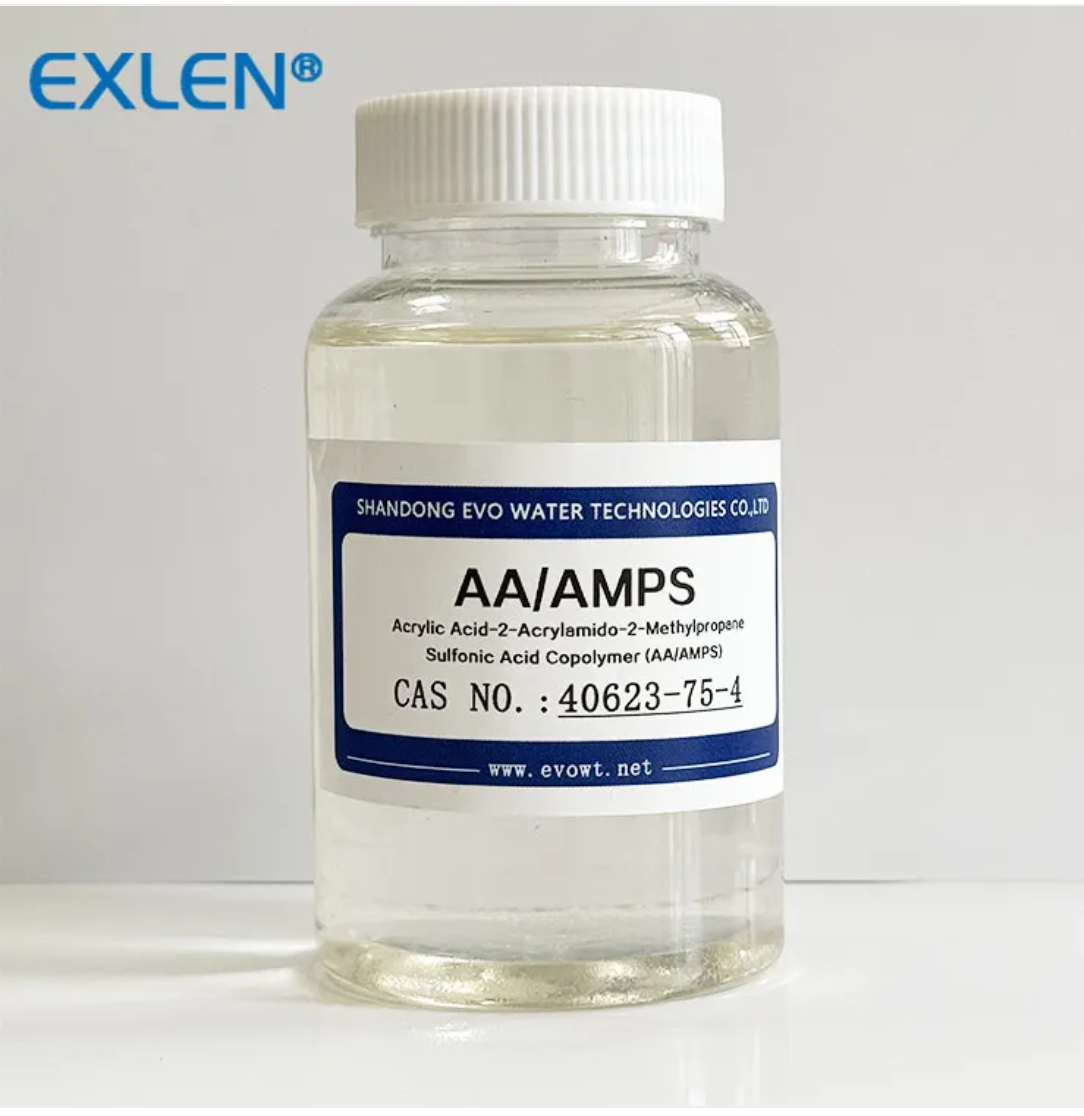
When evaluating the top AA/AMPS copolymer options, understanding the interplay between chemistry and real-world performance is essential. These copolymers combine acrylic acid (AA) with 2-acrylamido-2-methylpropane sulfonic acid (AMPS) to create backbones that resist divalent cation precipitation while maintaining exceptional thermal stability. The AMPS sulfonate groups provide strong electrolyte tolerance, crucial in high-brine oilfield applications, while the carboxylic acid groups from AA contribute to scale inhibition and dispersion. This synergy is what elevates leading formulations—whether used in cooling water systems, detergents, or enhanced oil recovery—where they must endure harsh pH, temperature swings, and oxidative conditions without losing efficacy.
Beyond chemistry, practical selection hinges on molecular weight optimization and cost-performance balance. Lower molecular weight variants excel in thin-film corrosion protection and dispersion, while mid-range grades deliver the backbone for high-temperature scale control. However, the best choice often comes down to lifecycle value: some top-tier options offer higher upfront cost but drastically reduce maintenance intervals in geothermal or desalination plants. Sustainability further narrows the field; manufacturers now emphasize lower carbon footprints, bio-based AA feedstocks, and AMPS production with reduced waste. By aligning these technical, economic, and environmental factors with your specific formulation demands—be it extreme shear stability or compatiblity with zinc-based inhibitors—you can pinpoint a copolymer that not only meets but extends the performance envelope of your industrial processes.
Contact Us
Contact Person: Fiona Su
Email: [email protected]
Tel/WhatsApp: 8619963724144
Website: https://www.evo-chemical.com/