Light Tower Company Services That Keep Construction Projects Running After Dark
2026-11-22
Nightfall doesn’t have to mean lost hours or stalled progress. On construction sites with tight schedules, dependable light tower services are often what separate a productive crew from a costly standstill. From mobile tower deployment and on-site power support to after-hours troubleshooting, the right partner keeps work zones bright, safe, and moving. Homall Industry Limited understands the pressure of after-dark deadlines and offers practical lighting solutions built for real job-site conditions. Here’s a closer look at the services that help construction projects stay on track long after the sun goes down.
Light towers delivered before the night crew clocks in
The flatbed rolled through the north gate at 5:40 p.m., twenty minutes before the first shift change. Two light towers were offloaded near the east retaining wall and pinned into place while the concrete crew was still hosing down their tools. The delivery driver didn't wait around for a signature; the site supervisor checked the serial numbers against the rental order and cleared him to leave before the parking lot started filling with night-shift pickups.
By the time the night crew clocked in, both towers had been leveled, fueled, and run through a short startup cycle. One electrician borrowed a scissor lift to adjust the aim on the second tower after noticing the beam clipped the edge of the scaffolding instead of the rebar staging area. That kind of tweak is easier to make in daylight, so it was handled before the handoff instead of leaving it for the crew to figure out in the dark.
Having the lights in position before punch-in meant the night shift could walk straight into an already-lit work zone. The foreman only spent five minutes on the pre-start briefing to point out the new glare zones and the cord routing near the generator. No one had to wait for a forklift, no one had to dig through the tool trailer for a breaker bar, and the first concrete pour started twelve minutes after the huddle.
Placement plans that cover actual work zones and blind corners
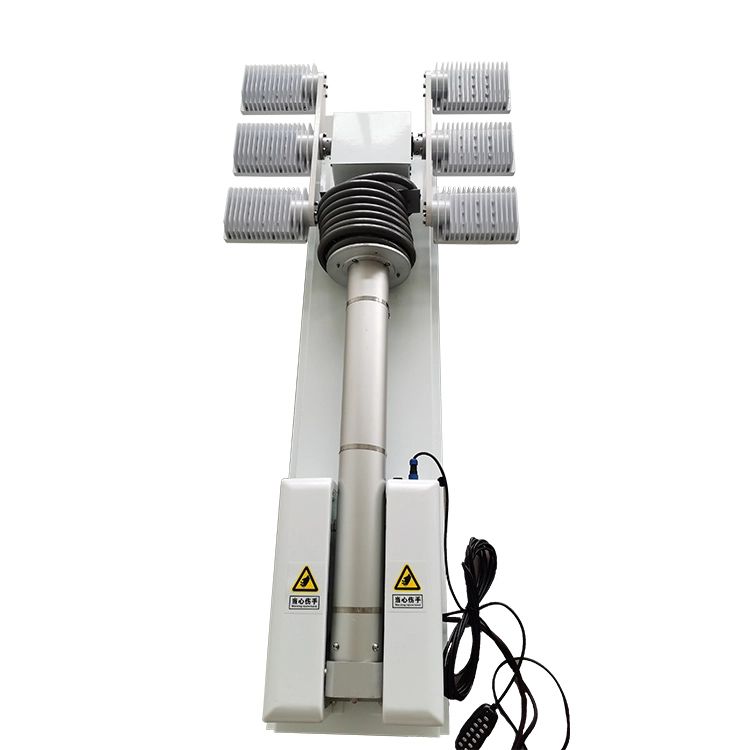
A layout that looks clean on a drawing rarely holds up once you stand at the actual corner with traffic moving. Parked equipment, a slight rise in the road, or early-morning glare can hide a worker from an approaching driver. That is why placement plans need to be built around the actual work zone and its blind corners, not just the straight-line geometry. Every taper, cone, and sign should have a reason tied to what the driver can really see at that spot.
Blind corners and shifting work areas punish generic spacing. A curve may force the first warning sign to be set well before the point a standard chart would suggest, with a second sign placed close enough to the bend to catch drivers who have already adjusted their speed. Barriers and cones should trace the true vehicle path, including any midday shift in the closure. If the work area moves, the placement plan should already say where the new taper starts and how the shadow side of the turn stays covered.
Walking or driving the route at the same hours the crew will be working often exposes gaps that never appear in the office. Notes like low sun at 7:15 or delivery entrance opens at 8 belong in the plan because they change where people are visible. The goal is not geometric perfection; it is keeping sight lines connected at the exact places where the road takes them away.
Rapid on-site repairs that keep a dark site from stalling
A dark site rarely grinds down because of one big failure. It usually starts with a single faulty connection, a tripped breaker, or a generator that overheats under load. Rapid on-site repair means the electrician arrives with enough spare contactors, fuses, and cable lugs to swap out the weak point before the schedule takes a real hit. Instead of waiting on a supply run, the team opens the panel, finds the burned terminal, and gets the lighting circuit back up while the next concrete pour is still being prepared.
The difference between a thirty-minute fix and a lost shift often comes down to tools and habit. Carrying a thermal camera, a selection of common breakers, and pre-wired bypass harnesses lets a technician isolate the fault without tearing apart half the temporary power setup. On night works, this matters more because every hour without tower lights changes crew morale, safety, and the next day’s handover. Repairs happen in the mud, with the generator still warm, rather than in a service center days later.
Keeping the site moving also means protecting the repair rather than just patching it. Connectors get sealed against moisture, cables are re-routed away from vehicle tracks, and the temporary panel is tagged with what was changed. That way the fix is not simply a reset waiting to trip again. The crew sees the lights hold steady, the pumps restart, and the dark site turns back into a working one without the schedule slipping.
Fuel and power top-ups scheduled around active pours
On pour days, the timing of refuelling can make or break the slab. Instead of waiting for a generator to sputter or a power trowel battery to fade mid-pass, the crew checks fuel levels and charge states before the first truck arrives. Anything that cannot run through the full placement window gets topped up in the quiet stretch between formwork checks and the start of discharge.
During the pour itself, the fuel trailer is parked away from the live edge but close enough for a quick walk. Small cordless tools are swapped onto fresh batteries while the pump is being repositioned or while waiting for the next load. If a ride-on trowel needs a splash of diesel, it is done only after the bleed water has been managed and before the next floating pass, never in the middle of a critical set.
That also means keeping a simple reserve plan in place. A spare charged battery set, a filled jerry can near the power screed, and a generator with enough runtime to cover one extra hour beyond the expected finish all help prevent a routine top-up from turning into a cold joint.
Quiet solar and hybrid options for noise-sensitive projects
For sites where noise restrictions shape every equipment decision, quiet solar and hybrid systems remove the usual tension between power needs and acoustic limits. Rather than relying on large diesel generators that dominate the soundscape, these setups pair low-decibel solar arrays with battery storage or compact hybrid units designed to run at a murmur. The result is a power supply that can sit close to residential areas, wildlife monitoring stations, or hospital grounds without requiring heavy sound walls or extended setback distances.
A practical advantage often overlooked is how much quieter operation changes site logistics. Crews no longer need to shout over a running engine, acoustic monitoring equipment can collect clean data nearby, and night work becomes possible where strict nighttime noise ordinances would otherwise halt progress. Hybrid models add another layer: they stay silent while drawing from stored solar energy, then cycle briefly at reduced output only when battery levels dip, keeping the overall sound profile far below conventional alternatives.
Selecting these options also signals a deliberate fit for projects where community relations matter. Instead of asking neighbours to tolerate generator drone for weeks, project managers can point to measured decibel reductions and a design that respects the surrounding acoustic environment from day one. That kind of intentional choice is often what separates a smoothly permitted job from one stalled by complaints and rework.
Teardown and relocation support when the work front shifts
Moving a crew to the next stretch of work rarely comes down to loading tools into a truck and hoping for the best. Our teams strip down site infrastructure in a controlled sequence, tagging and securing every component so loose ends do not follow the crew to the new location. The move is scheduled around your ongoing work rather than treated as a separate cleanup job after everything else has stopped.
As the current front winds down, we coordinate transport, short-term holding, and reassembly at the next position. That includes checking alignment, reconnecting services, and walking the new setup with your supervisors before it goes back into full operation. The old work front is left clean, the new one starts without avoidable delays, and the crew can focus on the task instead of the move.
FAQ
Most firms do a lot more than rental. They'll survey the site after dark to map shadow zones, recommend tower placement and beam angles, handle delivery and setup, refuel or recharge units on a schedule, provide on-call repairs, and swap out equipment if a project's footprint changes. Some also manage lighting plans for traffic control or site security.
It usually starts with the work area's size and the tasks being done. A crew doing fine detail work near trenches or rebar needs more even, glare-free coverage than a crew moving bulk material. Reputable suppliers calculate foot-candle levels from the site plan, account for obstacles and elevation changes, then suggest a layout that avoids blinding equipment operators.
Diesel remains common on large or remote sites because it's dependable and easy to refuel in the field. But battery and solar-hybrid units are gaining ground, especially in residential areas, enclosed spaces, or projects with strict noise and emission limits. The right choice depends on runtime needs, local restrictions, and whether a generator is already on site.
Fuel contamination, clogged filters, cold-weather starting problems, and burned-out lamps are the usual culprits. The best way to avoid them is to use a provider that includes scheduled servicing rather than treating the tower as a drop-and-forget rental. Ask if they track engine hours and replace bulbs before output drops enough to affect safety.
Yes, within limits. Most quality towers have adjustable outriggers and leveling jacks, and some masts can handle moderate wind loads when properly guyed. The supplier should inspect the pad or ground condition before placement. In soft soil or steep grades, they may recommend mats or a trailer-mounted unit to keep the mast stable through a full shift.
Look for equipment that meets local workplace illumination guidelines and electrical safety codes, with properly grounded generators and weather-resistant connections. The supplier should also provide tilt alarms, emergency lowering features, and clear instructions for operating near overhead lines. On sites with flaggers or traffic control, glare control matters as much as brightness.
The visible cost of a bare rental often misses what keeps the shift running: after-hours delivery, fuel management, emergency service, and a layout that actually reduces shadow and glare. Contractors who pay for the service package usually lose less time to breakdowns and rework, which tends to beat the savings from a low-rate tower parked in the wrong spot.
Conclusion
Night work stalls less often from a shortage of light than from light that shows up late, sits in the wrong spot, or dies halfway through a shift. The crews who keep projects moving after dark treat delivery as part of the schedule, not an afterthought: towers arrive before the night shift clocks in, placed where the work actually happens, including blind corners around access roads and staging areas. That placement gets adjusted as the job changes, so a saw-cutting crew and a rebar crew are not left sharing one pool of glare. When a unit does fail, the response matters more than the promise. A repair truck that reaches the site quickly and carries common parts keeps a dark pour from turning into a shutdown.
Support around the edges also separates a dependable provider from a rental desk. Fuel and power top-ups are timed around active pours and crane picks instead of interrupting them, which means generators and towers get serviced during naturally slower windows. For hospitals, residential zones, or schools, quiet solar and hybrid towers cut both noise and exhaust without forcing the team to work in shadow. And when the work front shifts, teardown and relocation are handled without leaving the next crew waiting on lights. The result is less scrambling, fewer half-lit work zones, and a night operation that runs closer to a day shift than to a guessing game.
Contact Us
Contact Person: Ryan
Email: [email protected]
Tel/WhatsApp: +85259582726
Website: https://www.robomast.com/