Logo Light Manufacturer: Crafting Custom Illuminated Signs for Your Brand
2026-11-16
In a crowded marketplace, your logo is the first thing customers see—so why let it fade into the dark? Custom illuminated signs from a dedicated logo light manufacturer can make your brand impossible to ignore. TNT has spent years perfecting the craft of turning logos into glowing statements. Curious how a simple light can elevate your entire brand identity? Read on.
Designing Light That Mirrors Your Brand Identity
Light does more than fill a room; it sets the emotional tone before a single word is spoken. A sharp, cool beam can make a lobby feel brisk and efficient, while a soft, warm wash invites people to linger. The first step is to decide which traits of your brand should become visible—precision, warmth, playfulness, restraint—and then translate those into color temperature, beam angle, and shadow. A jewelry showroom might use narrow pools of 3000K light to make facets sparkle against a darker background, quietly signaling rarity and care.
Materials and scale matter as much as brightness. A matte brass fixture with a wide, diffuse glow can feel established and tactile, while a slim black track head with a tight beam reads modern and exact. Even the way light falls across a wall or floor becomes a brand gesture: a repeating scallop pattern may suggest rhythm and consistency, whereas a single high-contrast accent on a product creates focus and confidence. These choices work together, so a guest senses the identity without consciously noticing the hardware.
The final layer is controllability. Dimming curves, scene presets, and the way light changes from morning to evening can mirror how a brand behaves over time. A café might shift from bright, even daylight levels to warm, low pools after five o'clock, matching its changing role from workspace to evening gathering spot. When the lighting system is tuned this closely to a brand's daily rhythm, it stops being decoration and starts acting as a quiet ambassador.
Materials That Survive Weather and Time
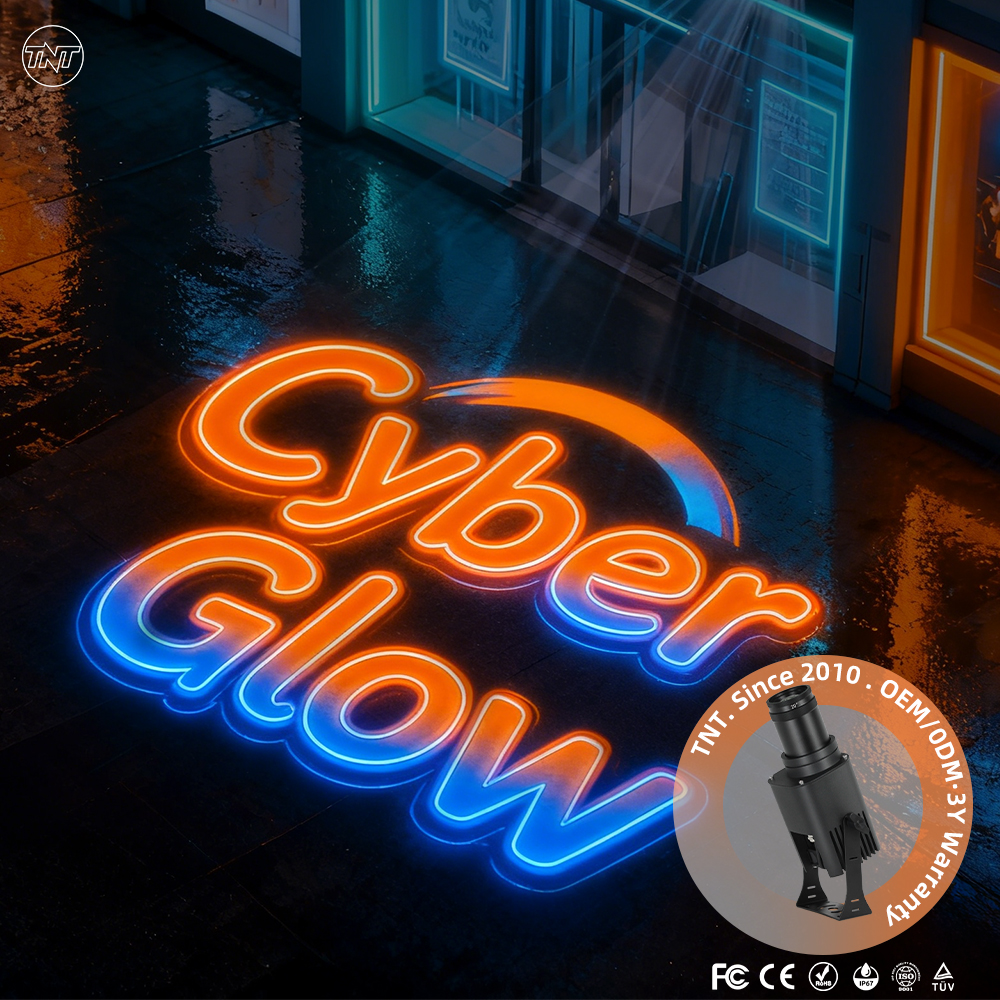
Pick a material that shrugs off rain, frost, and scorching sun, and you avoid the yearly ritual of repainting, resealing, or replacing. Galvanized steel hides a zinc layer that sacrifices itself before rust can reach the iron beneath. Fiber cement boards don't swell or warp when humidity spikes, and they laugh at termites. Even simple things like marine-grade plywood or powder-coated aluminum hold their shape and color long after cheaper options have given up. The trick is matching the material to the specific abuse your climate dishes out—not just grabbing whatever the big box store stacks by the entrance.
Time is the quieter destroyer. UV rays slowly bleach wood and crack plastic, while freeze-thaw cycles pry apart porous stone and concrete. That's why limestone steps from a hundred years ago still look solid, but a modern concrete walkway can spall in a decade. The difference often comes down to density and how the material was cured or treated. Dense natural stone, kiln-fired clay brick, and properly air-entrained concrete endure because they don't give water an easy foothold. If you want something to outlive you, choose materials that have already proven themselves over centuries—not just ones that look tough in a showroom.
Maintenance matters, but the best materials make it nearly optional. A cedar shake roof can last decades, but only if you keep moss off and replace split shakes before leaks start. Standing seam metal roofing, on the other hand, just needs the occasional rinse. Similarly, Ipe decking weathers to a silver-gray and shrugs off rot without a drop of sealant, while pressure-treated pine demands a fresh coat every two years. When you stack the true cost over twenty or thirty years—including your own weekends spent scraping and staining—the tougher material usually wins by a wide margin.
From Sketch to Switch-On: Our Production Flow
Every product begins as a rough sketch on a workshop table, often with coffee rings and margin notes arguing about component placement. We don't rush to digitize—those early pencil lines capture the physical reasoning that CAD sometimes flattens. From there, a hand-built breadboard version gets poked, prodded, and deliberately pushed past its comfort zone. If a wire pops loose or a capacitor sings too loudly, we listen. Those failures shape the next iteration more than any spec sheet.
Only after the sketch and the messy prototype agree with each other do we move to a proper schematic and board layout. Even then, we keep a soldering iron on the bench and a bin of through-hole parts nearby. Sometimes the cleanest route on screen isn't the most serviceable in the real world, so we'll break out jumper wires and test points just to make sure a future repair won't require a microscope and a prayer. Assembly is done in small batches, with each unit powered on under load for a full burn-in cycle before it leaves the shop.
The final switch-on isn't a dramatic moment—it's the quiet end of a long argument between drawings, prototypes, and hands. If the LED blinks in the right rhythm on the first try, we've earned a coffee. If it doesn't, the sketchbook comes back out. Either way, the flow never really ends; it just pauses until the next idea shows up with a pencil behind its ear.
Mounting Made Simple, Even for Storefronts
Installing signage or displays on a storefront often feels like a job for a professional crew—until you try this system. The quick-release brackets click into place without needing to drill into brick or risk cracking glass. You can have everything up before the morning rush.
Unlike bulky mounts that require two people and a ladder, the components here are lightweight and align with a simple slide-and-lock motion. A single person can handle the whole setup. The included adhesive strips hold firmly on smooth storefront surfaces, yet peel away cleanly when it's time to change your window display.
What used to take hours and a toolbox now takes minutes with just your hands. Retail owners especially appreciate not having to close the shop for installation. Once the base plates are set, swapping out posters or screens becomes a routine you can do between customers.
Energy-Sipping LEDs Without Dimming Impact
Most efficiency gains used to come with a visible penalty—turn down the power and the room gets darker. That old trade-off is fading fast. Newer LED modules lean on meticulously tuned driver circuits that match the emitter's forward voltage so closely that almost no energy is lost as heat. The result is a lamp that pulls noticeably less from the grid but still delivers the same lumen count.
Cooler operation plays an underrated role here. Because these LEDs dissipate less waste heat, their junction temperature stays low, which lifts efficacy without any need to touch the dimmer. Add in tighter phosphor control and more consistent binning, and you get a fixture that quietly sips power while keeping the room exactly as bright as before.
Real Projects, Real Glow: Notes from the Workshop
The workshop didn't hand us hypothetical briefs or sanitized case studies. We tackled live projects pulled straight from the studio's queue — the kind with messy constraints, shifting deadlines, and clients who changed direction halfway through. That real-world friction is where the learning actually happened. You can't fake the glow that comes from solving a problem someone genuinely needed solved.
One takeaway stuck with me: a project only teaches you when you're slightly uncomfortable. During the session, we made mistakes, backed up, and rebuilt. Those stumbles weren't failures; they were the grain that gave the final work its texture. The instructors didn't hover. They let us sit in the mess long enough to find our own way out, which made the final result feel earned.
By the end, the room had that particular kind of tired-satisfied energy. People weren't just showing off finished pieces — they were explaining the decisions behind them. That's the real glow. Not a polish you apply at the end, but the quiet confidence of having done the work with your own hands.
FAQ
We lean on marine-grade aluminum housings, UV-stable acrylic faces, and stainless steel fasteners. The LED modules are fully potted and IP67-rated, so salt spray and heavy rain won’t cause corrosion or clouding over time.
You’re in the loop from the first sketch to the final proof. Send over your vector files and pantone references, and we’ll build a digital render with the actual lighting effect. Revisions are unlimited until you sign off—there’s no fee for iterating on the design.
All our signs use solid-state LED modules rated for 50,000+ hours, which is roughly a decade of nightly use. There are no ballasts or gas tubes to fail, and the housing is sealed against moisture and insects, so upkeep is just an occasional wipe-down.
For standard customs, count on about two to three weeks after you approve the proof. If you’re on a tight deadline, rush production can cut that to seven business days—just let us know before ordering.
Yes, we match the mounting method to your surface. Brick usually gets stainless studs with spacers, glass works best with a slim raceway or structural adhesive, and aluminum composite panels take self-tapping screws with sealed rubber gaskets. We’ll ask for a photo of the wall to recommend the cleanest look.
We match your Pantone or RAL references under standardized LED color temperatures—2700K, 4000K, or 6500K—and send a physical sample before full production. That way the red in Miami looks the same as the red in Seattle.
Thin elements need a slightly different approach. We often switch from face-lit to halo-lit or push the minimum stroke width to 3mm so the light doesn’t bleed. You’ll see a mock-up first, and we can adjust the logo proportionally without losing the original feel.
Conclusion
We start by studying how a logo behaves in daylight and after dark, then shape light around those cues. The goal isn't just a glowing sign but a version of your brand that feels inevitable. Materials are chosen for real weather—powder-coated aluminum, UV-stable acrylic, sealed LED modules—so the sign doesn't fade, warp, or collect moisture. Production moves through a tight loop: vector sketches become router files, acrylic gets cut and polished, LEDs are fitted and tested at full brightness before wiring is locked in. Every step is checked against a sample panel, so what leaves the workshop matches what you approved.
Mounting hardware is designed around storefront realities: adjustable brackets, hidden cable entries, and templates that let a local contractor hang the sign in an afternoon. The LEDs run cool and sip power, so you get a crisp, even glow without a jump in the electric bill. In our workshop notes, one project for a corner bakery used a warm-white halo behind a hand-drawn logo; another for a law office paired brushed steel faces with a narrow cold-white edge. Both looked different in daylight and at night, but each kept its character. That's the measure we care about—not just brightness, but whether the sign still feels like the brand when the streetlights come on.
Contact Us
Contact Person: TNT SALE
Email: [email protected]
Tel/WhatsApp: 8613544277910
Website: https://www.tntprojector.com/