
OEM NFC Label: Unlocking Smart Branding and Secure Product Authentication
2026-05-13
Imagine slipping a tiny, invisible chip into your product that does more than just sit there—it becomes a silent ambassador for your brand and a vigilant guard against counterfeits. That’s the quiet revolution OEM NFC labels are sparking in the world of smart packaging. At first glance, they’re just stickers, but tap them with a phone and suddenly your product speaks: verified authenticity, exclusive digital experiences, and a direct line to your customers. No wonder brands are scrambling to embed intelligence directly into the physical world. Yet, getting it right isn’t just about slapping on a tag; it’s about weaving security and storytelling into a coin-sized canvas. With OSRFID pioneering innovation in this space, the line between a physical item and a living, connected asset is blurring fast. Let’s peel back the layers on how these humble labels are rewriting the rules of branding and authentication—one tap at a time.
Turning Ordinary Products into Interactive Brand Ambassadors
Imagine a shampoo bottle that doesn’t just sit in the shower but actually sparks a conversation. When someone scans a pattern on the label, it opens up a quick scalp-care tutorial or a playlist timed to their rinse. That’s the shift we’re talking about—mundane items stepping into a role where they actively build a relationship between the consumer and the brand, long after the purchase.
This isn’t about slapping on a QR code and calling it a day. A craft chocolate bar, for instance, might use its wrapper to unlock a virtual tour of the cacao farm, complete with stories from the growers. It’s a subtle weave of utility and emotion, turning the product into a quiet ambassador that doesn’t need to shout. The key is designing interactions that feel like a natural extension of the brand’s world—not a marketing detour.
The Hidden Layer of Protection NFC Brings to OEM Goods
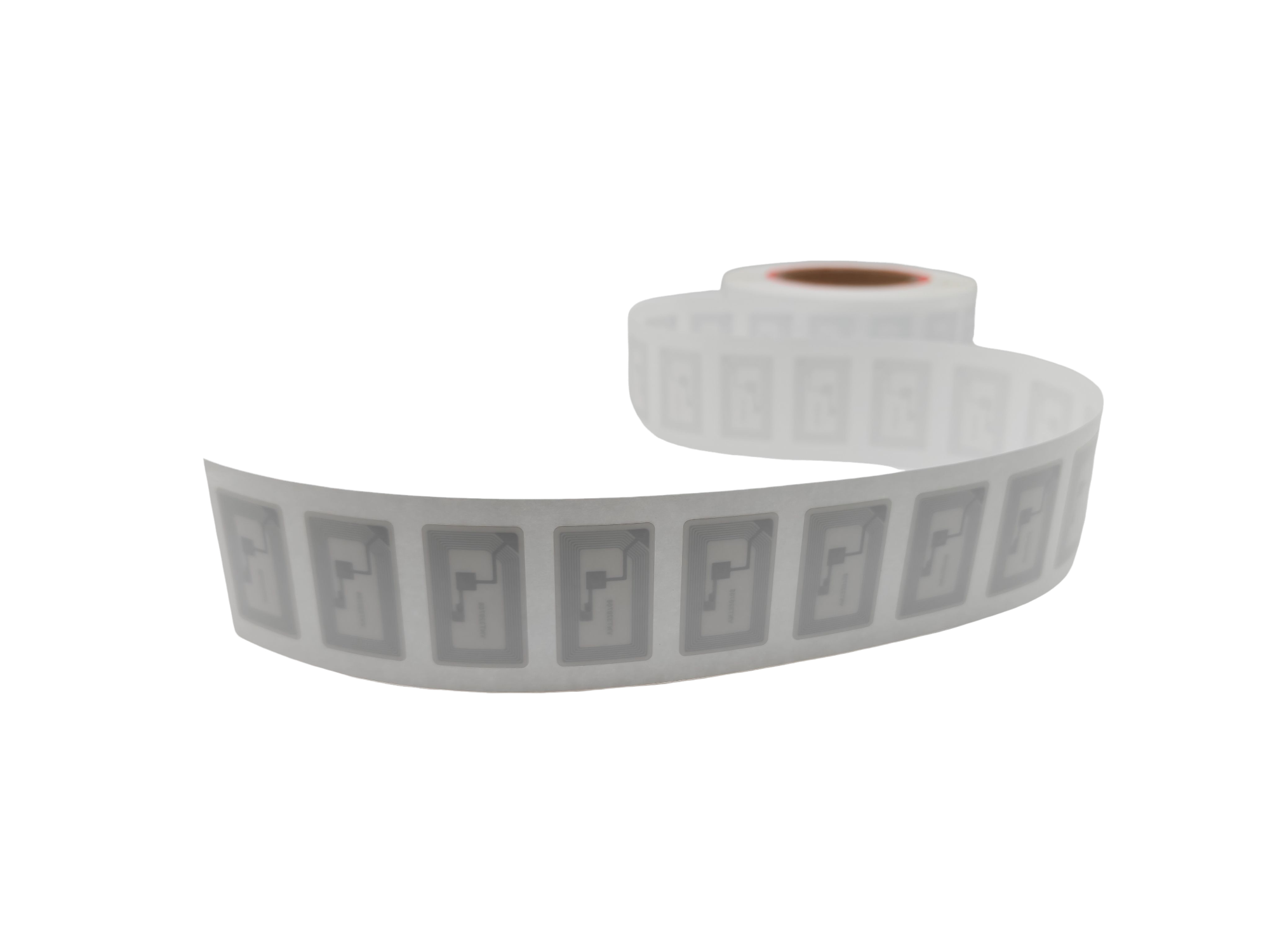
When you think of NFC tags, you might immediately picture contactless payments or quick device pairing. But beneath that simple tap lies a surprisingly robust shield against counterfeiting—especially for OEM products. Unlike visible holograms or QR codes that can be easily replicated, NFC chips embed a unique cryptographic signature that's nearly impossible to clone. Each tag contains a tiny secure element that communicates with a backend server, verifying authenticity in milliseconds. This hidden layer of verification doesn't just confirm the product is genuine; it quietly builds trust at every point in the supply chain, from the factory floor to the customer's hands.
The real magic happens when this technology becomes a seamless part of the product itself. Manufacturers can embed NFC tags directly into components, packaging, or labels without altering the design. When a consumer or a retailer scans the item, they're not just getting a binary yes/no—they're tapping into a rich, encrypted history that might include manufacturing data, distribution records, and even after-sales support. For high-value OEM goods like automotive parts, electronics, or luxury accessories, this creates a digital fingerprint that adapts over time, making it far more resilient than static anti-counterfeit measures.
What sets this approach apart is how effortlessly it blends security with engagement. A simple scan can launch a tailored experience—product registration, warranty activation, or personalized content—all while silently checking the tag's integrity behind the scenes. This dual-purpose design means the protection doesn't feel intrusive or heavy-handed. It's a quiet guardian that rewards genuine customers with convenience, turning a routine authenticity check into a moment of brand connection that counterfeiters simply can't fabricate.
Why NFC Labels Are Redefining Consumer Trust
NFC labels are quietly shifting the way people interact with products, turning a simple tap into a moment of verification. Instead of relying solely on packaging claims or QR codes that lead to generic web pages, shoppers can now access detailed origin stories, authentic sourcing data, and real-time freshness updates. This direct link between the physical item and a secure digital record builds a sense of immediate honesty—there’s no room for vague marketing when the proof is a tap away.
Brands that embed these tags aren’t just offering tech gimmicks; they’re inviting customers into a transparent conversation. When someone scans a bottle of olive oil and sees exactly where the olives were harvested, or checks a luxury handbag’s certificate of authenticity in seconds, the relationship deepens. Trust becomes less about believing advertising slogans and more about experiencing consistency every time the product is engaged with. It’s a subtle but powerful shift from passive consumer to informed participant.
The anti-counterfeiting potential runs deep, too. Unique digital signatures tied to each NFC chip make duplication extremely difficult, giving both buyers and supply chain partners confidence that what’s inside the package matches its digital passport. This resilience against tampering helps smaller, quality-focused producers stand out in crowded markets, while giving everyday shoppers a reliable way to avoid fakes. In a world where skepticism is high, that kind of reassurance is quietly reshaping loyalty.
A Practical Guide to Embedding NFC in Your Supply Chain
Near Field Communication technology offers a straightforward way to track goods, verify authenticity, and streamline inventory management. By embedding tiny NFC tags into packaging or products, you gain real-time visibility without complex infrastructure. The key is choosing the right tag type for your environment—whether it’s a rugged inlay for industrial use or a small sticker for retail items. Consider factors like memory size, read range, and durability when selecting tags to match your operational needs.
Start by mapping out where NFC will add the most value in your supply chain. Common touchpoints include manufacturing checkpoints, warehouse scanning, and end-user engagement. Integrate tag reading into existing workflows by using handheld readers or fixed stations at critical junctures. Encoding unique identifiers during production ties each item to your database, enabling seamless tracking from origin to consumer. Make sure your backend systems can handle the data influx and provide actionable insights without overwhelming your team.
One often-overlooked aspect is tag placement and readability on different materials. Metal and liquids can interfere with NFC signals, so test thoroughly before scaling. Also, train staff on proper handling to avoid damage during assembly or transit. Finally, gauge customer reception if tags are consumer-facing; a well-designed experience can build trust and reduce counterfeits. Regularly update your approach based on field data to keep the system both practical and resilient.
Elevating Product Stories Through a Single Tap
Imagine a world where a gentle press on your screen transforms a static product image into a living narrative. That single tap doesn't just open a page—it unfolds a carefully woven story, revealing the passion, craftsmanship, and purpose behind the item. It’s a moment of connection, where curiosity meets creativity, and a simple gesture invites users into an immersive experience that feels personal and immediate.
This approach redefines how we engage with products. Instead of bullet points or dry specifications, the story emerges through subtle visual layers, tactile feedback, and thoughtful micro-interactions. Each tap is a new chapter—whether it’s the origin of materials, the designer’s inspiration, or a behind-the-scenes glimpse of creation. It turns a casual browser into an explorer, making every interaction feel like a discovery rather than a transaction.
Brands that master this delicate art create lasting impressions. They don’t just showcase products; they build emotional resonance. The single tap becomes a gateway to authenticity, where users don’t just see what they’re buying—they feel why it matters. In a world of fleeting attention, this kind of storytelling elevates the ordinary into something memorable, forging a deeper bond between the user and the product, one tap at a time.
How Smart Labels Shut Down Counterfeiters Before They Start
Smart labels act as the first line of defense, embedding unique digital identities into products that counterfeiters simply cannot replicate. Each label carries encrypted data—often a cryptographic signature or a secure serial number—that is verified instantly at any point in the supply chain. This means that before a fake item ever reaches a shelf, it’s flagged and rejected, cutting off the flow of counterfeits at the source.
Beyond static authentication, these labels enable real-time tracking and dynamic verification. A quick scan with a smartphone can reveal a product’s entire journey, from manufacturing to point of sale. Any deviation from the expected path triggers alerts, allowing brands and authorities to isolate and dismantle counterfeiting operations before they scale. It’s a proactive system that shifts the focus from catching fakes after the fact to preventing their very existence.
The beauty of smart label technology lies in its layered security. Combining physical features like tamper-evident materials with digital safeguards such as blockchain-anchored records creates a barrier that grows stronger with each attempt at duplication. Counterfeiters face an endlessly moving target, where each legitimate product becomes a unique node in a network that’s impossible to forge. In this arms race, smart labels don’t just shut down counterfeiters—they make the entire endeavor too costly and complex to even begin.
FAQ
It embeds a tiny wireless chip into the product or packaging, allowing customers to tap with their phone and instantly access digital content like product stories, tutorials, or exclusive offers—turning a physical item into an interactive brand experience.
Each label carries a unique, cryptographically secured identifier that cannot be cloned. When a buyer scans it, the system checks the signature against a secure database, instantly confirming authenticity without requiring specialized tools.
Yes, they can be manufactured with various antenna patterns, custom printing, and transparent or colored substrates. Brands often embed them behind logos or integrate them into hangtags so they blend seamlessly with the existing aesthetic.
It's faster and more intuitive—just a tap instead of opening a camera app. Also, NFC can trigger dynamic actions like launching an app or connecting to Wi-Fi, and the tap data provides richer analytics about how and where customers interact.
Not really. Many suppliers offer inline encoding and application machines that can insert labels into packaging lines without major changes. For rigid goods like apparel or electronics, it's often just a matter of selecting the right adhesive and placement during manufacturing.
They don't track personal data unless the user opts in. The communication is extremely short-range, and any data exchange is encrypted. Brands can also program tags to require authentication before sharing sensitive information, putting control in the customer's hands.
Conclusion
An OEM NFC label turns everyday items into gateways for richer brand experiences. Instead of a static logo, a simple tap with a smartphone can trigger custom content—a behind-the-scenes video, an exclusive offer, or a guide that makes the product feel more personal. This immediacy transforms passive buyers into active participants, deepening the emotional link between a brand and its audience. Over time, these micro-interactions reshape consumer trust, not through loud claims but through small, consistent proofs of authenticity and care.
Beyond storytelling, the label embeds a nearly invisible shield against counterfeits. Each chip carries encrypted identifiers that are extremely difficult to clone, allowing brands to verify products at any point in the supply chain. Integration is surprisingly practical: labels can be commissioned during existing packaging runs, and cloud-based dashboards give real-time visibility into scans across regions. When a customer taps, they see a legitimate digital trail—not just a product, but the journey it travelled. By merging genuine storytelling with verifiable security, OEM NFC labels dismantle counterfeiting incentives before they gain traction, protecting both margins and reputation in one stroke.
Contact Us
Contact Person: Esme Mo
Email: [email protected]
Tel/WhatsApp: 0086 191 2931 7837
Website: https://www.osrfidglobal.com/