
Private Label Garment RFID Labels: Elevate Your Apparel Brand and Operations
2026-05-20
In the fast-paced world of fashion, staying ahead means more than just creating stunning designs—it’s about mastering the invisible threads of efficiency and brand identity. Private label garment RFID labels are the secret weapon for apparel brands looking to streamline operations while reinforcing their unique image. But not all RFID solutions are created equal. That’s where OSRFID comes in, offering custom-tailored RFID labels that fuse cutting-edge technology with your brand’s personality. Ready to discover how these tiny tags can transform your supply chain, inventory accuracy, and customer experience? Let’s dive in.
Seamless Inventory Control Never Looked This Good
Imagine walking into your stockroom and instantly knowing exactly where every item sits, without flipping through outdated spreadsheets or hunting down misplaced boxes. That’s the reality when inventory management stops feeling like a chore and starts behaving like a natural extension of your workflow. The interface is clean, the updates are instant, and the experience finally matches the promise of modern technology.
What makes it stand out is how the system eliminates friction at every turn. Barcode scanning feels snappy, automated reorder points prevent those panic moments, and real-time syncing across devices means your team is always on the same page. It’s not just about tracking stock—it’s about restoring calm to your operations, letting you focus on growth instead of digging through piles of paperwork.
The design itself deserves a mention—it’s intuitive in a way that surprises you the first time you use it. Colors, typography, and layout all work together to make data feel less like raw numbers and more like actionable insight. Whether you’re on a desktop in the back office or checking levels from your phone on the warehouse floor, the experience remains fluid. That’s when you realize good inventory control doesn’t just make your life easier; it actually looks and feels good while doing it.
Crafting a Distinct Brand Experience with Smart Labels
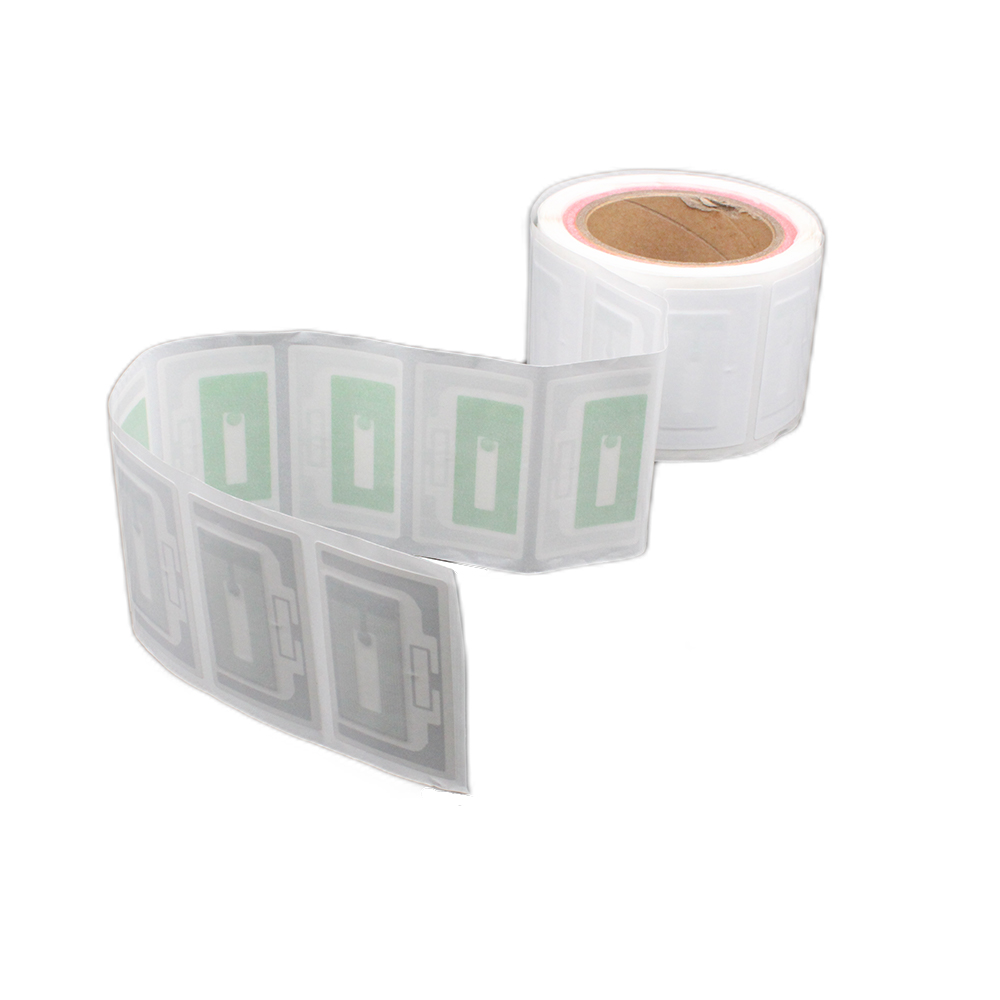
Smart labels transform everyday product interactions into moments that feel genuinely personal and memorable. By weaving NFC, QR, or RFID technology directly into packaging or hang tags, brands can deliver dynamic content, stories, or exclusive offers the instant a customer scans with their phone. Instead of a static logo or generic tagline, a wine bottle might share vineyard footage, while a skincare item explains ingredient sourcing in the customer’s own language – all without breaking the tactile, clean design of the physical product. This layer of digital storytelling makes the brand feel alive and attentive, not just another option on a crowded shelf.
Beyond the initial surprise, these connected touches build a sense of continuity and trust. A smart label on a garment can offer styling tips, remind the owner about care instructions, or even alert them to a local tailoring service. Over time, each tap becomes a chance to deepen the relationship, turning a simple purchase into an ongoing conversation. Because the experience feels native to the product rather than bolted-on marketing, customers tend to remember and revisit the brand – seeing it as a thoughtful companion, not a faceless manufacturer.
From Warehouse to Wardrobe: The Speed of RFID
RFID transforms inventory management from a slow, manual chore into a near-instantaneous digital pulse. A single handheld reader can scan hundreds of tagged items per second without line-of-sight, turning what used to take hours into a task that’s over in minutes. This velocity reshapes the entire supply chain—warehouse shelves report their own stock levels, and once goods hit the sales floor, real-time visibility bridges the gap between backroom storage and the customer’s size and style.
The leap in speed doesn’t just count boxes faster; it keeps the right product on the right rack at the right moment. Instead of waiting for overnight batch updates, a boutique can see a bestseller running low by lunchtime and have replenishment arrive before the evening rush. That agility erases the old divide between warehouse and wardrobe, making fashion cycles more responsive to actual demand rather than forecasted guesses.
But the real acceleration happens when RFID data feeds into unified commerce platforms. A shopper browsing online can see that the leather jacket in her size is not only in stock at the downtown store but exactly where it sits on the shelf—because the tag lived its journey from receiving dock to display fixture in milliseconds. The path from warehouse to wardrobe becomes a continuous, frictionless sprint, turning inventory from a static liability into a dynamic asset that moves at the speed of consumer desire.
Counterfeit-Proof Your Brand Identity
Building a brand identity that resists counterfeiting isn't just about slapping on holograms or complex serial numbers. It starts with embedding subtle, hard-to-replicate elements into your visual language—think custom typefaces with unique ligatures, micro-textures only visible under magnification, or color-shifting inks that change when viewed from different angles. These details don't scream 'security feature,' but they become unmistakable marks of authenticity to those who know where to look.
Beyond the physical or visual, your digital footprint plays a massive role. Verified social profiles, consistent storytelling across platforms, and official apps with certificate pinning create a web of trust that counterfeiters struggle to mimic. When customers habitually check for these digital breadcrumbs, fake products stand out like a typo in a familiar sentence.
The real lock, however, lies in the unglamorous backbone of your supply chain. Track-and-trace systems that use blockchain or encrypted QR codes let buyers verify a product's journey from factory to shelf in seconds. Pair that with tamper-evident packaging that destroys itself upon opening, and you turn every genuine item into its own proof—making counterfeits not just illegal, but pathetically obvious.
Data-Driven Decisions for Apparel Excellence
In a landscape where consumer preferences shift overnight and market signals grow increasingly complex, relying on intuition alone to guide apparel strategies is a gamble few can afford. Data-driven decision-making transforms raw numbers into a clear narrative—revealing which silhouettes are gaining traction, how price elasticity varies across regions, and when to pivot production before trends plateau. By embedding analytics into everyday workflows, design, merchandising, and supply chain teams can align around a single source of truth, reducing wasteful overstock and missed opportunities. The result is a more responsive, resilient operation that evolves in lockstep with actual demand.
Beyond internal efficiencies, data empowers brands to deepen customer connections in ways that feel personal rather than algorithmic. Analyzing purchase patterns, return reasons, and browsing behaviors uncovers the subtle preferences that demographic segments alone cannot capture. This insight fuels hyper-relevant product recommendations, targeted replenishment alerts, and even predictive sizing tools that minimize fit-related returns. When executed thoughtfully, these applications build trust and loyalty, turning one-time buyers into repeat advocates who feel understood without ever peering behind the curtain at the data engine driving their experience.
The leap from data-aware to data-driven requires more than just dashboards—it demands a cultural shift where curiosity and experimentation are rewarded. Piloting small-scale tests on fabric blends or colorways using A/B frameworks, then scaling what works, embeds a continuous improvement loop that keeps assortments fresh. It also means integrating feedback from store associates, online reviews, and social listening into a unified analytics layer, breaking down silos between e-commerce and brick-and-mortar. In that environment, every decision—from hemline adjustments to sustainability claims—is backed by evidence, creating apparel collections that are not only commercially successful but also genuinely aligned with what people want to wear next.
Sustainable Fashion Meets Intelligent Tracking
The concept of sustainability in fashion often feels like a promise written on a tag, but what if that tag could actually speak for the garment’s entire journey? Intelligent tracking is stepping in to bridge the gap between eco-conscious claims and verifiable action. By embedding discreet digital markers—like scannable threads or invisible pigments—brands can now trace raw materials from the field to the finished piece without disrupting the design. This isn’t about clunky QR codes that ruin a silhouette; it’s about weaving accountability directly into the fabric, giving shoppers a real-time window into the supply chain whenever they’re curious.
Beyond provenance, these tracking systems are subtly reshaping how we care for and reuse our clothes. Imagine a jacket that reminds your washing machine to switch to a cold, gentle cycle, or a dress that updates a digital log as it’s passed on to a second owner, preserving resale value and reducing textile waste. The intelligence isn’t just about locating an item—it’s about nurturing it through its entire lifecycle. This level of integration makes sustainable choices feel less like a sacrifice and more like a seamless part of daily life, turning each garment into an active participant in a cleaner industry rather than a passive product destined for landfill.
The real magic happens when these individual trackable pieces form a larger network. Aggregated anonymized data can spotlight inefficiencies—say, dyed fabrics consistently fading before they even hit stores—prompting fixes at the source instead of afterthought greenwashing. For smaller labels, it’s a way to prove their ethical credentials without expensive certifications. For consumers, it’s a shift from blind trust to informed connection. When sustainable fashion meets intelligent tracking, the conversation moves from marketing slogans to measurable impact, and the result is a closet that not only looks good but makes transparently good sense.
FAQ
They're custom-branded labels embedded with RFID chips that uniquely identify each garment. Unlike standard tags, these carry your brand's design and can store specific data like style, size, and origin, turning a simple tag into a tool for tracking and engagement.
They let you scan entire racks in seconds without line-of-sight, so stock checks become real-time and accurate. This means fewer out-of-stocks, faster replenishment, and less time spent on manual counts—your team can focus on customers instead of paperwork.
Absolutely. In-store, RFID enables smart mirrors that show outfit suggestions or instant self-checkout. Online, it ensures inventory accuracy, so customers see what's truly available. It also powers authentic digital interactions, like scanning a tag to verify a product's story or care instructions.
Generic tags do the job, but private label elevates your brand identity. They integrate your logo and aesthetic seamlessly into the garment, reinforcing brand recognition. Plus, you control the data and encoding, which enhances security and lets you tailor the technology to your unique operations.
Yes, each tag carries a unique digital identity that's incredibly hard to replicate. Brands can link this to a secure database, allowing customers or retailers to scan and confirm authenticity instantly. It's a powerful, quiet guardian for your brand's reputation.
It's surprisingly straightforward. You work with a label manufacturer to encode tags with your product data, then they're simply sewn or heat-transferred into garments during production. Most brands start with a small pilot, and the shift usually has minimal impact on existing workflows.
While there's an upfront cost for tags and readers, the payback is fast. Fewer labor hours for inventory, reduced shrink from theft or misplacement, and better demand planning all cut costs. Many brands see a return within months, not years, thanks to streamlined operations.
By giving perfect inventory visibility, they reduce overproduction and waste. Brands can track items through reuse or recycling programs, and consumers can access care instructions that extend garment life. It turns every labeled piece into part of a circular, less wasteful system.
Conclusion
Private label RFID labels are reshaping how apparel brands manage inventory and delight customers. Instead of clunky barcodes and manual counts, sewn-in smart tags let you scan entire racks in seconds—no line-of-sight needed. That means real-time stock visibility from warehouse to shop floor, cutting shrinkage and overstock. With instant data at your fingertips, restocking becomes proactive, not reactive. Picture a back room where incoming garments auto-register, and a quick handheld sweep updates your system instantly. The result: faster turnaround, fewer missed sales, and a supply chain that hums with precision. This isn't just inventory control; it's a silent operational upgrade that keeps your brand moving at the speed of retail.
Beyond logistics, these tiny labels become part of your brand story. When a customer tries on a jacket, an RFID-enabled mirror could suggest matching pieces or show its craftsmanship journey—turning a fitting room into a personal styling suite. That kind of interaction builds loyalty. And with unique encrypted IDs woven in, each garment carries a digital fingerprint, making counterfeits nearly impossible to replicate. You’re not just selling clothes; you’re guaranteeing authenticity. Plus, RFID gives you a full lifecycle view, so you can trace materials back to sustainable sources and even track recycling or resale. It’s fashion that’s smarter for the planet and sharper for business. Private label RFID isn’t a tech upgrade—it’s the thread connecting efficiency, experience, and ethics in one sleek design.
Contact Us
Contact Person: Esme Mo
Email: [email protected]
Tel/WhatsApp: 0086 191 2931 7837
Website: https://www.osrfidglobal.com/