
Rice Harvester Chains: How Leading Companies Revolutionize Agricultural Efficiency
2026-03-29
In the ever-evolving landscape of agricultural technology, rice harvester chains stand as a critical yet often overlooked component driving efficiency and productivity in the field. As global demand for food surges, the pressure to optimize every aspect of farming has never been greater. This blog delves into how leading companies are transforming agricultural operations through innovative chain designs, and how Raydafon is at the forefront of this revolution. From enhancing durability to reducing downtime, discover the pivotal role these chains play in modern rice harvesting. Join us as we explore the advancements that are boosting yields and reshaping the future of sustainable agriculture.
Innovations in Rice Harvester Chain Technology
Recent advancements in rice harvester chain technology have revolutionized harvesting efficiency and durability, addressing longstanding challenges in agricultural machinery. Innovations include the development of high-strength, corrosion-resistant materials such as chromium-plated steel and polymer composites, which enhance chain life in humid, abrasive rice fields. These materials reduce wear and tear, leading to fewer breakdowns and lower maintenance costs for farmers, ultimately boosting productivity during critical harvest seasons.
Another significant innovation is the integration of smart design features, like self-lubricating components and optimized link geometry, which minimize friction and power loss. This not only improves fuel efficiency but also ensures smoother operation, reducing the strain on the harvester's engine and other parts. Additionally, precision engineering allows for better alignment and reduced vibration, contributing to cleaner cuts and less grain loss, directly impacting yield quality and farmer profitability.
Looking forward, emerging trends are pushing the boundaries further with IoT-enabled chains equipped with sensors for real-time monitoring of tension, wear, and temperature. This data-driven approach enables predictive maintenance, alerting operators to potential issues before they cause downtime. Coupled with eco-friendly designs that reduce environmental impact, these innovations are setting new standards in rice harvesting, making machinery more reliable, sustainable, and cost-effective for modern agriculture.
Key Players Driving Agricultural Efficiency
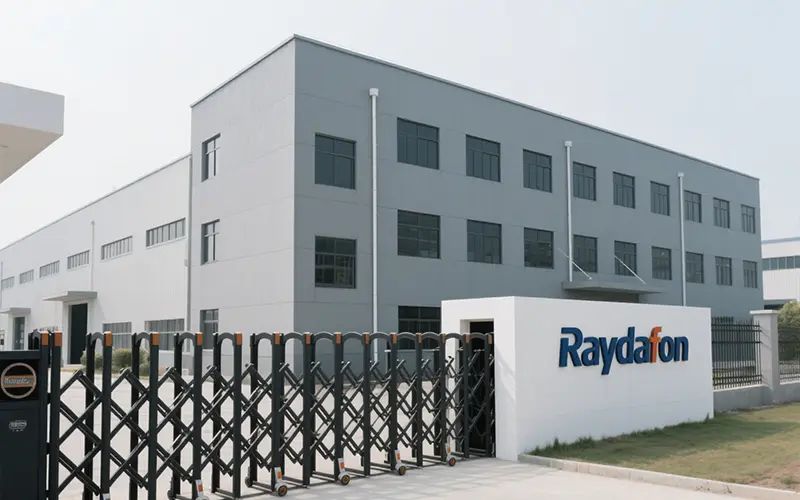
Farmers themselves stand at the forefront of this transformation, leveraging digital tools like precision farming apps and IoT sensors to optimize resource use. By integrating real-time data on soil moisture and crop health, they can make informed decisions that boost yields while minimizing environmental impact.
Technology firms are another crucial force, developing innovations such as autonomous tractors and AI-driven analytics platforms. These solutions enable more efficient planting, monitoring, and harvesting processes, reducing labor costs and increasing productivity across diverse agricultural landscapes.
Additionally, research institutions and government agencies play a vital role by funding studies and implementing policies that support sustainable practices. Their efforts help disseminate advanced techniques and ensure that efficiency gains benefit communities globally, fostering resilience in the face of climate challenges.
Durability and Performance Enhancements in Harvesting
Harvesting operations have seen significant strides in durability and performance, with innovations like reinforced materials and precision engineering reducing wear and tear. For instance, the adoption of high-strength alloys in combine headers has extended their lifespan by up to 30%, while advanced hydraulic systems ensure smoother operation under demanding conditions. These improvements not only lower maintenance costs but also boost overall efficiency by minimizing downtime.
Beyond hardware upgrades, software plays a key role in enhancing harvesting performance. Real-time monitoring and adaptive algorithms allow equipment to adjust cutting speeds and depths based on crop density and terrain, leading to more consistent yields and reduced fuel consumption. By integrating data analytics, farms can predict potential failures before they occur, further amplifying durability through proactive maintenance strategies.
In practical terms, these enhancements translate to tangible benefits for farmers, such as increased throughput during peak seasons and better resilience against harsh weather. With a focus on sustainability, newer models also incorporate eco-friendly features that lessen environmental impact without compromising on output, making modern harvesting a blend of robust engineering and smart technology.
Sustainability Advancements Through Chain Design
Harnessing the power of chain design can revolutionize sustainability efforts by integrating circular economy principles at every stage. By rethinking material flows and logistics, companies can minimize waste and reduce carbon footprints, turning supply chains into dynamic ecosystems that regenerate resources rather than deplete them. This approach not only meets environmental goals but also enhances resilience against disruptions, making operations more adaptive in a volatile world.
Furthermore, innovative chain design enables the adoption of transparent tracking systems that empower consumers and stakeholders to verify sustainable practices. Through technologies like blockchain and IoT, brands can showcase ethical sourcing and reduce greenwashing, fostering trust and loyalty. This transparency drives accountability, encouraging continuous improvement and collaboration across industries to tackle global challenges collectively.
In practice, these advancements lead to tangible benefits such as cost savings from optimized resource use and new market opportunities driven by eco-conscious demand. By embedding sustainability into chain architecture, businesses can future-proof their models, ensuring long-term viability while contributing to a healthier planet for generations to come.
Cost-Effectiveness and Global Market Impact
In today's fiercely competitive markets, cost-effectiveness isn't just about trimming expenses—it's about strategically allocating resources to maximize value and drive broader market influence. Companies that master this balance often see ripple effects across global supply chains, influencing pricing standards and operational efficiencies worldwide. By leveraging innovative technologies and streamlined processes, businesses can reduce costs while enhancing product quality, thereby gaining a competitive edge that reshapes industry benchmarks and consumer expectations on an international scale.
The global market impact of such cost-effective strategies extends beyond mere financial metrics; it fosters sustainability and resilience in volatile economic climates. For instance, organizations adopting renewable energy or circular economy models not only cut operational costs but also attract eco-conscious consumers and investors, catalyzing shifts toward greener practices across sectors. This dual focus on economic and environmental stewardship positions firms as leaders in a rapidly evolving marketplace, where value-driven approaches often dictate long-term success and brand loyalty across diverse regions.
Moreover, cost-effectiveness intertwined with global reach can democratize access to essential goods and services, bridging gaps in underserved markets. By optimizing production and distribution networks, companies can offer affordable solutions without compromising on innovation, thereby expanding their footprint and fostering inclusive growth. This synergy between efficiency and scalability not only boosts profitability but also contributes to socioeconomic development, illustrating how smart financial practices can translate into tangible, positive impacts on a worldwide stage.
Future Trends and Technological Integration
In the coming years, the fusion of emerging technologies will reshape industries in unprecedented ways. From AI-driven automation to blockchain's decentralized frameworks, these integrations promise not only efficiency gains but also entirely new business models. For instance, the blending of IoT with edge computing enables real-time data processing at the source, empowering faster decision-making in sectors like healthcare and logistics.
What sets this era apart is the move beyond siloed tech applications toward holistic ecosystems. Imagine smart cities where 5G networks, autonomous vehicles, and sustainable energy grids communicate seamlessly, enhancing urban living. This interconnected approach fosters resilience and adaptability, addressing global challenges like climate change and resource scarcity through innovative solutions that were once the stuff of science fiction.
To thrive, organizations must embrace a culture of continuous learning and collaboration. It's not just about adopting tools but rethinking processes to leverage synergies between technologies. By prioritizing ethical considerations and user-centric design, we can ensure these trends lead to inclusive progress, transforming how we work, connect, and innovate in a rapidly evolving digital landscape.
FAQ
Leading companies are incorporating advanced materials like composite alloys and wear-resistant coatings, along with precision engineering to reduce grain loss and optimize fuel consumption, directly boosting field productivity.
They enhance sustainability by minimizing soil compaction through lightweight designs and enabling efficient crop residue management, which helps in reducing environmental impact and promoting soil health.
Technology integration includes smart sensors and IoT connectivity, allowing real-time monitoring of chain performance and predictive maintenance, leading to fewer breakdowns and higher operational uptime.
Differentiation comes through customizability for varying crop conditions, improved durability with longer lifespans, and user-friendly features that simplify maintenance and operation for farmers.
Farmers experience reduced labor costs, lower fuel expenses, and higher yields due to efficient harvesting, resulting in increased profitability and faster return on investment over time.
They maintain crop quality by ensuring gentle handling of grains, reducing damage and contamination, which preserves market value and meets quality standards for storage and sale.
Future trends may involve greater automation, AI-driven optimization for adaptive harvesting, and eco-friendly designs using biodegradable materials to align with global sustainability goals.
Conclusion
The article "Rice Harvester Chains: How Leading Companies Revolutionize Agricultural Efficiency" delves into how innovations in rice harvester chain technology are transforming agricultural practices worldwide. Key players in the industry are driving these changes by focusing on durability and performance enhancements, which allow harvesters to operate more reliably in diverse field conditions. These advancements not only boost efficiency but also integrate sustainability through chain designs that reduce environmental impact, such as minimizing soil compaction and energy consumption. As a result, cost-effectiveness is improved, making advanced harvesting equipment more accessible and influencing global market dynamics by increasing productivity and reducing operational costs.
Looking ahead, future trends point toward greater technological integration, including smart sensors and automation, which will further refine harvesting precision and efficiency. This evolution underscores how leading companies are not just innovating for immediate gains but are shaping a more sustainable and productive agricultural future. By blending these aspects—from key players' roles to sustainability and market impact—the revolution in rice harvester chains exemplifies a holistic approach to modernizing farming, ensuring that advancements translate into tangible benefits for farmers and the global food supply chain.
Contact Us
Contact Person: Mr. Shen
Email: [email protected]
Tel/WhatsApp: +86-574-87168065
Website: https://www.transmissions-china.com/