
Sustainable Chemical Equipment & Technology: Powering a Greener Industrial Future
2026-05-16
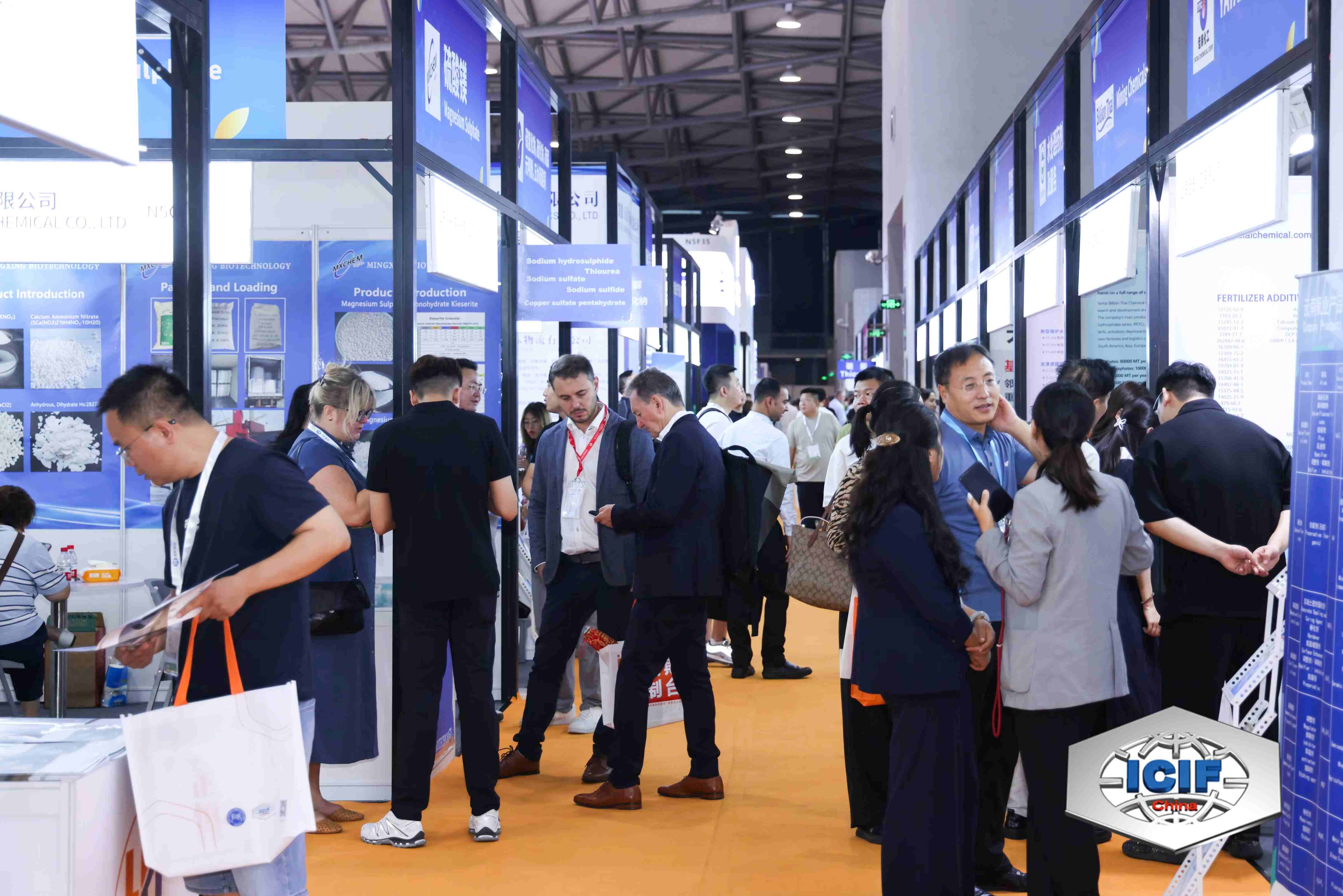
The chemical industry stands at a crossroads, where sustainability is no longer an option but a necessity. As the world accelerates toward a greener industrial future, the demand for eco-friendly equipment and innovative technologies has never been greater. Enter ICIF, a hub where sustainable chemical solutions come to life—showcasing cutting-edge advancements that reduce environmental impact without compromising efficiency. Whether you're exploring energy-saving processes, circular economy models, or low-carbon materials, ICIF is driving the conversation forward. In this blog, we dive into the key trends and breakthroughs that are reshaping the sector, offering a glimpse into a cleaner, smarter tomorrow.
The Electrification of Heat: Leaving Fossil Fuels Behind
Switching home heating away from gas and oil isn’t just a technical tweak—it’s a fundamental shift in how we think about staying warm. Modern heat pumps, for instance, extract warmth from outdoor air even when temperatures drop well below freezing, delivering three to four times the energy they consume. This efficiency leap makes the transition from combustion-based systems not just an environmental choice but a practical one, especially as electricity grids become cleaner year on year.
The upfront cost of installing a heat pump can still raise eyebrows, yet long-term savings on fuel and maintenance often tilt the balance. Coupled with induction cooktops and better-insulated homes, an all-electric household eliminates the need for on-site fossil fuel storage and reduces indoor air pollution. Local installers and energy advisors are increasingly stepping up to guide homeowners through rebates and design considerations—helping demystify a process that once felt daunting.
Grid readiness is the elephant in the room. As more buildings plug into electricity for heating, utilities are racing to upgrade transformers and manage peak loads. The payoff, though, is a quieter, more resilient infrastructure where homes can tap into solar panels during the day and store excess energy in thermal batteries or hot water tanks. It’s a mosaic of solutions, from networked heat pumps in dense neighborhoods to standalone systems in rural areas, all stitching together a future where staying warm no longer means burning something old.
Membranes Over Distillation: A Quieter, Cleaner Split
Distillation has long been the workhorse of industrial separation, but its appetite for energy and towering infrastructure can be hard to ignore. Membranes offer a refreshingly understated alternative—they sift molecules at near-ambient temperatures, sidestepping the boil-and-condense rigmarole. The result is a process that not only slashes energy bills but also runs so quietly you might forget it's there, all while shrinking the physical footprint from a multi-story column to a compact skid.
What makes membranes particularly compelling is their ability to untangle mixtures without ever calling on heat. Instead, they rely on selective layers that let some molecules breeze through while holding others back, a bit like a bouncer with an uncanny knack for reading IDs. This cold separation means no steam generation, no cooling water loops, and none of the noise or thermal degradation that can plague product quality. From purifying solvents in pharmaceutical labs to drying ethanol in a fuel plant, membranes slip seamlessly into workflows where older methods would be too clunky or harsh.
Yet the shift isn't just about swapping hardware—it's a rethink of how we approach purity. Membranes can be engineered with astonishing precision, tuning pore dimensions or chemical affinities to target specific molecules. That allows for cuts that distillation simply can't make, like pulling water out of an azeotrope without adding entrainers or breaking azeotropes. The quiet hum of a membrane unit displacing a roaring column might just be the sound of separation done smarter, cleaner, and far less intrusively.
Enzymes at Scale: Fermentation Tanks as Future Reactors
Moving enzymes from lab bench curiosities to industrial workhorses hinges on rethinking containment. Fermentation tanks, originally designed for whole-cell microbial cultures, are being repurposed as massive, highly controlled reactors for isolated enzyme cascades. The shift bypasses cellular maintenance overhead, channeling energy directly into catalytic conversion and unlocking unprecedented volumetric productivity.
Scale brings its own set of physics: mixing geometries that prevent shear denaturation, sparging patterns that optimize gas-liquid interfaces without foaming enzymes into inactivity, and thermal stratification that must be tamed to keep fragile proteins stable across thousands of liters. Modern tanks incorporate baffle designs and impeller curves inspired by computational fluid dynamics, creating gentle but thorough homogenization that mimics the laminar flows of nature’s own microenvironments.
Looking ahead, these vessels become plug-and-play modules in decentralized biomanufacturing—a cider brewery’s leftover tanks fermenting fine chemicals by swapping out enzyme cocktails instead of yeast strains. The marriage of engineering pragmatism with biocatalytic precision means the stainless steel geometries that once housed beer can now drive the synthesis of therapeutics, with turnaround times measured in hours rather than growing seasons.
Digital Twins: Perfecting Processes Without the Waste
Imagine tweaking a production line without ever halting operations or wasting a single raw material. Digital twins make this possible by creating a live, virtual mirror of physical processes, right down to the last sensor reading. Engineers can then test changes, spot bottlenecks, and refine workflows in a consequence-free digital space. The result is a process that gets sharper with every simulation, stripping out inefficiencies long before they ever touch the real world.
The magic lies in the continuous data loop. As real-time inputs stream in from the factory floor, the twin updates itself, reflecting current conditions with high fidelity. This partnership allows teams to experiment with different scenarios—what if we speed up this conveyor, reduce that temperature, or reroute materials? Each tweak provides immediate feedback, revealing not just the immediate effects but also the ripple impacts across the system, all without risking product defects or equipment damage.
Over time, this iterative refinement adds up. Processes don't just become more efficient; they become adaptive, capable of predicting failures before they happen and adjusting on the fly. The digital twin learns from every cycle, eventually serving as a blueprint that embodies the ideal workflow. And because all the trial and error happens in the virtual realm, the only thing you’re wasting is the bad ideas you’d rather avoid anyway.
Capturing Carbon, Making Chemicals: A Dual-Purpose Tech
Turning atmospheric carbon into valuable chemical building blocks is no longer a futuristic idea—it’s happening in labs and pilot plants right now. By combining advanced capture materials with catalytic processes, researchers have devised systems that pull CO₂ straight from the air or industrial exhaust and convert it into feedstocks for plastics, fuels, and even pharmaceuticals. The beauty of this approach is that it tackles two problems at once: reducing greenhouse gas levels while creating economic incentives for carbon management.
What makes this technology particularly compelling is its modular nature. Whether attached to a factory flue or deployed as standalone units, these dual-purpose reactors can be scaled to fit diverse environments. Some setups use electricity to drive the conversion, others rely on sunlight or waste heat, making them adaptable to local resources. In one pilot, captured carbon is transformed into ethylene, the backbone of countless everyday products, slashing the need for petroleum-derived alternatives.
The real breakthrough lies in the catalysts that power the chemical transformations. Novel nanostructured materials and bio-inspired enzymes are enabling faster reactions at lower temperatures, cutting energy demands dramatically. As industries face mounting pressure to decarbonize, these integrated systems offer a rare promise: turning a liability into an asset while reshaping the chemical supply chain from the ground up.
From Batch to Flow: The Continuous Manufacturing Edge
Shifting from batch to continuous manufacturing isn't just a trend—it's a fundamental rethinking of how products are made. Traditional batch processing operates in discrete steps, often with lengthy pauses between stages, which can introduce variability and limit scalability. In contrast, continuous flow methods keep materials moving seamlessly through integrated systems, reducing waste and enabling real-time quality adjustments. This approach turns production into a streamlined, uninterrupted rhythm, much like a river that never stops flowing.
The edge of continuous manufacturing lies in its ability to deliver consistent quality at scale without the inefficiencies of start-and-stop cycles. By eliminating intermediate storage and transfer steps, manufacturers can drastically shorten production timelines and respond more agilely to market demands. Moreover, the tight integration of process monitoring allows for instant feedback loops, catching deviations before they become defects. It's a shift from reactive quality control to proactive process control, giving operators a clearer window into every stage of production.
Adopting continuous methods also simplifies regulatory compliance and accelerates innovation. With a steady state of operation, data becomes richer and more reliable, making it easier to validate processes and maintain documentation. Development cycles shrink because formulation and scale-up can occur within the same equipment footprint. This convergence of flexibility and reliability is what places continuous manufacturing at the forefront of modern production—turning complexity into capability.
FAQ
Sustainable chemical equipment refers to machinery and systems designed to minimize environmental impact through energy efficiency, waste reduction, and use of renewable or recyclable materials. It's crucial because traditional chemical processes often consume massive resources and generate harmful byproducts, while sustainable alternatives help companies meet tightening regulations, reduce operational costs, and align with global carbon-neutral goals without sacrificing productivity.
Advanced technology enables greener manufacturing by integrating real-time monitoring, process optimization, and automation. For example, AI-driven sensors can detect inefficiencies in energy use, while catalytic converters and membrane separation systems dramatically cut emissions. Digital twins allow virtual testing of eco-friendly processes before implementation, reducing trial-and-error waste. These innovations collectively transform dirty chemical plants into clean, efficient operations.
Absolutely. While the upfront investment may seem high, sustainable equipment typically pays for itself through lower energy bills, reduced raw material consumption, and less waste disposal fees. Many governments also offer tax incentives and grants for green upgrades. Over time, the operational savings and enhanced brand reputation often lead to significant long-term profitability, making sustainability a smart financial decision, not just an environmental one.
Renewable energy sources like solar, wind, and bioenergy are increasingly used to power chemical plants, replacing fossil fuels. For instance, electric boilers and heat pumps running on green electricity can provide the high temperatures needed for reactions without carbon emissions. Some facilities even use on-site solar panels or purchase renewable energy credits to fully offset their power consumption, making the entire production chain more sustainable.
Yes—several breakthroughs are reshaping the sector. Electrochemical processes using renewable electricity to produce chemicals like hydrogen or ammonia instead of steam reforming are gaining traction. Membrane technologies for water purification and solvent recovery drastically reduce liquid waste. Also, bio-based feedstocks derived from plant materials are replacing petroleum-based inputs, creating circular production loops that minimize environmental footprints.
Regulations act as a major driver by setting emission limits, banning harmful substances, and mandating sustainability reporting. The European Union's REACH regulation, for example, forces manufacturers to replace hazardous chemicals with safer alternatives. Carbon pricing mechanisms make polluting processes more expensive, pushing companies to invest in cleaner tech. In many regions, failing to adopt sustainable practices can result in heavy fines or loss of market access, accelerating the transition.
Conclusion
The shift toward sustainability in the chemical sector is rewriting the rules of equipment design and process technology. At the forefront is the electrification of heat, which replaces gas-fired furnaces with efficient electric alternatives, slashing direct emissions. Complementing this, membrane-based separations are edging out energy-intensive distillation columns, offering a quieter, low-temperature route to purify products. Meanwhile, large-scale fermentation tanks are evolving into mainstream reactors as engineered enzymes unlock bio-based pathways for chemicals that once depended on petrochemicals. These innovations are not standalone; they converge in modern plants where digital twins simulate and optimise every step, eliminating waste before it occurs.
Another transformative layer comes from technologies that turn waste into value. Carbon capture units now feed CO₂ directly into chemical synthesis, producing everything from polymers to fuels, while continuous flow reactors replace batch processing to deliver safer, more efficient operations with a smaller footprint. Together, these advances form a coherent toolkit for a greener industrial future—one where equipment is not merely a vessel for reactions but an active partner in decarbonisation. The industrial landscape is being reshaped by machines that learn, adapt, and minimise resource use, proving that profitability and planetary stewardship can go hand in hand.
Contact Us
Contact Person: Shaozhen Zhou
Email: [email protected]
Tel/WhatsApp: 0086-18612117599
Website: https://en.icif.cn/