
Top 10 Chain Link Fence Factories from China Worth Partnering With
2026-09-04
Finding a reliable chain link fence supplier in China can feel like searching for a needle in a haystack—unless you know exactly where to look. With hundreds of factories claiming top quality, how do you separate the genuine partners from the ones that’ll let you down? That’s where this list comes in. We’ve vetted the market and narrowed it down to ten standout factories, and Topfencesolar is one name that keeps coming up for its consistent quality and transparent process. Keep reading to discover which suppliers actually deserve your business.
Why "Factory Direct" Claims Deserve a Closer Look
The phrase "factory direct" sounds like a shortcut to lower prices, but the reality is rarely that simple. Many sellers use the label as a marketing hook while their products still pass through multiple hands before reaching you. A genuine factory-direct purchase means you're dealing with the actual manufacturer or their official sales arm, not a reseller who simply slapped the term on a listing.
It's worth asking a few pointed questions before you trust the claim. Does the seller share details about where the items are produced, how inventory is stored, and who handles shipping? Blurry answers often reveal a longer chain of distributors and wholesalers than the label suggests. The price difference might still be attractive, but it may not come from cutting out middlemen—it could come from corners cut elsewhere.
Taking a closer look doesn't mean dismissing every factory-direct offer. Some small workshops and brands do sell directly, and their transparency shows. The key is to separate the ones that document their process from the ones that rely on a convenient buzzword. A little scrutiny upfront can save you from paying extra for a claim that never really held up.
The Coating and Gauge Details That Decide Fence Lifespan
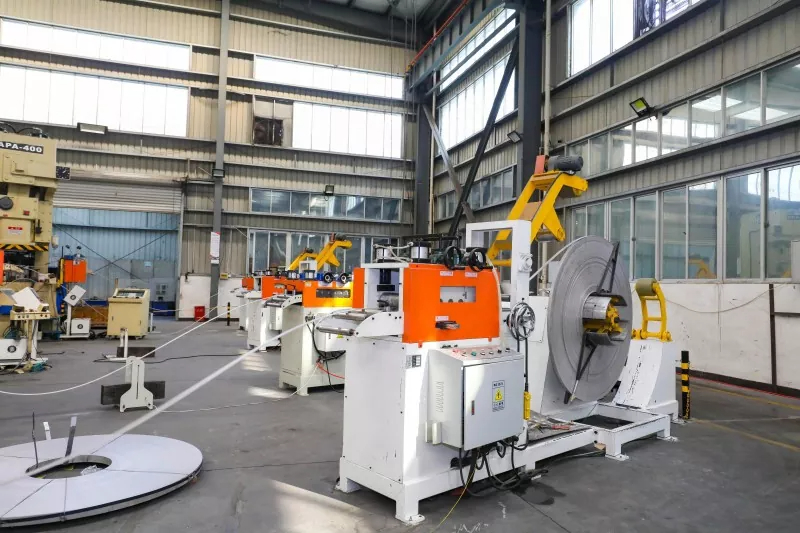
Most people focus on style, but the real determinant is under the surface. A fence that looks identical in a catalog can last a decade longer depending on whether the steel was dipped in zinc before the color layer went on. Hot-dip galvanizing with at least 1.8 ounces of zinc per square foot is a practical baseline; anything thinner, especially electroplated coatings, tends to develop rust first at cut ends and welds. The color coating—whether polyester powder or PVDF—also carries its own film thickness. A 3-mil powder coat might hold up in a mild climate, but coastal or high-UV areas punish the same panel quickly once the coating erodes.
Gauge is the other half. A 20-gauge post and 21-gauge rail might keep costs down, but they flex under wind load and stress the fasteners and joints. Stepping to 15- or 16-gauge posts and matching rails changes how the fence behaves over time: less movement means fewer hairline cracks in the coating, and fewer cracks mean moisture stays away from the steel. There's also a practical mismatch to avoid—thin pickets on heavy posts look fine at installation, but the pickets corrode or dent years before the frame, making the whole fence look worn.
Custom Panel Runs and Non-Standard Heights Without the Usual Hassle
Most suppliers treat custom panel runs as a special request, which usually means longer lead times, higher prices, and a lot of back-and-forth. We took a different route. Our system is built around adjustable mounting tracks and a modular panel design that lets us hit non-standard heights and odd wall lengths without ordering one-off pieces. You give us the actual measurements, and we cut or configure on site, not in a distant factory.
That approach removes the usual waiting game. Instead of pausing a project for two or three weeks while a custom batch is produced, the panels are ready to adapt the moment they arrive. If a wall turns out to be 93 inches instead of 96, or a corner runs at an angle, the installer simply trims the tongue-and-groove edges and adjusts the hidden clips. The finished look stays clean because the joints are designed to tolerate small variations without visible gaps.
The real benefit shows up in tight remodels and older buildings where nothing is perfectly square. You get a continuous run that follows the actual space, not a set of standardized assumptions. And because the labor happens on site with common tools, you avoid the inflated costs that usually come with custom dimensions. No special orders, no extended delays, no extra fees for a wall that doesn't match the catalog.
Port Logistics and Packing Methods That Cut Shipping Damage
At busy ports, the gap between a well-run operation and a damage claim often comes down to how cargo is secured before it ever reaches the dock. Standard wooden pallets and stretch wrap alone rarely survive the multi-stage handling that happens between vessel, crane, and warehouse. Smart shippers now pair reinforced corner boards with custom-molded foam inserts, especially for electronics or fragile machinery, and they insist on load-rated straps instead of cheap twine. This shift in packing strategy has reduced crush damage on containerized freight by a noticeable margin in recent years.
Port logistics also plays a bigger role than many realize. Choosing a terminal with covered transfer zones and using carriers that offer block stowage instead of loose stacking can keep boxes from shifting during rough seas. Some freight forwarders now recommend vacuum-sealed barrier bags for moisture-sensitive goods, which protects against condensation that builds up when containers sit on the dock overnight. Pairing these packing upgrades with a port that has real-time inventory tracking cuts down the time cargo spends in high-risk staging areas.
Finally, don't underestimate the value of test shipments. Running a small batch through a new port route or packing method before committing to a full container load reveals weak points that paperwork never shows. Teams that photograph load plans and share them with port handlers see fewer disputes and faster claims resolution. The combination of tougher packing materials, smarter port choices, and honest feedback loops is what truly keeps shipping damage low.
What a Factory Audit Actually Tells You and What It Skips
Most factory audits deliver a tightly bounded answer: does the site match its paperwork on the day of the visit? Inspectors verify that machines exist, that quality documents are being filled in, that fire extinguishers are in place, and that workers on the floor roughly match employment records. You get a decent read on basic compliance and whether the factory can produce a sample that meets your spec under supervised conditions. But the report rarely captures what happens on a night shift or how the team scrambles when a container is delayed and a buyer demands a three-day turnaround.
What an audit skips is often more consequential than what it records. No standard checklist reveals whether the owner is about to lose a major client and will deprioritize your orders, whether the workforce is stable or churning through untrained replacements every month, or whether the factory quietly subcontracts 30% of its volume to a smaller workshop down the road. Financial strain, supplier payment delays, and the informal shortcuts that appear under pressure stay firmly off the page.
Think of a factory audit as a single photograph, not a film. It flags visible red flags like missing safety exits or falsified training logs, but it cannot predict how the factory will behave when raw material prices spike, a key machine breaks down, or your design changes at the last minute. The failures that actually disrupt supply chains—cash flow trouble, hidden subcontracting, rushed rework after hours—usually emerge only after the auditor has left and the report has been filed.
Pricing Spreads Explained Through Zinc Steel and Labor Costs
Pricing spreads rarely trace back to a single cause. With galvanized steel products, the split between zinc and steel costs can swing sharply within a quarter. Zinc prices react fast to LME inventory shifts and smelter disruptions, while steel tags move with iron ore, scrap, and energy. When zinc spikes but steel stays flat, fabricators either absorb the hit or pass it unevenly across product lines, making identical-spec items look overpriced or underpriced for no obvious reason.
Labor costs then widen those gaps further. Welding, cutting, and surface prep rates can differ by a factor of three or more across regions, and skilled-worker shortages push those numbers even higher. The same galvanized steel component might carry a labor share of 15 percent in one market and over 25 percent in another, with raw material costs nearly identical. The result is a price spread that looks irrational on paper but makes perfect sense once you see where the hours are going.
In practice, breaking down zinc, steel, and labor separately tells you more than any headline number. A supplier's quote gap often reflects timing and geography, not margin games. When you can read that structure, you stop chasing the lowest sticker price and start asking the right questions about which cost layer is actually moving.
FAQ
Most of them have been running dedicated production lines for at least a decade, and several hold ISO 9001 or CE certifications that aren't just decorative. In practice, that means tighter wire diameter tolerances, consistent zinc coating weights, and fewer bent posts or missing tension bars when the container arrives. A few also run in-house testing for salt spray resistance and tensile strength, which cuts down on ugly surprises after installation.
I looked at a mix of export history, third-party audit reports, and real feedback from importers in North America, Europe, and Australia. Factories that relied purely on trading companies or had no verifiable overseas shipments didn't make the cut. I also gave weight to responsiveness: the ones that sent clear quotations and technical drawings within a few days stood out, because that usually reflects how they'll treat you after the order is placed.
Several of them will accept smaller mixed loads, especially if you're willing to combine two or three fence heights in one 20-foot container. A couple even offer sample boxes with cut sections of mesh, post caps, and gate fittings before you commit. That said, if you're ordering only a few dozen rolls, expect to pay a higher per-unit price and less favorable freight terms.
Ask for the specific coating weight—usually expressed as grams per square meter for galvanized wire—rather than just 'hot-dipped.' For PVC-coated chain link, request the coating thickness in mils and ask if the PVC is UV-stabilized. Also check whether they can provide a batch-level mill certificate for the steel, not just a generic PDF. The better factories will include tensile strength and elongation data without being prompted.
Yes, most of them carry multiple product lines under one roof: lighter 11-gauge residential mesh, heavier 9-gauge or 6-gauge commercial mesh, and even high-security variants with smaller apertures. The difference usually shows in their post and rail inventory. Factories that stock schedule 40 or schedule 80 pipe alongside standard round posts tend to be much better equipped for industrial projects than those that only offer thin-walled tubing.
The freight and port fees often outweigh the product savings if you don't plan carefully. Beyond that, watch for palletizing and crating charges, especially for gates and post caps. Some factories quote the mesh very cheaply but then charge separately for tension wire, ties, and hog rings—items you'd assume are included. Always ask for a line-item breakdown that lists every component and its packaging type.
Most are open to customizing mesh height, aperture size, and PVC color if you meet a minimum quantity—usually somewhere between 3,000 and 5,000 square meters per color. Gate frames can be built to your drawings, but you'll need to confirm whether they weld in-house or outsource that step. In-house welding gives you more control over hinge alignment and paint finish.
Send a short email with your target quantity, mesh height, wire gauge, coating type, and destination port. Attach a simple sketch if you need gates or angled ends. Avoid asking 'send me your best price' with no specifications, because that signals you're not serious and usually gets a padded quote. If the factory replies with technical questions about your site conditions or local wind load, that's a good sign.
Conclusion
Building a shortlist of chain link fence factories from China worth partnering with means looking past a polished website and a boilerplate 'factory direct' promise. Too many trading companies rent a warehouse for photos and still claim manufacturer status, so the first filter is verifying that the operation actually draws wire, welds or weaves mesh, and applies coatings in-house. Once that's clear, the details that truly separate a durable fence from a five-year failure are coating weight and gauge consistency. Top factories on any serious list will specify zinc coating in grams per square meter, not just 'galvanized,' and they'll confirm whether the PVC is bonded or merely extruded over bare wire. Custom panel runs are another tell: if a factory treats 7-foot-high panels or 2.5-inch mesh as a nuisance, it is probably not set up for your market. The best partners adjust line speeds and tooling without padding lead times.
Logistics and packing also deserve attention, because a cheap fence that arrives bent or corroded is no bargain. Factories worth dealing with use edge protectors, steel or wooden pallets, and shrink film that keeps salt air out during ocean transit; some even color-code bundle tags for quick installation. A factory audit is useful but limited: it shows you current equipment, worker headcount, and QC paperwork, yet it cannot capture how the plant performs on a rushed holiday-season order. So pair an audit with at least two reference checks and a trial container. On pricing, the spread between quotes often traces back to zinc futures and local labor rates rather than mysterious 'premium quality.' If one supplier is 20% below the rest, ask what was cut — usually wire diameter or coating thickness. Transparent factories break down raw material cost, galvanizing cost, and packing, which makes annual price adjustments easier to negotiate.
Contact Us
Contact Person: Nancy
Email: [email protected]
Tel/WhatsApp: +86-13365923720
Website: https://www.topfencesolar.com/