
Top 10 Trench Convectors That Deliver Quiet Warmth Without Disrupting Your Space
2026-11-22
Few heating upgrades disappear into a room as gracefully as a well-chosen trench convector. You get even, low-profile warmth along glazing or under windows without bulky radiators eating into your floor plan or fan noise competing with conversation. But not every unit earns its place in a quiet home. That’s why we’ve narrowed the field to ten models that balance output, build quality, and genuinely unobtrusive operation. Along the way, we’ve leaned on shairko for real-world performance insight, so you can choose a convector that warms the room without taking it over.
Heat That Hides in Plain Sight
A north-facing wall that still feels warm long after sunset is rarely a design mistake. It is a record of absorbed sunlight, slowly leaking back into the room while the thermostat sits idle. The warmth is not announced by glowing coils or moving air; it arrives as a faint, steady pressure against the skin, easy to ignore until the heating bill comes in lower than expected.
Inside the house, the same disappearing act happens in quieter corners. The refrigerator exhales heat while keeping milk cold, and the water heater radiates its stored warmth through the garage long after the last shower. Even a cluster of electronics left on standby turns a closed cabinet into a small, persistent source of dry heat. None of these read as heating systems, yet each one shifts the comfort of a room without a single visible flame or duct.
The building itself also stores and releases warmth at hours nobody planned for. A concrete floor near a south window gathers heat through the afternoon and lets it go after dinner, while interior brick or stone can hold the day's warmth well into the night. This hidden rhythm rarely appears on a thermostat, but it shapes how a room actually feels more than most scheduled heating ever will.
The Sound of Warmth Is No Sound at All
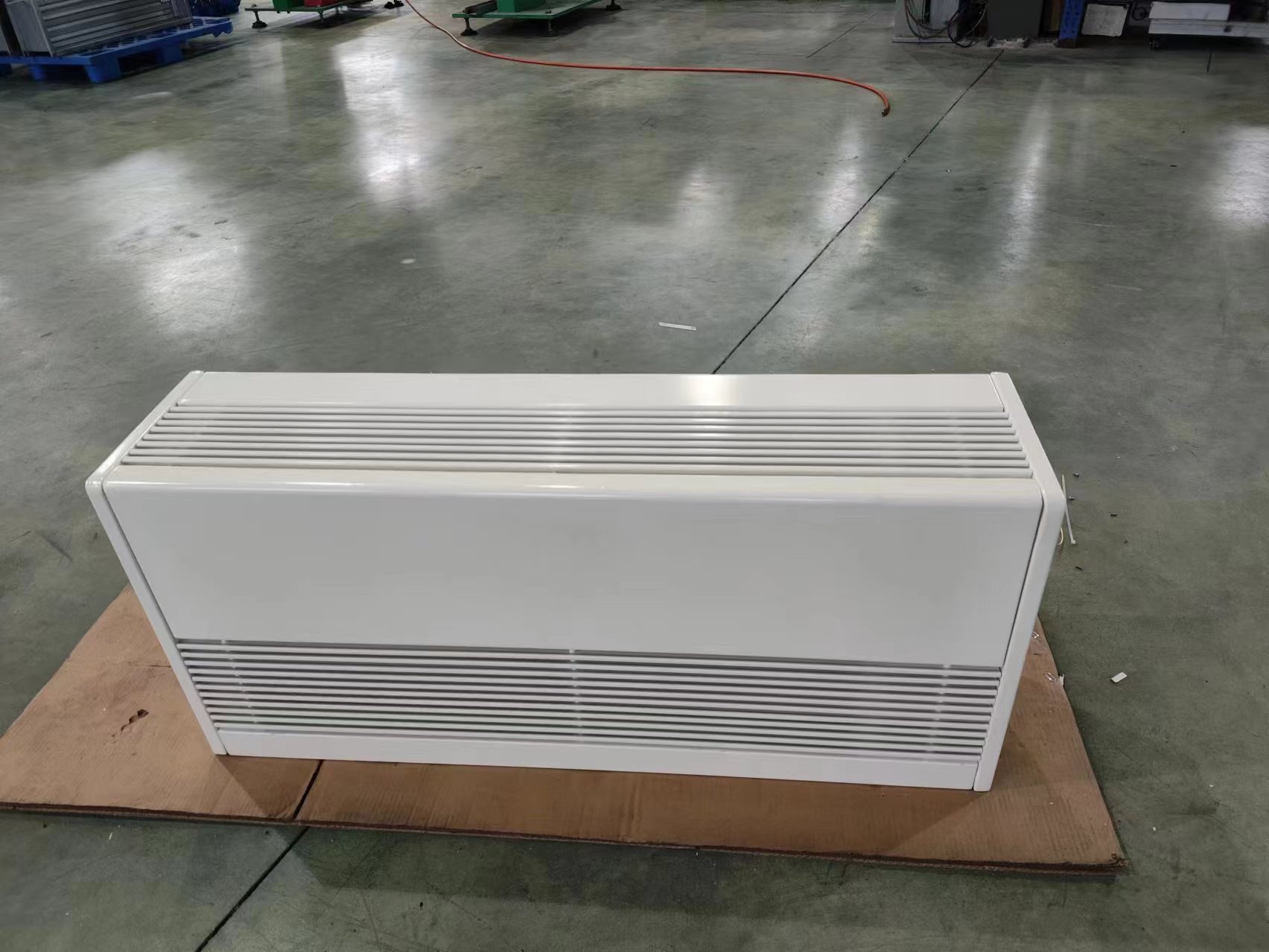
Warmth rarely announces itself. It settles into a room the way dust drifts through a window beam, present only when you stop looking for it. The softest wool, the low exhale of a radiator, the way a cushion gives under weight—these things make no sound. They simply hold space, and in that holding, the body lowers its guard.
We are taught to associate comfort with noise: laughter, crackling fires, the murmur of familiar voices. But the deepest warmth is often what remains when all of that fades. It is the pause between breaths, the absence of urgency, the quiet weight of a blanket that asks nothing in return. To hear it, you have to stop listening.
Maybe that is why true warmth is so difficult to describe. It doesn’t arrive with a name or a frequency. It lives in the muffled edges of a winter afternoon, in the silence of a room where someone else is still breathing. No announcement. No echo. Just a stillness that says, without saying: stay.
Where Low-Profile Design Meets Steady Heat
Slim profiles usually come with a compromise: they struggle to hold a consistent temperature without cycling too hard or too often. This unit takes a different route. The low build doesn’t just disappear into tight spaces; it uses a wider heat spreader and quieter airflow path to keep warmth even across the room instead of throwing it in bursts.
What stands out during longer sessions is how little the output swings. The surface stays warm without becoming harsh, and the reduced height doesn’t force the heating element into a cramped corner. That leaves enough internal clearance for air to move naturally, so the heat reaches you at a steady pace rather than in waves.
For rooms where a bulky tower or baseboard unit feels intrusive, that balance matters. It sits close to the wall or under a desk without calling attention to itself, yet the warmth remains present without constant adjustments. The result is less about looking compact and more about behaving like a larger heater while staying out of the way.
Why the Best Trench Units Never Announce Themselves
There is a particular confidence in a coat that doesn't ask for attention. The best trench units hang from their seams with a kind of offhand composure, cut from cotton gabardine or a dry wool blend that catches the light without shining. No oversized logos, no buckles arranged for show. The details are there for the person wearing it: a collar that snaps high against wind, pockets placed where hands naturally fall, a belt that cinches with one motion.
This quietness is deliberate but never precious. A well-made trench doesn't need to interrupt a room because its shape already does the work—slightly dropped shoulder, a back vent that moves, a hem that breaks at the right point. People notice the line before they notice the label, and that is the point. The unit disappears into the outfit and, in doing so, becomes harder to forget.
The same logic applies to how it wears over time. Cheap versions rely on shine and stiffness to look new; the better ones soften at the elbows, crease around the belt, and take on the posture of the body beneath. That kind of patina can't be faked with advertising. It only comes from materials and construction choices that were never meant to announce themselves in the first place.
Warm Glass Walls Without the Background Hum
A glass wall usually comes with a subtle trade-off: the view stays, but so does the low-frequency rumble from traffic, wind, and building systems. The fix is less about thicker glass alone and more about how the layers are arranged. By pairing laminated panes with different thicknesses and using a structural interlayer that breaks up vibration transfer, the assembly can hush that background hum while still letting daylight move through the space.
Thermal comfort plays a role in the “warm” part as well. Low-iron glass with a high-performance coating keeps the surface from radiating cold into a room, so standing near the wall no longer feels like standing next to a passive chill. The right frame detailing—thermally broken, with insulation tucked behind the edge—prevents the mullions from becoming a fast track for either noise or heat loss.
What changes the experience is the combination. The glass does not have to look tinted or heavy to perform well, and the room does not need acoustic panels tacked on afterward. Instead, the wall does both jobs quietly: it keeps the connection to the outside and leaves the mechanical drone outside where it belongs.
Choosing a Heater That Respects the Room
A heater should understand the room before it tries to warm it. That means noticing ceiling height, window exposure, and how much square footage actually gets used, rather than relying on a generic wattage estimate. A low-profile unit tucked against the baseboard often does more for comfort than a bulky tower in the middle of the floor, especially when it matches the wall color or sits below a window line.
Noise is part of the design, too. Radiant panels and oil-filled columns warm without a fan's persistent push, so the room keeps its quiet. If a fan is necessary, look for a soft, even tone instead of a high-pitched rattle. The goal is a heater you notice through warmth, not through sound.
Finally, think about how the controls interact with daily life. A simple dial or subtle digital display can feel more natural than a bright screen glowing at eye level. The best choice respects the room's existing mood, adding warmth without adding visual clutter.
FAQ
Most trench convectors rely on natural convection rather than a blower, so the only sound you might notice is the occasional expansion tick as the metal warms or cools. Models with low-profile fans are usually engineered with insulated casings and slower motor speeds to keep noise below conversation level.
They work particularly well along full-height windows, sliding doors, or any wall where a traditional radiator would block sightlines or eat into floor space. Because they sit flush with the floor, they preserve the architecture while offsetting cold drafts where glass meets the room.
Start with the room’s heat loss calculation rather than a rough square-foot estimate. Glass area, ceiling height, insulation, and exposure all matter, and a unit that is too large will cycle on and off more often, which can make temperature swings more noticeable.
Not if the grille is easy to lift. Dust and pet hair collect in the trough, so a vacuum pass every couple of weeks and a damp cloth along the inside surfaces during deeper cleanings will keep it running efficiently. Avoid models with fixed grilles if you know the area collects debris.
The grille takes daily foot traffic, so look for a finish that resists scratches and doesn’t heat up unevenly. Anodized aluminum and powder-coated steel are common choices, and slotted designs tend to hide dust better than fully open bars while still allowing air to rise.
Yes, especially where a large glass wall creates a strong cold zone. Underfloor heating responds slowly and may not counteract the downdraft from tall glazing, while a correctly sized trench convector reacts faster and can be zoned to run only when that area needs it.
Conclusion
Trench convectors have quietly become the preferred heating solution for spaces where the architecture does the talking. Instead of bulky radiators or noisy fan units, these low-profile systems sit flush with the floor, running along glass walls and open sightlines without stealing attention. The heat they produce feels steady and even, spreading upward across cold glazing rather than blasting warm air into the room. What stands out most is what you do not hear: there is no clicking relay, no rushing fan, just a gentle convection current that works in the background. For anyone who has struggled to keep a floor-to-ceiling window warm without adding an eyesore, that near-silent operation changes how the room actually feels.
The best trench units respect the space they occupy. They fit into narrow channels, disappear under grilles, and allow furniture placement to remain flexible without blocking vents. Because the design is so understated, they suit modern interiors, period renovations, and commercial settings alike. Warmth arrives without drawing attention to itself, which is exactly why these heaters earn a place on any shortlist. A well-chosen trench convector does more than raise the temperature; it preserves the calm, visual rhythm of the room while keeping cold drafts at bay. Once installed, it rarely announces itself, and that silence is precisely the point.
Contact Us
Contact Person: Crystal
Email: [email protected]
Tel/WhatsApp: 8613524235353
Website: https://www.airkohvac.com