
Top Outdoor Socks Supplier Shares Tips for Choosing the Best Pair
2026-08-13
Your boots can be perfect, but the wrong socks will still end the hike early. Blisters, damp toes, and heels that slide after mile two—these are the details most hikers overlook until it is too late. To cut through the marketing noise, we asked Fuli Socks, a top outdoor socks supplier, what actually matters when you are choosing your next pair. Their field-tested advice makes the decision simpler than you might think.
Get the Fit Right Before You Hit the Trail
Nothing ruins a hike faster than gear that fights you with every step. Spend a quiet afternoon at home adjusting straps, swapping insoles, and walking around the block with your fully loaded pack. That small time investment pays off the moment you step off pavement and onto uneven ground.
Your boots deserve extra attention. Try them on with the exact socks you plan to wear, and remember that feet swell after an hour of climbing. A thumbnail's width of space at the toe isn't just a rule—it's the difference between a pleasant descent and a blister-filled limp back to the car. Don't forget to loosen the laces slightly after the first mile and re-tighten for downhill sections.
Backpacks are equally finicky. A hip belt that sits too high rubs your lower ribs; too low and it chafes your hip bones. Load it with your real gear, not just pillows, and walk up and down stairs to test the balance. If you hear squeaking or feel a hot spot developing, fix it now. Trails don't offer do-overs, so make every strap earn its place before you go.
Match the Sock Height to Your Boots and Terrain
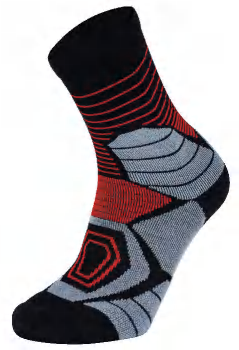
Sock height is less about fashion and more about where the boot collar meets your leg. For low hikers or trail shoes, a no-show or quarter sock keeps debris out without adding bulk, but only if the terrain is dry and well maintained. Once you step onto rocky, brushy paths, a crew height that rises just above the boot top prevents scratches and grit from sneaking in.
For taller boots, especially those used in snow, mud, or deep grass, an over-the-calf sock is the practical choice. It stops the boot shaft from rubbing directly on skin and stays put when you posthole or wade through wet ground. Match the sock to the highest point of the boot’s collar and then go one inch taller if the terrain is uneven or full of loose debris.
Pick Materials That Pull Sweat Off Your Skin
When the temperature climbs, the last thing you want is a shirt that clings damply to your back. The secret lies in fabrics engineered to move moisture away from your body. Look for terms like "moisture-wicking" or "hydrophilic" on the label — these aren't just buzzwords, they describe fibers treated or structured to pull sweat to the outer surface where it evaporates fast. Polyester blends, merino wool, and certain nylons do this surprisingly well, leaving cotton far behind in the comfort race.
Merino wool deserves a special mention because it doesn't just wick — it actively regulates temperature. Unlike synthetic wicking fabrics that can feel clammy after a while, merino absorbs a decent amount of moisture into its core before releasing it outward, keeping you dry without the plastic-like feel. For high-output activities, a polyester-nylon blend with mesh panels can dump heat and sweat faster than almost anything else on the market.
One trick nobody tells you: check how the fabric is knitted rather than just the fiber content. A loose, open knit with micro-channels against the skin will spread moisture over a larger surface area, speeding up evaporation. And avoid fabric softeners — they coat the fibers and kill the wicking ability you paid for. Rinse those workout tees with plain water and let them air dry, and they'll keep pulling sweat off your skin for years.
Check the Cushioning Zones Underfoot and at the Heel
When you flip a shoe over, the first thing worth doing is pressing your thumb into the foam just behind the ball of the foot. A healthy midsole should feel resilient rather than mushy, and it should spring back almost immediately. If the material stays dimpled or feels noticeably thinner under the big toe side compared to the outer edge, that uneven compression is a sign the shoe is no longer protecting your foot from impact.
Move back toward the heel and do the same. The heel zone often wears down first because it takes the brunt of every stride, but don't just look at the outsole rubber. Push into the midsole from the inside and outside edges. You're checking for a loss of rebound and for any sideways lean. A shoe that sits tilted on a flat surface or feels softer on one side has lost its structural balance, which can quietly change your gait.
It's also worth comparing the two shoes side by side. Sometimes one midsole breaks down faster than the other, especially if you tend to scuff one foot or run on crowned roads. If there's a clear difference in cushioning depth or bounce, don't wait for aches to show up. Rotating in a fresh pair earlier than usual is cheaper than dealing with the foot and knee strain that worn cushioning invites.
Look for Flat Seams That Won’t Rub You Raw
Most irritation on long rides doesn’t come from the saddle itself—it starts with the seams. A thick, raised ridge running right under your sit bones can turn hour two into a test of pain tolerance. Run your fingers over the shorts inside out. If the seam feels like a speed bump, skip them. The best pairs use flatlock stitching or bonded seams that lie nearly invisible against the skin, so there’s nothing to dig in when you shift your weight out of the saddle.
Don’t just check the main panels. The leg grippers and the edge of the chamois pad are common trouble spots. Fold the fabric and feel for any hard edge or overlapping stitch pattern. Even a small tag sewn into the back can become a hot spot once sweat and friction build. If you’re between sizes, choose the one that lets the seams sit flat instead of stretching tight over the thighs—tight fabric pulls seams into your skin and makes even flat stitching feel abrasive.
A quick test: slip the shorts on and do a few deep squats. You’ll notice instantly if a seam moves against your skin or bunches near the crease of your hip. Quality brands often list flatlock seams or bonded construction right on the label, but your fingertips are the real judge. If a seam disappears when you rub it between your thumb and forefinger, you’re on the right track.
Replace Your Socks Before They Lose Their Grip
Most socks don't fail suddenly. They give you quiet warnings first. The heel starts to slide down under your arch, the cuff no longer hugs your ankle, and the fabric feels thinner against the ball of your foot. That's the moment to check your sock drawer. Waiting until holes appear means you've already spent weeks with poor fit, which can lead to blisters and cold toes.
A sock's grip isn't just about staying up. It's what keeps the sock from bunching inside your shoe, causing friction with every step. Once the elastic fibers break down, the sock shifts constantly. That extra movement turns a comfortable walk into an irritation session. Replacing socks before they lose their grip means you're not just avoiding holes—you're maintaining the cushioning and stability your feet depend on.
A simple test: put on a sock and walk around your home for a minute. If you have to pull it up more than once, or if you feel the fabric sliding toward your toes, it's time to retire that pair. Socks are relatively inexpensive compared to foot care, so swapping them out early is a small investment in daily comfort.
FAQ
Merino wool is a strong first choice because it pulls moisture away from your skin and keeps working even when damp. Synthetics like nylon and polyester blends can dry faster, but they tend to hold odor more. A wool blend with a bit of nylon for durability often gives you the best balance.
For day hikes on maintained trails, light to medium cushioning under the heel and ball of the foot is usually enough. For multi-day trips with a heavier pack, go with medium to heavy cushioning across the whole sole. Too much padding on short hikes can make your feet sweat and reduce trail feel.
Crew-height socks are the safest bet for rocky or brushy terrain because they protect your ankles from scrapes and keep debris out. Quarter or no-show cuts leave more skin exposed and tend to slip down. Save them for smooth, well-groomed paths.
Yes, and that's one of the most overlooked points. A sock that's too loose will bunch and cause blisters, while one that's too tight can restrict circulation and make your feet cold. Check the size chart every time and look for a snug heel pocket with no extra fabric at the toe.
Skip fabric softeners and bleach. They break down the fibers and reduce moisture-wicking ability. Turn socks inside out, wash in cool or lukewarm water, and air dry when possible. High dryer heat is a fast way to shrink wool blends and ruin elastic.
One pair rarely does both well. In warm conditions, you want thin, breathable panels and low bulk. In cold conditions, a thicker terry loop construction and higher wool content trap warmth. If you hike in both seasons, it's worth owning at least two weights.
Good outdoor socks offer gentle support around the arch and instep, not tight compression like medical hosiery. After putting them on, you should feel hugged but not squeezed. If your toes tingle or the top band leaves deep marks, go up a size or pick a looser knit.
The difference usually comes down to fiber quality, targeted cushioning zones, and flat toe seams. Cheaper socks often use bulkier yarns that wear out quickly and have thick seams that rub. Premium pairs use longer-staple wool, reinforced heels and toes, and shaped construction that matches left and right feet.
Conclusion
A supplier that outfits serious hikers will tell you the same thing: fit is everything, and it starts before you even lace up. A sock that slips down or bunches at the heel becomes a blister factory, so look for a snug wrap around the arch and a heel pocket that stays put. From there, match the height to your boot and the ground you'll cover—low cuts work for easy trails, but taller crews or knee-highs are worth it when brush, rocks, or loose dirt threaten to work their way in. And the material? Merino wool blended with nylon or polyester is the quiet workhorse: it wicks moisture off your skin and dries quickly, leaving your feet cool instead of soggy.
Cushioning shouldn't be an afterthought. Check for targeted padding under the heel and forefoot—that's where rocks and roots punish you on descents—while keeping the instep light so the boot doesn't feel cramped. Seams are another detail most people miss until it's too late. Flat, smooth stitching along the toe and sides prevents the raw, rubbed spots that turn a good hike sour. And don't cling to a pair past its prime. Once the elastic band loses tension or the fabric gets thin and slick, the sock no longer grips your foot, which means blisters and instability. Rotate in a fresh pair before your next big outing, and your feet will thank you long after the trail ends.
Contact Us
Contact Person: Ryan Li
Email: [email protected]
Tel/WhatsApp: +86 13757342500
Website: https://www.fulisocks.com/