
Top UL FM Grooved Butterfly Valve: Essential Guide for Efficient Industrial Flow Control
2025-12-25
In the dynamic world of industrial flow control, efficiency and reliability are paramount. At the heart of many systems lies the UL FM grooved butterfly valve—a vital component for managing fluid processes with precision. This comprehensive guide delves into the essentials of these valves, exploring their design, applications, and benefits. Whether you're an engineer, operator, or procurement specialist, understanding their role can elevate your operational performance. To discover cutting-edge solutions and expertise, look no further than DRIFCO, a leader in innovative flow control technologies. Stay tuned as we unpack how these valves can streamline your industrial setups and keep your processes running smoothly.
Understanding the Basic Design and Function of Grooved Butterfly Valves
Grooved butterfly valves, often overlooked in piping systems, are engineered for simplicity and efficiency. They feature a disc mounted on a rotating shaft, which controls flow by pivoting within the valve body. The grooved ends allow for quick connection to piping without welding or threading, making them ideal for retrofit projects or tight spaces where traditional valves fall short. This design minimizes installation time while ensuring a secure seal, commonly using elastomeric liners to handle various pressures and temperatures, from water treatment to industrial applications.
In operation, these valves function with a quarter-turn mechanism, allowing for swift on/off control. The disc aligns parallel to flow when open, reducing pressure drop and energy loss, and perpendicular when closed, blocking fluid passage effectively. Unlike standard butterfly valves, the grooved version incorporates a streamlined body that resists corrosion and wear, often made from materials like ductile iron or stainless steel. This enhances durability in environments prone to harsh chemicals or abrasive media, ensuring long-term reliability without frequent maintenance.
Their versatility extends beyond basic flow regulation, as they can be automated with actuators for remote control or integrated into complex systems. The compact and lightweight nature reduces overall system weight and space requirements, making them a cost-effective choice for both new installations and upgrades. By combining ease of use with robust performance, grooved butterfly valves offer a practical solution that balances functionality with economic value across diverse sectors, from HVAC to fire protection.
Key Advantages of Using Grooved Butterfly Valves in Industrial Systems
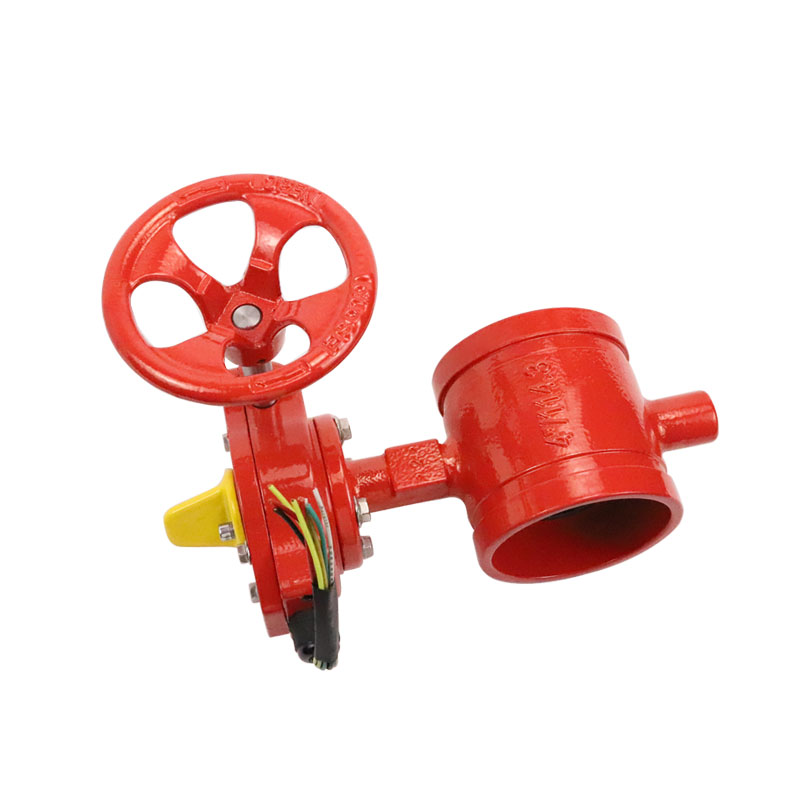
In industrial settings where efficiency and reliability are paramount, grooved butterfly valves stand out for their quick installation. The grooved end connections allow for simple coupling with pipes using nuts and bolts, eliminating the need for welding or threading. This not only cuts down on labor time but also reduces maintenance costs, making them ideal for systems that require frequent modifications or expansions. Workers can swap out valves in minutes without specialized tools, ensuring minimal downtime.
Beyond installation ease, these valves excel in durability and performance. Constructed from robust materials like stainless steel or ductile iron, they resist corrosion and wear in harsh environments, from chemical plants to water treatment facilities. The disc design provides excellent flow control with low pressure drop, and when fully open, it creates minimal obstruction to fluid movement. This translates to energy savings and smoother operations, especially in systems handling large volumes of liquids or gases.
Another key advantage is their versatility and adaptability across diverse applications. Grooved butterfly valves handle a wide range of media, including water, air, and mild chemicals, and come in various sizes and configurations to suit specific needs. Their compact, lightweight build makes them easy to integrate into tight spaces without compromising strength. By combining these features, they offer a reliable, cost-effective solution that enhances system flexibility and long-term performance in industrial workflows.
Step-by-Step Installation and Maintenance Guidelines for Optimal Performance
Getting your new system up and running efficiently starts with careful installation. Begin by reviewing the provided manual to identify all components and tools needed. Unpack everything in a clear workspace, ensuring you have enough room to lay out parts without confusion. Follow the assembly instructions precisely, double-checking each connection and alignment as you go—this attention to detail prevents missteps that could lead to performance hiccups later. Once assembled, power up the system gradually, monitoring initial startup for any unusual sounds or error messages. Don't rush this phase; a smooth installation sets the stage for reliable operation.
To maintain peak performance over time, establish a regular maintenance routine that's easy to stick with. Simple tasks like cleaning dust from vents and checking for loose fittings can have a big impact. Set reminders to inspect key parts every few months, such as lubricating moving components or testing battery levels if applicable. Keep a log of these activities to spot patterns or early signs of wear. By integrating maintenance into your schedule, you'll avoid sudden breakdowns and ensure the system runs smoothly year after year, saving you time and hassle in the long run.
Material Selection and Compatibility for Different Flow Media
Choosing the right materials for components in fluid-handling systems isn't just about durability; it's about ensuring the media flows smoothly and safely without degradation or contamination. For instance, when dealing with aggressive chemicals like acids or solvents, materials such as PTFE (polytetrafluoroethylene) or specialized alloys might be necessary to prevent corrosion and maintain integrity. On the other hand, for water or food-grade applications, stainless steel or FDA-approved plastics are often preferred due to their non-reactive properties and ease of cleaning. This careful matching of materials to media helps avoid costly failures and extends the lifespan of equipment.
Beyond basic resistance, material selection involves considering factors like temperature fluctuations, pressure variations, and potential interactions between the media and system components. For example, in high-temperature steam applications, materials need to withstand thermal expansion without cracking, while in pharmaceutical processes, materials must not leach substances that could compromise product purity. It's a balancing act that requires understanding both the physical properties of materials and the specific demands of each flow scenario, making it crucial to consult compatibility charts and conduct tests when dealing with sensitive media.
In practice, this means going beyond standard recommendations to tailor solutions for unique environments. For example, using elastomers like EPDM might work for water systems, but switching to Viton could be essential for oils or fuels where swelling occurs. By focusing on real-world performance rather than generic guidelines, engineers can optimize systems for efficiency and reliability, ensuring that the flow media—whether it's a delicate biopharmaceutical or abrasive slurry—moves as intended without compromise.
Common Applications and Use Cases in Various Industrial Sectors
Across the industrial landscape, common applications and use cases reveal how technologies and processes are tailored to meet specific sector demands. In manufacturing, for instance, robotics and automation systems streamline assembly lines, boosting efficiency while reducing human error. The energy sector leverages smart grids and predictive analytics to optimize resource distribution and prevent outages, ensuring reliable power supply. Meanwhile, in agriculture, precision farming tools, such as drones and IoT sensors, enable real-time monitoring of crop health and soil conditions, enhancing yields sustainably. Each of these examples illustrates how targeted solutions address unique challenges, driving innovation and productivity across diverse fields.
The adaptability of these applications extends to sectors like healthcare and logistics, where real-world use cases demonstrate tangible benefits. In healthcare, telemedicine platforms and AI-driven diagnostics improve patient access and accuracy, especially in remote areas. Logistics companies employ advanced tracking systems and route optimization software to minimize delivery times and costs, responding dynamically to supply chain disruptions. These practices not only solve immediate problems but also set new standards for operational excellence, showing how cross-industry insights can inspire tailored implementations that resonate with specific needs and goals.
Furthermore, in fields such as construction and retail, common applications foster collaboration and customer engagement. Building information modeling (BIM) in construction facilitates seamless project coordination, reducing delays and waste. Retailers utilize data analytics and personalized marketing tools to enhance shopping experiences and loyalty, adapting quickly to consumer trends. By highlighting these varied use cases, industries can learn from each other's successes, integrating best practices to stay competitive. This ongoing exchange of ideas underscores the importance of versatile, sector-specific applications in driving long-term growth and resilience.
Tips for Enhancing Flow Control Efficiency and Reducing Downtime
Effective flow control is more than just managing processes; it's about anticipating disruptions before they escalate. By implementing predictive maintenance strategies, such as real-time monitoring of equipment and automated alerts for potential failures, businesses can shift from reactive to proactive management. This approach not only streamlines operations but also minimizes unexpected interruptions, keeping your systems running smoothly with minimal manual intervention.
Another key aspect is optimizing workflow design to eliminate bottlenecks. Whether it's in manufacturing lines or data pipelines, regularly reviewing and refining process steps can lead to significant efficiency gains. For instance, introducing parallel processing or automating routine tasks reduces delays and frees up resources, allowing teams to focus on higher-value activities rather than getting bogged down by repetitive issues that cause downtime.
Leveraging technology like IoT sensors and AI-driven analytics can transform flow control by providing deeper insights into system performance. These tools enable continuous improvement through data-driven adjustments, helping identify inefficiencies early and adjust processes on the fly. By embracing such innovations, organizations not only enhance reliability but also build resilience against future disruptions, ensuring sustained productivity without the constant threat of downtime.
FAQ
These valves are primarily used in industrial flow control systems for handling water, chemicals, and other fluids efficiently, with UL and FM certifications ensuring fire safety and reliability in critical applications.
Grooved butterfly valves feature grooved ends that allow for quick and easy installation using couplings, significantly reducing labor time compared to flanged or welded valves, making them ideal for system modifications or repairs.
UL and FM certifications guarantee compliance with safety standards, particularly for fire protection systems, reducing insurance costs and enhancing system reliability by ensuring valves can withstand emergency conditions.
Yes, many models are designed with robust materials like stainless steel or specialized coatings to resist corrosion and manage moderate to high pressures, though specifications should be checked for extreme conditions.
Regular inspections for leaks or wear, lubrication of moving parts if applicable, and occasional cleaning to prevent debris buildup are recommended to maintain efficient flow control and extend valve lifespan.
Their streamlined design minimizes flow resistance, reducing energy consumption in pumping systems, and their precise throttling capability allows for optimized fluid management, cutting operational costs.
They may not be suitable for applications requiring tight shut-off against high differential pressures or for abrasive slurries, which can cause seat wear over time, potentially affecting sealing performance.
Conclusion
The Top UL FM Grooved Butterfly Valve serves as a critical component in modern industrial flow control systems, combining robust design with operational efficiency. Its fundamental design integrates a rotating disc mechanism within a grooved pipeline connection, allowing for precise regulation of fluid movement while maintaining a compact footprint. Key advantages include enhanced durability, reduced leakage risks, and ease of maintenance, making it suitable for high-demand environments like water treatment plants, chemical processing, and HVAC systems. By leveraging groove-end connections, these valves facilitate quicker installation and disassembly compared to traditional threaded or welded alternatives, significantly minimizing downtime during system upgrades or repairs.
Material selection is paramount for optimal performance, with options such as stainless steel, ductile iron, and specialized coatings ensuring compatibility with diverse media, from potable water to corrosive chemicals. Practical guidelines highlight step-by-step installation techniques and routine maintenance practices, such as periodic lubrication and seal inspections, to sustain peak efficiency. Additionally, users can enhance flow control by implementing smart positioning systems and monitoring pressure differentials, which help preempt potential failures. Across sectors like manufacturing, energy, and food processing, these valves contribute to improved safety standards and regulatory compliance, particularly under UL and FM certifications, underscoring their role in advancing sustainable and cost-effective industrial operations.
Contact Us
Contact Person: George
Email: [email protected]
Tel/WhatsApp: 13863633883
Website: https://www.es-fire.com